
Buraydah International Dates Carnival Showcases Saudi Heritage
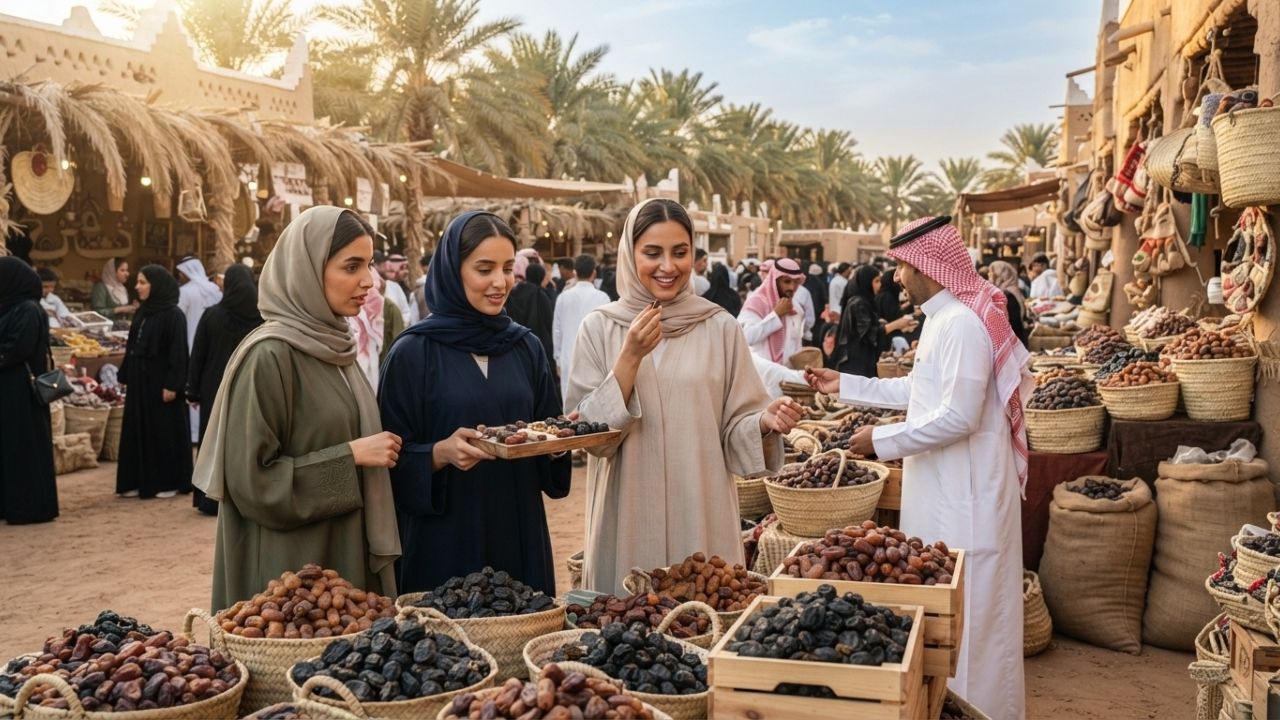
Image generated by AI
Saudi Arabia is inviting international travelers to experience one of the world's largest agricultural celebrations as the Buraydah International Dates Carnival begins in the Qassim region. Running from August 1 to October 14, 2026, with a specialized heritage program from August 20 to September 9, this annual festival turns Date City, located south of Buraydah, into a center for palm cultivation and traditional culinary arts.
Supported by the Ministry of Environment, Water and Agriculture (MEWA) and local tourism development councils, the carnival highlights the historical significance of date palm farming in the Arabian Peninsula. By providing free entry to all markets and cultural exhibits, the event offers a budget-friendly destination for food travelers, cultural heritage enthusiasts, and families seeking an authentic Saudi experience.
The Local Trend: Date City Wholesale Auctions
The heart of the Buraydah Dates Carnival is the wholesale date auction, which takes place daily in Date City during the early morning hours. Starting at 4:30 AM and continuing until 9:00 AM, hundreds of farmers arrive in trucks loaded with baskets of freshly harvested dates, attracting regional buyers, exporters, and tourists.
This morning auction represents an energetic trading environment where buyers bid on premium date varieties through traditional verbal bidding systems. For the international visitor, attending the morning auction provides a first-hand view of the region's agricultural economy, showing the scale of a trade that processes millions of tons of dates annually.
Following the morning trade, the carnival transitions to evening cultural activities, which run from 4:30 PM to 10:30 PM at the King Khalid Cultural Center. These evening programs feature heritage displays, artisanal craft booths, and family entertainment, blending traditional trade with modern leisure tourism.
The Environmental Value of Sustainable Palm Cultivation
For the traveler, the real impact of the Dates Carnival is its connection to sustainable agriculture and resource management in arid climates. Date palms (Phoenix dactylifera) have been cultivated in the Qassim region for thousands of years, playing an essential role in desert ecosystems by providing shade, stabilizing soil, and producing a nutrient-rich crop with minimal water requirements.
Under Saudi Arabia's Vision 2030 development plans, MEWA is promoting sustainable farming practices to protect palm groves from pests like the red palm weevil. The carnival showcases organic farming techniques, drip irrigation systems, and conservation programs designed to protect the region's natural aquifers.
Additionally, the festival highlights circular economy initiatives, demonstrating how palm tree byproducts—such as fronds and wood—are repurposed by local artisans to create traditional baskets, furniture, and building materials, reducing agricultural waste and supporting rural craft industries.
Cultural Value: Date Varieties and Local Culinary Heritage
Dates hold a central place in Saudi hospitality and social traditions, serving as a symbol of welcome and generosity. The Buraydah carnival allows visitors to taste and purchase a wide range of regional date varieties directly from producers:
- Sukkari Dates: Known as the queen of dates, these are Qassim's most famous variety, featuring a golden skin, sweet flavor, and a soft, crystalline texture.
- Khalas Dates: A popular variety with a caramel-like flavor and sticky texture, often served with coffee.
- Barhi Dates: Small, round dates that can be eaten in their yellow, crunchy state (Khalaal) or when fully ripe and soft (Rutab).
- Majdool Dates: Large, sweet, and fibrous dates prized for their rich, dark color and soft texture.
Throughout the carnival grounds, family-run stalls and cottage industries offer traditional Qassim sweets and pastries. Visitors can sample Kleyja, a traditional cardamom-and-cinnamon-spiced pastry filled with date molasses, typically prepared by local women using family recipes. This direct interaction helps support home-based businesses and preserves regional baking traditions.
Supporting Rural Communities and Local Farmers
A key objective of the Buraydah International Dates Carnival is the direct support of Qassim's rural communities. Date farming remains a primary source of income for thousands of families in central Saudi Arabia. By offering a platform where farmers sell directly to consumers without intermediaries, the carnival ensures that the economic benefits of tourism remain within the local agricultural sector.
Additionally, the festival encourages regional travel to Qassim, drawing visitors away from the major urban centers of Riyadh and Jeddah. Travelers exploring Buraydah can visit local historic sites, traditional clay villages, and active farms, contributing to the development of agritourism and rural entrepreneurship. This community-focused model helps balance urban growth with rural heritage preservation, ensuring a sustainable future for Qassim's agricultural heritage.
Traditional Gastronomy: Regional Qassim Cuisine
Exploring the Qassim region offers an opportunity to experience traditional central Arabian cuisine, which focuses on dates, grains, and lamb.
- Kleyja: A hollow, dome-shaped pastry spiced with cardamom, ginger, and black lime, filled with a sweet date molasses syrup and baked in brick ovens until crispy. The pastry is served warm to ensure the syrup inside remains melted and fragrant, representing local home-based baking traditions.
- Saleeg: A creamy rice dish cooked in broth and milk, served with roasted chicken and a spicy tomato-and-chili sauce on the side. The texture is similar to Italian risotto, and the dish is popular during family celebrations in central Saudi Arabia.
- Matazeez: A traditional Najdi dish consisting of small, flat dumplings made from whole wheat flour, stewed with lamb, squash, eggplant, and spices in a tomato broth. The name refers to the sound made when shaping the small dough discs by hand.
- Dates with Gahwa: Fresh Sukkari dates served alongside traditional Arabic coffee brewed with cardamom and saffron, representing the standard gesture of hospitality. The coffee is served in small cups without handles, usually poured by the host using the left hand and accepted by the guest using the right hand.
Visitor Insider Tips: Planning a Visit to Buraydah
To ensure a comfortable and rewarding experience at the Dates Carnival, consider these practical guidelines:
- Morning Attendance: Set an alarm and arrive at Date City by 5:00 AM. This is when the wholesale date auctions are most active, offering the most authentic cultural experience before the midday heat.
- Modest Attire: Respect local customs by dressing modestly. Men should wear long trousers and shirts, while women should wear loose-fitting clothing that covers shoulders and knees.
- Complimentary Parking: Complimentary parking is available at both Date City and the King Khalid Cultural Center, but these areas fill quickly during the morning and evening peaks.
- Packaging and Shipping: If purchasing premium dates to take home, look for packaging booths within the market. Many vendors provide vacuum-sealing and boxing services, and local shipping companies can arrange transport to international destinations.
- Gahwa Acceptance: When offered Gahwa at vendor stalls, accept the cup with your right hand. To signal that you are finished, gently shake the small cup from side to side before handing it back to the host.
Outlook: The Future of Agritourism in Qassim
The Buraydah International Dates Carnival 2026 demonstrates how seasonal agricultural events can drive cultural tourism and support rural economies. By integrating heritage preservation with environmental sustainability and community enterprise, the Qassim region is establishing a successful model for agritourism.
Future growth plans focus on expanding digital marketing, improving visitor infrastructure at Date City, and developing international shipping services for tourists. By protecting its date palm groves and promoting its culinary heritage, Buraydah is ensuring that its traditional farming practices remain a key driver of cultural tourism and economic development.
Related Travel Guides
- Thailand Launches 'Pay Like a Local' Digital Payment System to Eliminate Tourist Cash Exchanges in 2026
- Scientists Demand Antarctica Tourism Cap as Hantavirus Outbreak and Global Energy Crisis Redefine the Frozen Frontier: How Saudi Arabia and UAE Stability Anchors the $1.2 Billion Expedition Market Amid Strait of Hormuz Tensions
- Vietnam Sustainable Travel 2026: Green Ports, Expressways & Cultural Eco-Hubs
Disclaimer
This article is for informational and educational purposes only. It does not constitute legal, financial, or professional advice. While we strive to provide accurate and up-to-date information, travel policies, regulations, and conditions change rapidly. Always verify information with official sources before making travel decisions. Nomad Lawyer makes no representations about the accuracy, reliability, completeness, or suitability of the information provided. Readers should consult qualified professionals for advice specific to their circumstances. The views expressed in this article are those of the author and do not necessarily reflect the views of Nomad Lawyer.