
Brunei Emerges as Premier Cruise Destination Alongside Malaysia, Philippines, Thailand, Vietnam in 2026
Brunei joins Southeast Asia's cruise tourism boom, attracting thousands of global visitors seeking cultural heritage, luxury travel, and immersive experiences across the region's interconnected maritime routes.

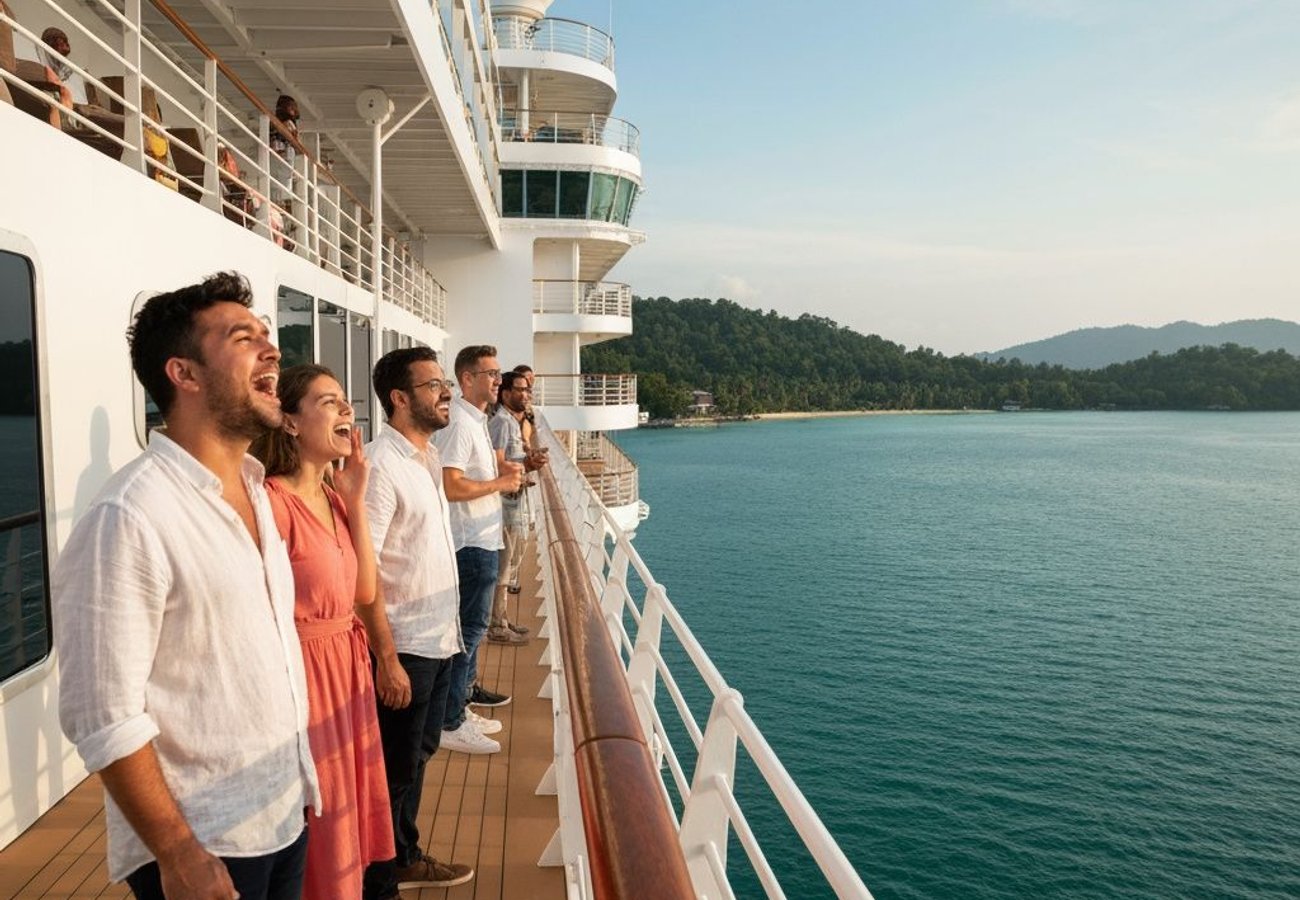
Image generated by AI
The Quiet Sultanate Enters the Global Cruise Spotlight
Brunei Darussalam has quietly but decisively claimed its place among Southeast Asia's hottest cruise destinations. Once overshadowed by regional powerhouses like Malaysia, the Philippines, and Thailand, this serene sultanate now attracts thousands of international cruise passengers who disembark seeking authentic cultural immersion, pristine natural beauty, and world-class heritage experiences.
The transformation is stark. Just years ago, Brunei remained a peripheral port on most cruise itineraries. Today, repeat ship visits and expanding berths signal unmistakable confidence from major international cruise lines. Tourism forecasts point sharply upward, with new arrivals scheduled each season and booking momentum accelerating.
What's driving this surge? Strategic infrastructure investment, welcoming maritime policies, and something rare in crowded Southeast Asian tourism: genuine tranquility paired with rich Islamic heritage and ecological preservation.
Why Brunei Stands Apart in a Crowded Region
The sultanate's appeal lies in stark contrast to busier regional competitors. Where Bangkok pulses with frenetic energy and Manila bustles with urban chaos, Brunei offers contemplative exploration within a compact, immaculately maintained setting.
Cruise passengers consistently flock to:
Istana Nurul Iman, the world's largest residential palace with commanding architecture and profound symbolic significance. This 2,152-room masterpiece dominates shore excursions.
Royal Regalia Museum, a meticulous showcase of Brunei's monarchy, cultural heritage, and national identity spanning centuries of sultanate rule.
Jame' 'Asr Hassanil Bolkiah Mosque, an iconic Islamic monument featuring distinctive golden domes, serene prayer halls, and architectural brilliance.
The nation's ports combine cutting-edge modern infrastructure with seamless access to local communities. Shore excursions feel both logistically effortless and culturally meaningful—a rare combination in mass cruise tourism.
Reddit: "Brunei was unexpected. I thought it would be touristy and commercialized, but it felt genuinely welcoming and preserved. The mosque alone justified the port stop." — r/cruise
The peaceful atmosphere, strong cultural identity, and eco-conscious governance create experiences that contrast sharply with more heavily trafficked regional ports. Travelers increasingly seek destinations that feel authentic rather than manufactured for tourism.
The Broader Southeast Asian Cruise Explosion
Brunei doesn't operate in isolation. Its emergence reflects a transformative wave reshaping entire regional travel patterns. Malaysia, the Philippines, China, Thailand, Cambodia, and Vietnam form an interconnected cruise ecosystem where each destination amplifies the others' appeal.
Cruise lines no longer design simple point-to-point itineraries. They architect complex regional circuits threading multiple countries within 7-14 day voyages, capitalizing on geographic proximity and complementary tourism products.
According to industry analysis of Southeast Asian cruise growth, the region experienced double-digit passenger increases annually through 2025, with projections suggesting continued acceleration.
Malaysia: The Geographic Spine of Regional Cruising
Malaysia functions as the architectural hub anchoring Southeast Asian cruise circuits. Its strategic position astride vital maritime routes makes ports like Kota Kinabalu, Penang, and Langkawi mandatory stops on regional journeys.
Cruise passengers benefit from:
Cultural fusion—Malay, Chinese, Indian, and indigenous influences woven through festivals, architecture, and culinary traditions. Georgetown in Penang carries UNESCO-listed heritage status, attracting history-focused excursionists.
Tropical islands and beaches offering both meditative relaxation and adrenaline-fueled adventure—rock climbing, jungle trekking, diving.
Well-developed multilingual tourism infrastructure including certified guides, organized transport services, and excursion networks refined through decades of tourism exposure.
From Malaysia, cruise itineraries branch organically toward Brunei, Thailand, Vietnam, and South China Sea destinations. Malaysian ports serve as pivotal hubs where passengers transition between regional sub-circuits.
Tourists spend substantial time exploring vibrant night markets, sampling globally acclaimed street food, and traversing Borneo's legendary rainforests—experiences unavailable in competing Asian cruise destinations.
The Philippines: Seven Thousand Islands of Untapped Potential
The Philippines occupies a unique position within regional cruise networks. Its archipelago of over 7,000 islands creates natural advantages no competitor can replicate.
Cruise passengers accessing Philippine ports encounter:
Crystal-clear waters and world-class coral reefs supporting snorkeling and diving experiences rivaling the Caribbean. Palawan consistently ranks among global travelers' most coveted destinations.
Historic Spanish colonial infrastructure, particularly Intramuros in Manila, offering archaeological and architectural depth uncommon in Southeast Asia.
Pristine tropical islands like Boracay celebrating untouched natural beauty, combined with vibrant local island cultures distinct from continental experiences.
Many regional cruise routes now include obligatory Philippines stops because the archipelago anchors unique experiences unavailable elsewhere in Asia. Travelers choose between tranquil beach days, intensive nature expeditions, and cultural immersion in ancient communities.
Brunei passengers frequently extend journeys here to access entirely different island ecosystems, ocean-based adventure opportunities, and biodiversity complementing heritage-focused onshore discovery.
China: The Massive Market Engine
China represents simultaneously the largest outbound tourism market and an increasingly vital base for cruise departures and arrivals. Ports like Hong Kong, Shanghai, and Guangzhou connect Asian cruises with international markets, functioning as both embarkation and disembarkation hubs for major regional sailings.
China's influence on regional cruising infrastructure includes:
Enormous passenger flows—particularly from first-time and repeat cruise travelers seeking international experiences. Chinese travelers represent the fastest-growing cruise demographic globally.
Modern port infrastructure supporting massive vessel capacities and efficient passenger processing. These facilities handle 20,000+ passenger ships with remarkable logistical precision.
Cultural and historical diversity accessible through curated shore excursions, from ancient temples to contemporary urban experiences.
Because of China's immense tourism spending power, Southeast Asian cruise circuits have strategically adapted offerings to appeal specifically to Chinese passengers. This includes tailored shore experiences, Mandarin-language services, and familiar culinary accommodations.
Thailand: The Regional Cultural Epicenter
Thailand remains one of the region's most powerful tourism magnets, with cruise inclusion significantly amplifying regional circuit attractiveness.
Visitors arriving by ship encounter:
Energetic Bangkok culture featuring ornate temples, royal palaces, and chaotic markets pulsing with authentic urban energy. Wat Phra Kaew and the Grand Palace anchor most city-based shore excursions.
Spectacular beach islands including Phuket and Koh Samui offering both relaxation and water-based adventure.
Culinary heritage consistently ranked among the world's most beloved cuisines. Food-focused shore excursions emphasizing cooking classes and market tours draw repeat cruise passengers specifically seeking Thailand returns.
Thai ports efficiently absorb substantial cruise traffic while delivering seamless excursions bridging urban and nature experiences. World-renowned hospitality infrastructure ensures even abbreviated port visits feel substantial and satisfying.
Thailand's vibrant urban offerings perfectly complement quieter destinations like Brunei, providing balanced regional circuits spanning from tranquil cultural reflection to dynamic urban immersion.
Cambodia: Ancient Temples Meet Modern Coastal Tourism
Cambodia increasingly integrates regional cruise circuits, particularly through Sihanoukville ports and organized inland excursions to Angkor.
Key cruise passenger attractions include:
Angkor Wat and the broader Angkor Archaeological Park—one of civilization's most iconic temple complexes rivaling Egypt's pyramids in historical significance.
Tropical beaches and coastal resorts blending relaxation with cultural immersion in Khmer traditions.
Museum experiences and local community engagement offering depth within compact cruise stopovers.
Cambodia's tourism product anchors heavily in ancient civilization and archaeological heritage, offering substantial exploration depth within the time constraints of typical cruise shore visits. Passengers often compress multi-day itineraries into intensive single-port experiences.
Vietnam: The Emerging Jewel
Vietnam rounds out the interconnected Southeast Asian cruise ecosystem, with ports in Ho Chi Minh City, Ha Long Bay, and Da Nang increasingly featured on regional itineraries.
Cruise visitors access:
Ha Long Bay's UNESCO-listed limestone karsts and emerald waters, considered among Earth's most dramatic seascapes.
Historic cultural sites spanning French colonial architecture, Buddhist temples, and war heritage museums.
Acclaimed culinary traditions and local market experiences offering authentic cultural encounters.
Vietnam's geographic positioning and tourism infrastructure development position it as a crucial circuit terminus, often serving as either departure or arrival point for extended Southeast Asian cruise voyages.
The Convergence: Why Regional Cruise Tourism Skyrockets
The explosion in Southeast Asian cruise tourism reflects fundamental travel trend shifts. Passengers no longer accept conventional beach holidays or routine city tours. They demand immersive cultural encounters, natural beauty, historical exploration, and luxury experiences efficiently packaged within well-orchestrated itineraries.
The region's countries satisfy these desires through complementary offerings. Brunei provides serene cultural reflection. Malaysia delivers urban-tropical fusion. The Philippines supplies island adventure. Thailand offers vibrant metropolitan culture. Vietnam presents dramatic natural beauty. Cambodia showcases ancient civilization.
Cruise industry data shows Southeast Asian capacity expansion accelerating through 2026-2027, with major lines deploying larger vessels to regional circuits, signaling institutional confidence in sustained demand growth.
This interconnected approach transforms individual ports into seamless regional experiences. Travelers increasingly select entire circuits rather than isolated destinations, fundamentally reshaping how cruise lines design itineraries and how destinations market themselves.
Brunei's rise signals Southeast Asia's transformation from secondary cruise region to global competitor.
Related Travel Guides
Disclaimer
This article is for informational and educational purposes only. It does not constitute legal, financial, or professional advice. While we strive to provide accurate and up-to-date information, travel policies, regulations, and conditions change rapidly. Always verify information with official sources before making travel decisions. Nomad Lawyer makes no representations about the accuracy, reliability, completeness, or suitability of the information provided. Readers should consult qualified professionals for advice specific to their circumstances. The views expressed in this article are those of the author and do not necessarily reflect the views of Nomad Lawyer.
Kunal K Choudhary
Co-Founder & Contributor
A passionate traveller and tech enthusiast. Kunal contributes to the vision and growth of Nomad Lawyer, bringing fresh perspectives and driving the community forward.
Learn more about our team →