Britain Ignites Global Travel Interest as Screen Tourism Fuels Regional UK Growth


International screen tourism has emerged as one of the most powerful catalysts for the decentralization of the United Kingdom's visitor economy, generating an estimated £376 million in additional international visitor expenditure between January 2025 and June 2026. Unveiled during VisitBritain and VisitEngland’s annual review in Manchester on November 26, 2026, the economic findings demonstrate how the global popularity of British film and high-end television productions—from the Regency elegance of Bridgerton in Bath to the rugged cinematic backdrops of the Scottish Highlands—is successfully converting entertainment consumption into tangible regional economic development, with 58 percent of campaign-generated expenditure flowing directly to destinations outside London.
The performance metrics released by national tourism agency VisitBritain highlight an extraordinary return on investment (ROI) for public promotional funding. For every pound sterling invested in the flagship "Starring GREAT Britain" marketing campaign, the initiative yielded an estimated £18 in additional visitor spending across British accommodation providers, independent retailers, historic estates, and regional transport networks. With the United Kingdom forecasting 44.2 million international arrivals and £33.9 billion in foreign visitor spending across calendar year 2026, screen tourism has evolved from a niche pop-culture phenomenon into a core pillar of national economic strategy as Britain pursues its ambitious target of welcoming 50 million overseas visitors annually by 2030.
By leveraging commercial marketing partnerships across key origin markets—including the United States, Germany, France, and Australia—alongside targeted travel trade missions in India and China that generated £109 million in additional value, VisitBritain is systematically dismantling the traditional geographic concentration of inbound tourism. The initiative demonstrates how entertainment IP can revitalize regional communities, support coastal recovery efforts, and stimulate year-round international demand.
| Strategic Dimension | 2025–2026 Campaign Performance | Benchmark / Comparative Metric | Operational & Economic Significance |
|---|---|---|---|
| Direct Visitor Spend Generated | £376 million (Jan 2025 – Jun 2026) | National "Starring GREAT Britain" campaign | High-yield foreign exchange injection |
| Return on Investment (ROI) | £18 generated per £1 invested | 18:1 economic multiplier ratio | Exceptional capital efficiency for public promotion |
| Regional Expenditure Share | 58% (£290 million) outside London | Historical ~45% regional baseline | Historic decentralization away from the capital |
| Total Additional Spend Pool | £500 million (FY 2025–26 VisitBritain) | Broad agency marketing activities | Comprehensive inbound promotional impact |
| Commercial In-Kind Investment | £14 million secured globally | Partnerships across US, DE, FR, AU | Private-sector co-funding of national branding |
| Travel Trade Mission Value | £109 million in commercial value | Delegations to China, India, and US | Direct contracting for regional UK suppliers |
| Business Events Delegate Spend | £34.5 million (MeetEngland total) | £26.1 million (75.6%) captured outside London | MICE support for non-capital conference hubs |
| 2026 Full-Year UK Inbound Forecast | 44.2 million visits / £33.9B spend | Long-term roadmap to 2030 targets | Pre-pandemic recovery and volume stabilization |
| 2030 Strategic National Ambition | 50.0 million annual visits | Current £147B GDP / 2.4M jobs baseline | Closing the £4.4B annual European growth gap |
The "Starring GREAT Britain" Phenomenon: Economic Impact and 18:1 Multiplier
Launched across primary international originating markets in January 2025, the "Starring GREAT Britain" campaign was conceived to address a long-standing structural challenge in British tourism: the magnetic over-concentration of overseas visitors within Greater London. While the capital remains a premier global metropolis, rural regions, coastal counties, and post-industrial northern cities historically struggled to capture a proportional share of international tourism receipts.
VisitBritain’s research identified that screen content—encompassing cinematic feature films, international streaming series, and literary period dramas—serves as one of the primary subconscious motivators influencing global travel itineraries. Nearly one-third of prospective international visitors surveyed across North America and Western Europe cited locations featured in films or television series as a primary driver of their destination selection.
"Starring GREAT Britain" Financial Trajectory (Jan 2025 – Jun 2026):
Total Direct Additional Visitor Spend:  £376,000,000
Total Campaign Investment Return:      18:1 ROI (£18 generated per £1 invested)
Regional Spend Outside London:         58.0% (£290,000,000 allocated to nations & regions)
London Metropolitan Share:             42.0% (£210,000,000 retained in capital)
The £376 million in additional expenditure logged over the 18-month evaluation window reflects incremental spending—dollars, euros, and yen that would not have entered the British economy without the specific prompt of screen-tourism marketing. By partnering directly with major film studios, streaming platforms, and television production companies, VisitBritain integrated digital location maps, curated self-drive itineraries, and behind-the-scenes travel features into mainstream consumer advertising across key overseas markets.
The resulting 18:1 return on investment represents one of the highest economic performance ratios in the agency’s promotional history. In an era of constrained public-sector budgets, the campaign demonstrated that targeted thematic marketing delivers superior fiscal dividends compared to generic destination advertising.
The Regional Decentralization Triumph: £290 Million Outside London
The most significant strategic achievement detailed in the November 2026 review is the geographical distribution of visitor spending. For decades, tourism analysts observed that out of every £10 spent by overseas visitors in Great Britain, approximately £6 to £7 remained within the Greater London area.
During the 2025–26 financial year, however, VisitBritain’s targeted activities generated an estimated £500 million in total additional visitor expenditure, of which £290 million—precisely 58 percent—was spent in destinations outside London.
VisitBritain FY 2025–26 Additional Visitor Spend Distribution:
┌─────────────────────────────────────────────────────────────┐
│ Total Additional Inbound Expenditure: £500 Million          │
└──────────────────────────────┬──────────────────────────────┘
                               │
               ┌───────────────┴───────────────┐
               ▼                               ▼
┌──────────────────────────────┐ ┌────────────────────────────┐
│ NATIONS & REGIONS (58%)      │ │ GREATER LONDON (42%)       │
│ £290,000,000                 │ │ £210,000,000               │
│ - Independent Rural Hotels   │ │ - Flagship Theatres        │
│ - Regional Rail & Coaches    │ │ - West End Hospitality     │
│ - Historic Castles & Estates │ │ - Iconic Historic Museums  │
│ - Local Artisan Dining       │ │ - Luxury Retail Hubs       │
└──────────────────────────────┘ └────────────────────────────┘
This regional spread provides vital economic stability for communities where tourism serves as the dominant employer. When international travelers leave London to visit filming locations, their expenditure cascades directly into family-operated bed-and-breakfasts, regional rail services, country pubs, local transport operators, and heritage preservation trusts.
Iconic Screen Tourism Corridors Across the Nations
Screen tourism operates as an intuitive geographical dispersal mechanism because film productions deliberately seek out the authentic architecture, dramatic geology, and distinctive landscapes preserved across Britain’s nations and regions:
- Bath and the South West (The Bridgerton Effect): The UNESCO-listed Georgian architecture of Bath, including the Royal Crescent and Holburne Museum, has experienced unprecedented international demand driven by global streaming audiences. Inbound tourists from the United States and Europe routinely book extended stays in Somerset and Wiltshire, exploring nearby filming sites such as Castle Combe and Wilton House.
- The Scottish Highlands and Islands (Cinematic Drama): Scotland’s soaring glens and dramatic lochs have long provided the backdrop for cinematic history. From the Glenfinnan Viaduct (Harry Potter) and Glencoe (James Bond: Skyfall) to the historical landscapes popularized by Outlander, international visitors traveling through the Highlands sustain remote hospitality businesses, regional ferry services, and community-owned heritage centers.
- Northern England and Yorkshire (Industrial and Period Drama): Yorkshire’s grand historic estates, including Castle Howard (Brideshead Revisited, Bridgerton), alongside the rugged moors of West Yorkshire, have drawn steady international cultural tourism. Farther west, Liverpool and Manchester continue to attract international screen travelers visiting locations associated with Peaky Blinders and contemporary historical dramas.
- Wales and Northern Ireland (Fantasy and Coastal Epics): In Wales, dramatic coastal paths and medieval fortresses featured in international fantasy series have stimulated European hiking holidays. In Northern Ireland, the enduring legacy of Game of Thrones continues to draw thousands of global visitors annually to Belfast’s Titanic Studios, the Dark Hedges, and the Causeway Coast.
Global Partnerships: Amplifying Britain’s Reach via Private-Sector Alliances
VisitBritain’s ability to generate £376 million in screen spend and capture regional market share relies on strategic commercial partnerships. Rather than funding overseas media campaigns entirely through government grants, the agency executed a collaborative co-investment model with major international airlines, global online travel agencies (OTAs), and media distribution networks.
VisitBritain International Commercial Leverage (FY 2025–26):
┌─────────────────────────────────────────────────────────────┐
│ 1. MARKETING-IN-KIND CO-INVESTMENT: £14 Million             │
│    - Commercial airline partnerships in US, DE, FR, AU      │
│    - Shared digital marketing banners & streaming pre-rolls │
├─────────────────────────────────────────────────────────────┤
│ 2. TRAVEL TRADE MISSIONS: £109 Million in Contracted Value  │
│    - In-person trade delegations in China, India, and the US│
│    - Connecting 250+ regional UK suppliers with global buyers│
├─────────────────────────────────────────────────────────────┤
│ 3. BUSINESS EVENTS (MeetEngland): £34.5 Million Delegate Spend│
│    - £26.1 Million (75.6%) captured outside London          │
│    - High-yield corporate congresses in Birmingham, Leeds   │
└─────────────────────────────────────────────────────────────┘
Leveraging High-Yield Long-Haul Markets
During the 2025–26 financial year, commercial partnerships in four primary originating markets—the United States, France, Germany, and Australia—secured £14 million in marketing-in-kind investment. Major international airlines co-branded their transcontinental marketing with "Starring GREAT Britain" imagery, encouraging travelers booking flights to London to add open-jaw rail tickets or car rentals to explore the regions.
Simultaneously, VisitBritain re-energized its physical travel trade infrastructure across high-growth long-haul markets. Formal travel trade missions conducted in China, India, and the United States connected hundreds of regional British hotel groups, heritage attractions, and destination management companies (DMCs) with overseas travel advisors. These commercial B2B interactions generated an estimated £109 million in contracted economic value, ensuring that regional itineraries were packaged and sold across international travel agencies well in advance of the 2026 holiday season.
Manchester: The Northern Epicenter of Cultural and Urban Growth
The decision to hold VisitBritain and VisitEngland’s annual review at Manchester’s Science and Industry Museum on November 26, 2026, was deliberately symbolic. Manchester exemplifies how regional British cities can evolve into autonomous international cultural destinations capable of attracting global visitors on their own merits.
Greater Manchester has constructed a comprehensive visitor ecosystem rooted in four distinct cultural assets:
- World-Class Sporting Heritage: Global fan bases for Manchester United and Manchester City generate massive international weekend travel flows, filling city-center hotels and dining corridors during autumn and winter months.
- Musical and Cultural Legacy: As the birthplace of globally influential music movements, Manchester leverages music tourism through major live venues, including Co-op Live, the AO Arena, and independent music trails across the Northern Quarter.
- Industrial Innovation and Museums: Venues such as the Science and Industry Museum and Aviva Studios (the permanent home of Factory International) offer cutting-edge contemporary arts and industrial heritage that appeal to international cultural travelers.
- Civic Investment and the Culture Fund: The Greater Manchester Combined Authority’s £15 million Culture Fund provides targeted financial support to grassroots cultural organizations across all ten metropolitan boroughs, ensuring that tourism growth enriches local neighborhoods rather than straining urban infrastructure.
Manchester Urban Cultural Tourism Ecosystem:
[Global Inbound Arrivals] ──> [Direct Manchester Airport (MAN) Air Links]
                                        │
        ┌───────────────────────────────┼───────────────────────────────┐
        ▼                               ▼                               ▼
[Premier League Football]     [Live Music & Nightlife]       [Arts & Industrial Heritage]
Old Trafford & Etihad         Co-op Live & Northern Quarter  Aviva Studios & Science Museum
        │                               │                               │
        └───────────────────────────────┼───────────────────────────────┘
                                        ▼
                      [£15M Regional Culture Fund Support]
                      (Economic circulation across 10 boroughs)
By investing in clean electric public transportation through the expanding Bee Network and promoting walkable urban corridors, Manchester offers a modern, connected travel experience that rivals major continental European city-break hubs.
Business Tourism: Driving £34.5 Million in Regional Delegate Spend
While leisure travelers dominate summer holiday volumes, international business events, medical congresses, and corporate trade exhibitions represent the economic stabilizer that sustains regional hospitality during off-peak autumn and winter months.
Through its dedicated business tourism unit, MeetEngland, VisitEngland collaborated with municipal convention bureaus across the country to bid for and secure high-profile international conferences during 2025–26. These efforts yielded remarkable regional results:
- Total Business Event Delegate Spend: Generated an estimated £34.5 million in direct delegate expenditure across the financial year.
- Non-London Concentration: Reflecting the broader success of regional decentralization, £26.1 million—or 75.6 percent—of all business delegate spending was captured by destinations outside London.
MeetEngland Business Event Expenditure Share (FY 2025–26):
[========================================================] Regional Destinations: £26.1M (75.6%)
[==================] Greater London: £8.4M (24.4%)
Cities such as Birmingham (NEC), Manchester (Manchester Central), Leeds, Liverpool, and Newcastle successfully hosted international academic, renewable energy, and medical summits. Business travelers represent an exceptionally lucrative demographic: conference delegates spend an average of 2.2 times more per day than conventional leisure tourists, booking upscale lodging, dining at high-end restaurants, and frequently extending their trips over adjacent weekends to explore nearby countryside and heritage sites.
Coastal Revival: The £1.2 Million "All on England’s Coast" Campaign
While international inbound tourism expanded, VisitEngland addressed acute vulnerabilities within the domestic leisure economy during the Manchester review. Despite the post-pandemic enthusiasm for local travel, domestic overnight trips to England’s seaside communities contracted by 18 percent year-on-year in 2026, pressured by rising domestic household living costs, unseasonable summer weather, and intense competition from cheap Mediterranean package flights.
To reverse this downward trend and protect seasonal seaside economies, VisitEngland launched its £1.2 million "All on England’s Coast" campaign in September 2026.
Domestic Coastal Tourism Strategy:
┌─────────────────────────────────────────────────────────────┐
│ CHALLENGE: 18% Year-on-Year Decline in Domestic Coast Trips │
│ - Rising household costs & cheap Mediterranean package deals│
├─────────────────────────────────────────────────────────────┤
│ INTERVENTION: £1.2M "All on England's Coast" Campaign       │
│ - Promoting winter escapes, seafood trails, and wellness    │
│ - Building upon £1.1M pilot success in North West England   │
├─────────────────────────────────────────────────────────────┤
│ ECONOMIC PRIZE: The 10% Domestic Shift Opportunity          │
│ - Redirecting 10% of British overseas holiday spend home    │
│ - Unlocks an £8.0 Billion annual economic windfall for towns│
└─────────────────────────────────────────────────────────────┘
The £8 Billion Domestic Opportunity
The coastal campaign aims to reposition England’s seaside towns from purely summer bucket-and-spade spots into year-round wellness, culinary, and outdoor walking destinations. From the seafood bistros of Northumberland and Cornwall to the creative arts hubs of Margate, Folkestone, and Whitby, the initiative highlights storm-watching getaways, coastal spa retreats, and winter hiking trails along the King Charles III England Coast Path.
VisitEngland’s economic modeling demonstrates the enormous stakes involved: redirecting just 10 percent of the money that British residents currently spend on overseas holidays back into domestic vacations would generate an estimated £8 billion in annual economic benefits for local communities. This capital injection would directly stabilize coastal employment, protect heritage piers, and revitalize historic seaside high streets.
The 2030 Horizon: Navigating European Competition and National Targets
The United Kingdom's tourism industry stands at a transformative crossroads. According to VisitBritain’s latest forecasting models:
- Calendar Year 2026: The UK is projected to welcome 44.2 million international visits, generating £33.9 billion in foreign visitor spending, solidifying the nation's post-pandemic recovery.
- National Economic Contribution: Tourism contributes an estimated £147 billion to national GDP and directly or indirectly supports 2.4 million jobs, making it the third-largest service export sector in the country.
- The Strategic 2030 Ambition: The British government and VisitBritain have established a target of attracting 50 million international visits annually by 2030.
UK Inbound Tourism Progression and 2030 Targets:
2024 Actual Baseline:       39.5 Million Inbound Visits   ====================>
2025 Recorded Trajectory:   42.1 Million Inbound Visits   =======================>
2026 Official Forecast:     44.2 Million Inbound Visits   ========================> [£33.9B Spend]
2030 Strategic Target:      50.0 Million Inbound Visits   =============================> [£40B+ Spend]
Closing the £4.4 Billion European Growth Gap
Despite these robust numbers, VisitBritain issued a frank assessment regarding intensifying continental competition. European destinations—including France, Spain, Italy, and Greece—are investing heavily in rail connectivity, simplified digital border procedures, and aggressive overseas promotions.
VisitBritain’s econometric analysis revealed that if the United Kingdom merely matches the projected tourism growth rate of Western Europe over the next four years, it will generate an additional £4.4 billion annually in foreign exchange by 2030.
Failing to keep pace with continental peers would represent a substantial opportunity cost for the British Treasury. Achieving the 50-million-visitor threshold will require coordinated policy action across multiple sectors:
- Modernizing Border and Visa Systems: Ensuring the newly implemented UK Electronic Travel Authorisation (ETA) operates with minimal friction, providing swift digital approvals and transparent guidance for overseas visitors.
- Upgrading Regional Transport Infrastructure: Accelerating rail electrification, improving direct international rail connectivity through the Channel Tunnel, and expanding inter-regional coach networks to allow international visitors to navigate between rural attractions without requiring private rental cars.
- Sustaining Investment in Culture and Heritage: Protecting capital funding for regional museums, historic monuments, and national parks, ensuring that the authentic locations international audiences fall in love with on screen remain pristine and accessible.
- Year-Round Destination Marketing: Continuously developing seasonal culinary, literary, and winter light festivals that motivate international travelers to visit during off-peak months, permanently evening out the summer visitor bulge.
Britain’s performance through late 2026 proves that when cultural storytelling, strategic public-private investment, and regional civic pride converge, tourism becomes a transformative instrument of economic rebalancing, delivering lasting prosperity to communities across the entire nation.
Frequently Asked Questions
What is VisitBritain's "Starring GREAT Britain" campaign?
"Starring GREAT Britain" is a flagship international marketing campaign launched by VisitBritain in January 2025. It leverages the global popularity of British film and television productions to inspire international audiences to visit the real-world filming locations, historic castles, picturesque villages, and vibrant cities across the United Kingdom.
How much visitor spending has the screen tourism campaign generated?
Between January 2025 and June 2026, the "Starring GREAT Britain" campaign generated an estimated £376 million in additional international visitor expenditure, providing an extraordinary return on investment of £18 in visitor spend for every £1 invested by the national tourism agency.
What proportion of tourism spending was captured outside London?
During the 2025–26 financial year, 58 percent of the additional visitor expenditure generated by VisitBritain’s promotional activities—totaling £290 million out of £500 million—was captured by destinations outside Greater London, demonstrating substantial progress in decentralizing tourism across the nations and regions.
What are some of the most popular screen tourism destinations in the UK?
Key locations include Bath in Somerset (celebrated for its Georgian architecture in Bridgerton), the Scottish Highlands and Glencoe (James Bond: Skyfall, Outlander, and Harry Potter), Castle Howard in Yorkshire (Brideshead Revisited), Liverpool and Manchester (Peaky Blinders), and the Causeway Coast in Northern Ireland (Game of Thrones).
What is the full-year international tourism forecast for the UK in 2026?
VisitBritain forecasts that the United Kingdom will welcome 44.2 million international visits in 2026, with inbound travelers expected to spend £33.9 billion, representing strong volume stabilization and solidifying the country’s status as a top global travel destination.
What is the UK's long-term tourism target for 2030?
The British government and VisitBritain have set a national strategic target to attract 50 million international visitor trips annually by 2030. Achieving this volume would expand the sector’s current £147 billion annual contribution to the national economy and support hundreds of thousands of new regional jobs.
What was the economic value of VisitBritain's international commercial partnerships?
During the 2025–26 financial year, commercial co-marketing partnerships with airlines and travel providers across the United States, Germany, France, and Australia secured £14 million in marketing-in-kind investment. In addition, B2B travel trade missions in China, India, and the US generated an estimated £109 million in contracted commercial value.
How does business tourism support the UK's regional economy?
Through MeetEngland, business events and conferences supported during 2025–26 generated £34.5 million in delegate expenditure, with £26.1 million (75.6 percent) directed to regional destinations outside London, providing vital revenue for hotels, conference halls, and restaurants during mid-week and off-peak months.
Why did VisitEngland launch the "All on England’s Coast" campaign?
Following an 18 percent year-on-year drop in domestic overnight trips to English seaside destinations, VisitEngland launched the £1.2 million campaign in September 2026 to encourage domestic seaside holidays throughout the winter and into 2027. The initiative emphasizes coastal walks, wellness retreats, and culinary seafood trails.
What is the potential benefit of shifting overseas spending to domestic holidays?
VisitEngland estimates that redirecting just 10 percent of the expenditure currently spent by British citizens on overseas holidays back into domestic UK travel would inject an estimated £8 billion annually into local communities, offering vital support to rural and coastal economies.
Related Travel Guides
- Belarus Renews Visa Waiver for 38 European States Across Land and Air - Learn about the extended European visa-free program, border crossing rules, and travel advisories.
- Cayman Islands Considers New Electronic Travel Authorisation in Border Overhaul - Examine how biometric eGates and advance digital screening are reshaping Caribbean border processing.
- Canada Records 16.7% Surge in US Visitor Trips as Autumn Growth Extends - Explore how cross-border road travel, aviation expansion, and currency dynamics propelled Canadian inbound travel.
- Canada’s Adventure Tourism Faces Insurance Risks as Parks Canada Cuts Staff - Understand how proposed federal spending reductions and search-and-rescue adjustments impact backcountry tour operators.
This article is for informational purposes. Flight routes, passenger regulations, visa rules, and transit advisories are subject to change by airlines and aviation authorities. Readers are advised to verify schedules and travel documentation with relevant carriers and border agencies before departure.
Related Stories

Mainland China, Russia and Others Drive Hong Kong’s Tourism Surge as Arrivals Climb by 12%
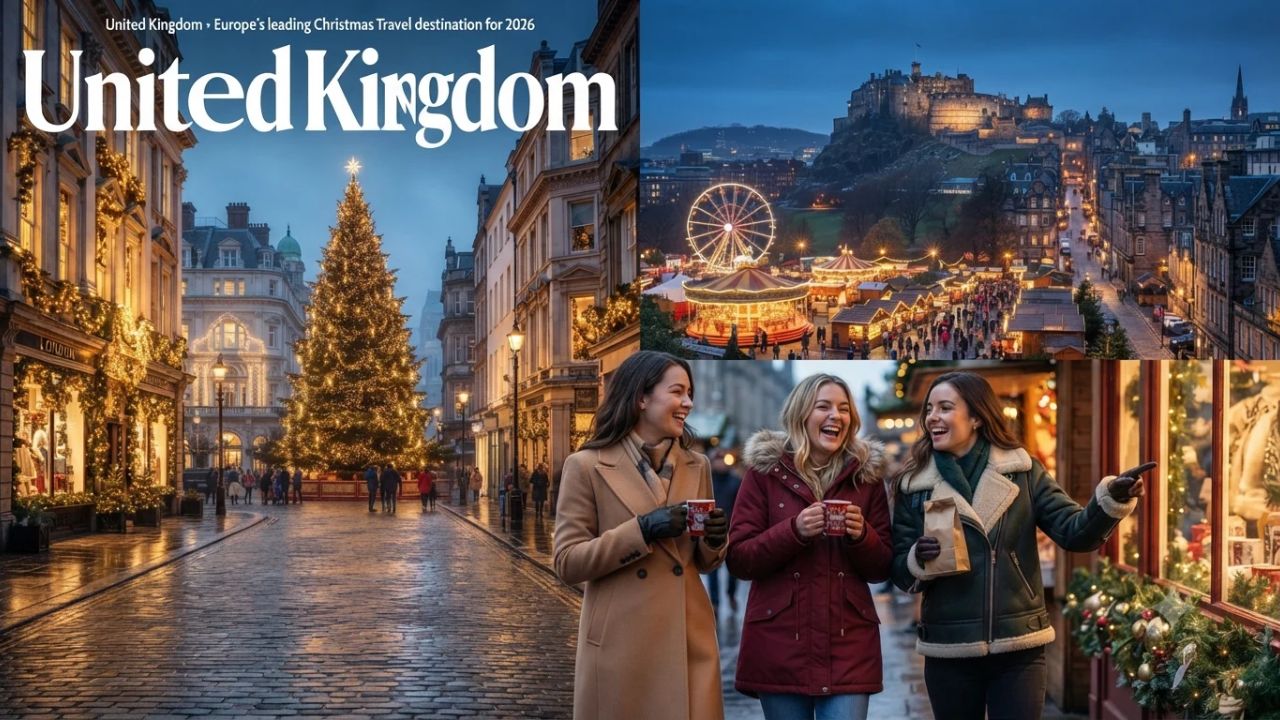
United Kingdom Leads Europe's Christmas Tourism Rankings with Popular Winter Destinations