
Brevard North Carolina Experiences Eco Tourism Boom as Travelers Visit Land of Waterfalls
Brevard, North Carolina is experiencing an outdoor travel boom as visitors seek nature-based getaways across Transylvania County's 250 waterfalls.

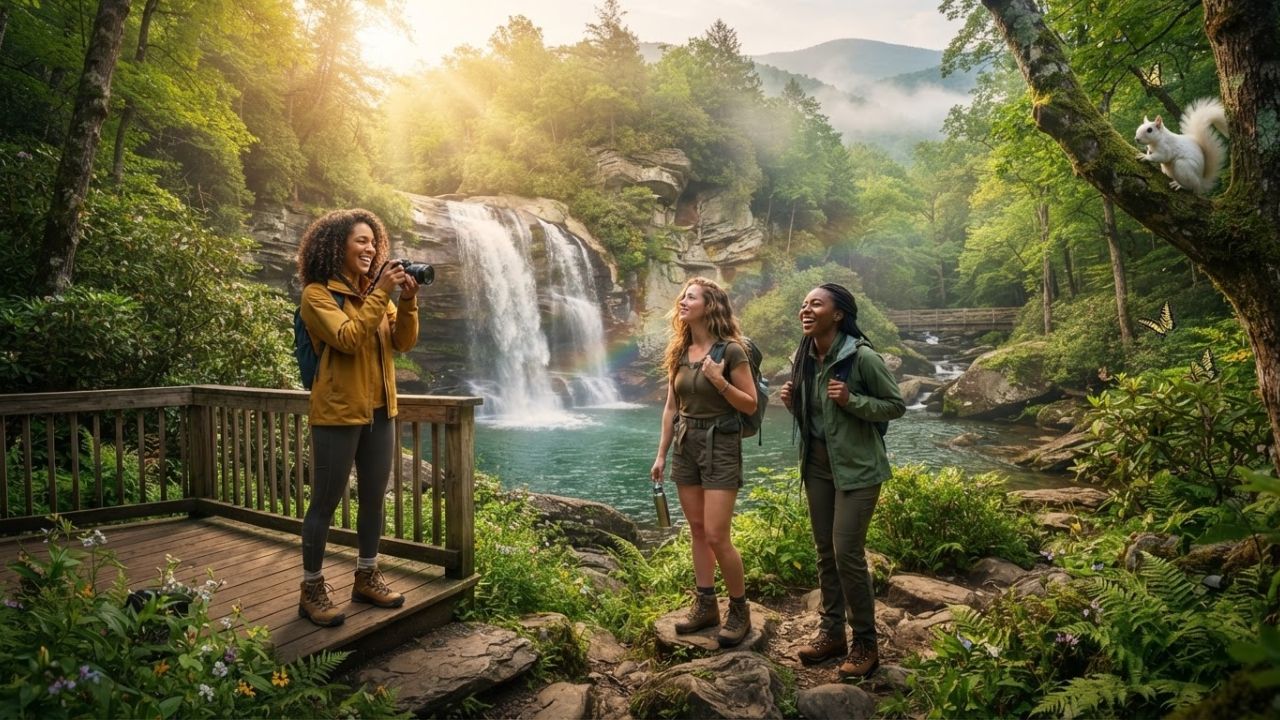
Image generated by AI
Brevard North Carolina Experiences Eco Tourism Boom as Travelers Visit Land of Waterfalls
SEO Title: Brevard North Carolina Waterfalls Eco Tourism Boom 2026 Meta Description: Brevard, North Carolina is experiencing an outdoor travel boom as visitors seek nature-based getaways across Transylvania County's 250 waterfalls. Slug: /brevard-north-carolina-waterfalls-eco-tourism-boom-2026 Standfirst: Brevard, North Carolina is experiencing an explosive eco-tourism boom as travelers exchange traditional coastal destinations for mountain wilderness getaways. Located in Transylvania County, the region contains a high concentration of more than 250 waterfalls, driving massive spending into local businesses.
Article
[Brevard, July 10, 2026] — The town of Brevard is recording historic visitor numbers as wellness-focused travelers prioritize outdoor recreation. Positioned in the Blue Ridge Mountains, the area lies adjacent to the Pisgah National Forest and Gorges State Park. This geographic placement has earned the county the trademarked title of the Land of Waterfalls.
Federal and state forestry databases indicate that tourist arrivals have peaked during the current summer season. The shift reflects a growing consumer demand for clean air and wilderness hikes. Local boutique hotels and outdoor rental businesses report high occupancy rates.
The diversity of the terrain allows travelers of varying physical abilities to access the waterfalls. Looking Glass Falls, a 60-foot cascade along Highway 276, features wheelchair-accessible viewing decks. This roadside accessibility makes it one of the most popular sights for families and casual tourists.
For adventure-seeking travelers, DuPont State Recreational Forest offers access to Sliding Rock. This 60-foot natural granite water slide deposits swimmers into a cold plunge pool. However, high visitor volumes have caused severe parking shortages at major trailheads, prompting rangers to advise arriving before sunrise.
Local tourism officials report that the agritourism and outdoor recreation sectors are driving the regional economy. Rather than taking passive tours, modern travelers are booking guided backcountry hikes and wilderness photography classes. This trend encourages tourists to stay longer in the county.
Industry observers note that conservation efforts directly support this business growth. Local councils are investing in trail maintenance to protect ecosystems while facilitating sustainable visitor flows. The region also maintains a protected population of rare white squirrels, which has become a key marketing point.
Data Table
Key Waterfalls and Outdoor Sites in Transylvania County
| Site Name | Primary Park / Forest | Key Tourism Feature | Accessibility Rating |
|---|---|---|---|
| Looking Glass Falls | Pisgah National Forest | 60-foot drop visible from Hwy 276 | Wheelchair-accessible viewing deck |
| Sliding Rock | DuPont State Forest | 60-foot natural granite water slide | Moderate hike, active swimming pool |
| Gorges State Park | State Parks System | Remote hiking trails & campsites | Remote, rugged terrain for backpackers |
Key Takeaways
- Waterfall Density: Transylvania County contains over 250 waterfalls, earning it the trademarked name "Land of Waterfalls."
- Economic Boost: Direct traveler spend is driving growth in guided excursions, bike shops, and boutique hotels.
- Trail Congestion: DuPont Forest and Pisgah National Forest are experiencing parking shortages during peak times.
- Conservation Priority: Local authorities emphasize that protecting natural resources is the primary economic driver.
Why This Matters
Our analysis of the regional travel data indicates that Brevard's eco-tourism boom is a direct result of traveler fatigue with crowded, commercialized coastal resorts. As summer temperatures rise and beach destinations experience severe overcrowding, high-altitude mountain reserves offer a cooler, more sustainable alternative. For Transylvania County, this influx of wellness-focused tourists shifts the economic foundation away from seasonal manufacturing toward year-round agritourism. The high density of 250 waterfalls allows the local government to distribute visitor traffic across multiple state parks, reducing the ecological footprint on any single site. This model demonstrates that protecting natural assets can yield higher economic returns than heavy commercial development, provided that trailhead infrastructure is upgraded to manage peak parking demands.
Industry Outlook
Market trends suggest that mountain-based eco-tourism will continue to grow as hybrid workers seek weekend nature retreats. The U.S. Forest Service and North Carolina State Parks will likely implement reservation systems for high-traffic trailheads in the future. Travelers are advised to check real-time safety portals for weather alerts and trail closures before visiting.
FAQ
Why is Brevard called the Land of Waterfalls?
Brevard and the surrounding Transylvania County contain more than 250 waterfalls within a concentrated mountainous region.
Can you swim at Sliding Rock?
Yes, Sliding Rock is a natural 60-foot granite slide where visitors can slide down into a pool of mountain water.
What is the rare local wildlife feature in Brevard?
The town of Brevard is famous for its protected population of rare white squirrels, which roam local parks and wooded areas.
Related Travel Guides
- Wisconsin Counties Collaborate to Expand Wine Tourism and Rural Travel Networks Across Three AVAs
- Santa Fe Claims Top Spot in Annual U.S. Travel Rankings as Smaller Cultural Destinations Outperform New York City
- Micro Vacations Redefine United States Tourism Market as Short Duration Travel Gains Massive Traction
- Americans Redirect Summer Travel from Middle East to Safer Alternatives in the Americas Amid Regional Geopolitical Tensions
Disclaimer
This article is for informational and educational purposes only. It does not constitute legal, financial, or professional advice. While we strive to provide accurate and up-to-date information, travel policies, regulations, and conditions change rapidly. Always verify information with official sources before making travel decisions. Nomad Lawyer makes no representations about the accuracy, reliability, completeness, or suitability of the information provided. Readers should consult qualified professionals for advice specific to their circumstances. The views expressed in this article are those of the author and do not necessarily reflect the views of Nomad Lawyer.
Preeti Gunjan
Contributor & Community Manager
A passionate traveller and community builder. Preeti helps grow the Nomad Lawyer community, fostering engagement and bringing the reader experience to life.
Learn more about our team →