Brazil Tourism Soars as UK Visitors Hit Decade High: Complete Regional and Cultural Travel Guide 2026

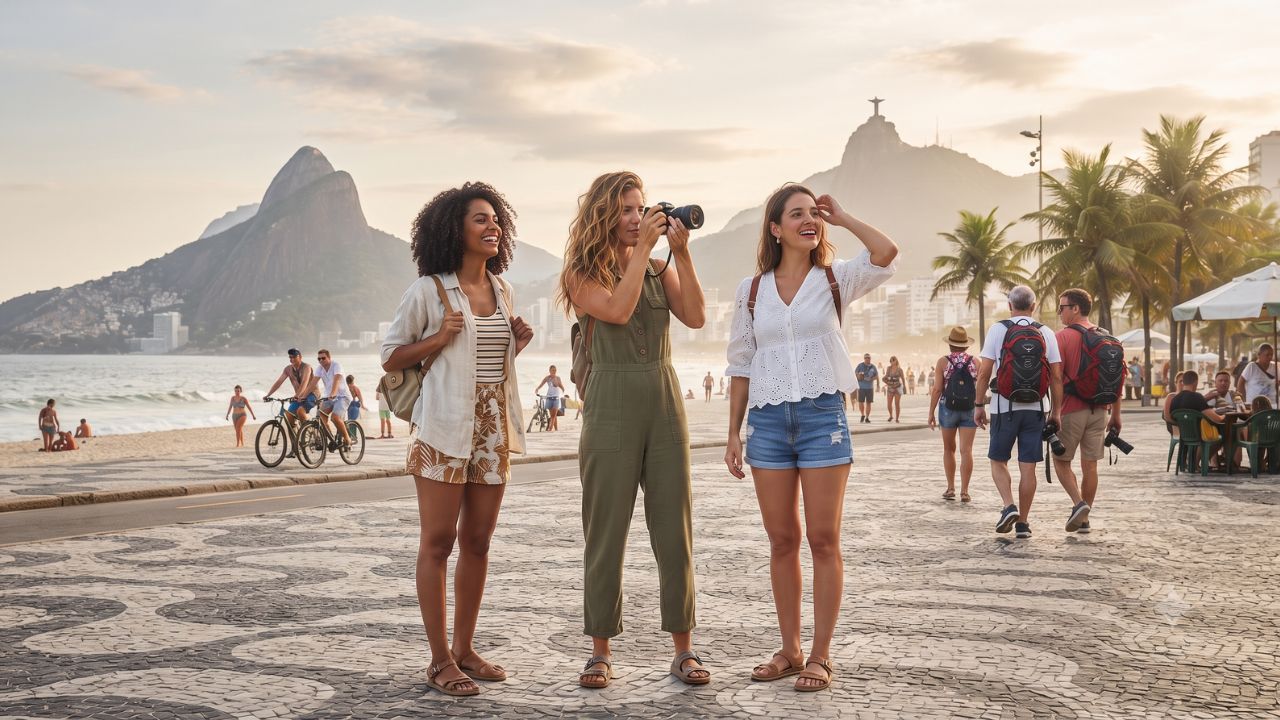
Covering an area larger than the contiguous United States, Brazil is experiencing its highest influx of British travelers in over a decade, with visitors increasingly bypassing standard single-city breaks to book multi-week expeditions across five distinct climatic zones. Official tourism monitors from Visit Brasil (Embratur) indicate that improved nonstop air links between London Heathrow and primary hubs in São Paulo and Rio de Janeiro have sparked an unprecedented revival in long-haul British demand, spanning Amazonian river expeditions, Afro-Brazilian culinary circuits in Bahia, and wildlife safaris across the Pantanal wetlands.
This resurgence marks a permanent evolution away from traditional sun-and-sand package tourism. Modern travelers are seeking deeper cultural connections, choosing eco-certified jungle lodges, colonial rail journeys through Minas Gerais, and tri-border adventure trekking in Foz do Iguaçu over generic resort stays.
The Regional Expansion: Beyond the Traditional Rio–São Paulo Axis
While São Paulo–Guarulhos (GRU) and Rio de Janeiro–Galeão (GIG) remain the primary international arrival gateways, international passenger distribution is dispersing rapidly into Brazil's northern and northeastern states:
- Rio de Janeiro and the South: The Cidade Maravilhosa continues to serve as the visual icon of Brazilian tourism. Travelers combine visits to Christ the Redeemer atop Corcovado Mountain and cable car ascents up Sugarloaf Mountain with urban rainforest hikes in Tijuca National Park and sunset gatherings along Ipanema and Copacabana beaches.
- São Paulo Cultural Hub: Beyond its status as South America's financial capital, São Paulo attracts cultural enthusiasts through world-class gastronomy in Jardins and Liberdade, avant-garde contemporary art at MASP (Museum of Art of São Paulo), and seamless domestic flight connections across 50 regional airports.
- Northeast Cultural Heartland: Salvador in Bahia anchors Afro-Brazilian heritage with its vibrant Pelourinho historic center, capoeira circles, and acarajé street cuisine. Further north, Recife and Olinda offer Dutch colonial architecture and coastal reefs, Fortaleza serves as a windsurfing and adventure center, Natal features coastal sand buggy routes, and Maranhão captivates travelers with the surreal rainwater lagoons of Lençóis Maranhenses National Park.
- The Amazon Basin via Manaus: Riverboat expeditions departing Manaus along the Rio Negro and Rio Solimões allow travelers to witness the "Meeting of the Waters," stay in community-run canopy eco-lodges, and learn sustainable forest stewardship from riverine caboclo communities.
- Foz do Iguaçu Tri-Border Wonder: Spanning the border intersection of Brazil, Argentina, and Paraguay, the 275 distinct cascades of Iguaçu Falls provide one of the planet's most thunderous natural displays, protected under the UNESCO World Heritage Centre.
What Makes Brazilian Regional Travel Culturally Unique
Traveling through Brazil offers an encounter with one of the most culturally diverse and geographically varied nations on earth.
In Bahia, the cultural atmosphere is defined by centuries of African heritage preserved in the rhythms of Olodum drumming, Candomblé spiritual traditions, and fragrant palm oil (dendê) stews known as moqueca baiana. Walking through the pastel-painted colonial plazas of Salvador feels entirely distinct from the alpine European architecture found in the southern highlands of Gramado and Canela in Rio Grande do Sul.
In the Pantanal—the world's largest tropical wetland ecosystem managed in part by the Chico Mendes Institute for Biodiversity Conservation (ICMBio)—wildlife watching rivals the Serengeti. During the dry season, visitors can observe wild jaguars prowling along the Cuiabá River banks, giant river otters, capybaras, and thousands of hyacinth macaws in uncrowded, pristine floodplains.
In the historic interior state of Minas Gerais, 18th-century gold-rush mountain towns like Ouro Preto, Mariana, and Tiradentes preserve baroque stone churches designed by master sculptor Aleijadinho, surrounded by rolling green hills and traditional wood-fired country kitchens.
Visitor Insider Tips for Navigating Brazil
Exploring a country of continental dimensions requires practical planning and sharp local awareness:
- Master the Domestic Air Pass / Multi-City Booking: Never book individual single domestic flights separately between distant states. Use multi-city search tools on carriers like LATAM, Gol, or Azul to link São Paulo, Salvador, Manaus, and Iguaçu on a single ticket, avoiding inflated last-minute regional fare spikes.
- Rio Beach Etiquette and Safety: On Rio's beaches, understand the local posto (lifeguard tower) system: Posto 9 in Ipanema attracts artists and cultural crowds, Posto 10 is popular with volleyball players, and Arpoador is famous for sunset clapping. Never take passports, expensive jewelry, or large amounts of cash onto the sand; keep small change and a digital payment card in a waterproof wrist pouch.
- Yellow Fever Vaccination: If your itinerary includes Manaus, the Amazon basin, the Pantanal, or rural areas of Minas Gerais and Bahia, ensure you receive an authorized Yellow Fever vaccination at least 10 days before departure and carry your International Certificate of Vaccination.
- Navigating Payments via Pix and Contactless Cards: International Visa and Mastercard credit cards with contactless chip technology are accepted almost everywhere in Brazilian cities, from beach kiosk coconut vendors to luxury restaurants. However, carry small cash notes (reais) for rural boat transfers and local craft cooperatives.
- Timing the Iguaçu Falls Visit: View the falls from the Brazilian national park side in the morning when the sunlight creates vivid rainbows across the Devil's Throat (Garganta do Diabo), and allocate a second full day to explore the extensive upper and lower catwalks on the Argentine side.
Cultural and Environmental Context: Sustainable Tourism in Fragile Biomes
With international visitor numbers climbing to ten-year highs, Brazil faces the ongoing challenge of balancing economic growth with biome conservation. Fragile ecosystems like the Amazon rainforest and the Atlantic Forest (Mata Atlântica) require responsible visitor stewardship to prevent habitat degradation and wildlife disruption.
Community-based ecotourism projects are proving to be powerful economic alternatives to deforestation. In the Amazon and Pantanal, private ranches and indigenous territories are converting cattle pasture into private natural heritage reserves (RPPN), hiring local youth as specialized wildlife trackers and naturalist guides.
By staying at certified eco-lodges, buying directly from indigenous artisanal cooperatives, and choosing low-impact river excursions, international travelers directly finance the preservation of the world's most vital carbon sinks and biodiversity reservoirs.
FAQ: Visiting Brazil 2026
What is the best time of year to visit Brazil?
Because Brazil spans multiple climate zones, May to October is ideal for the Pantanal and Amazon (dry season), while December to March offers prime beach weather in Rio and the Northeast.
Do British and European citizens need a visa to enter Brazil?
British and European Union passport holders can enter Brazil visa-free for tourism stays of up to 90 days, provided their passport has at least six months of remaining validity.
How do I travel between Rio de Janeiro and Foz do Iguaçu?
Direct commercial flights connect Rio de Janeiro (GIG/SDU) and Foz do Iguaçu (IGU) in approximately two hours, operated daily by major domestic airlines.
Is it safe to visit the Amazon as an independent traveler?
Yes. Guided tours and reputable eco-lodges departing from Manaus provide secure transport, expert local naturalists, and comfortable accommodations in the rainforest.
From the emerald canopy of the Amazon to the sun-drenched sands of Ipanema, Brazil invites travelers into an unforgettable world of culture and natural wonder.
Related Travel Guides
This article is for informational purposes. Flight routes, passenger regulations, visa rules, and transit advisories are subject to change by airlines and aviation authorities. Readers are advised to verify schedules and travel documentation with relevant carriers and border agencies before departure.
Related Stories
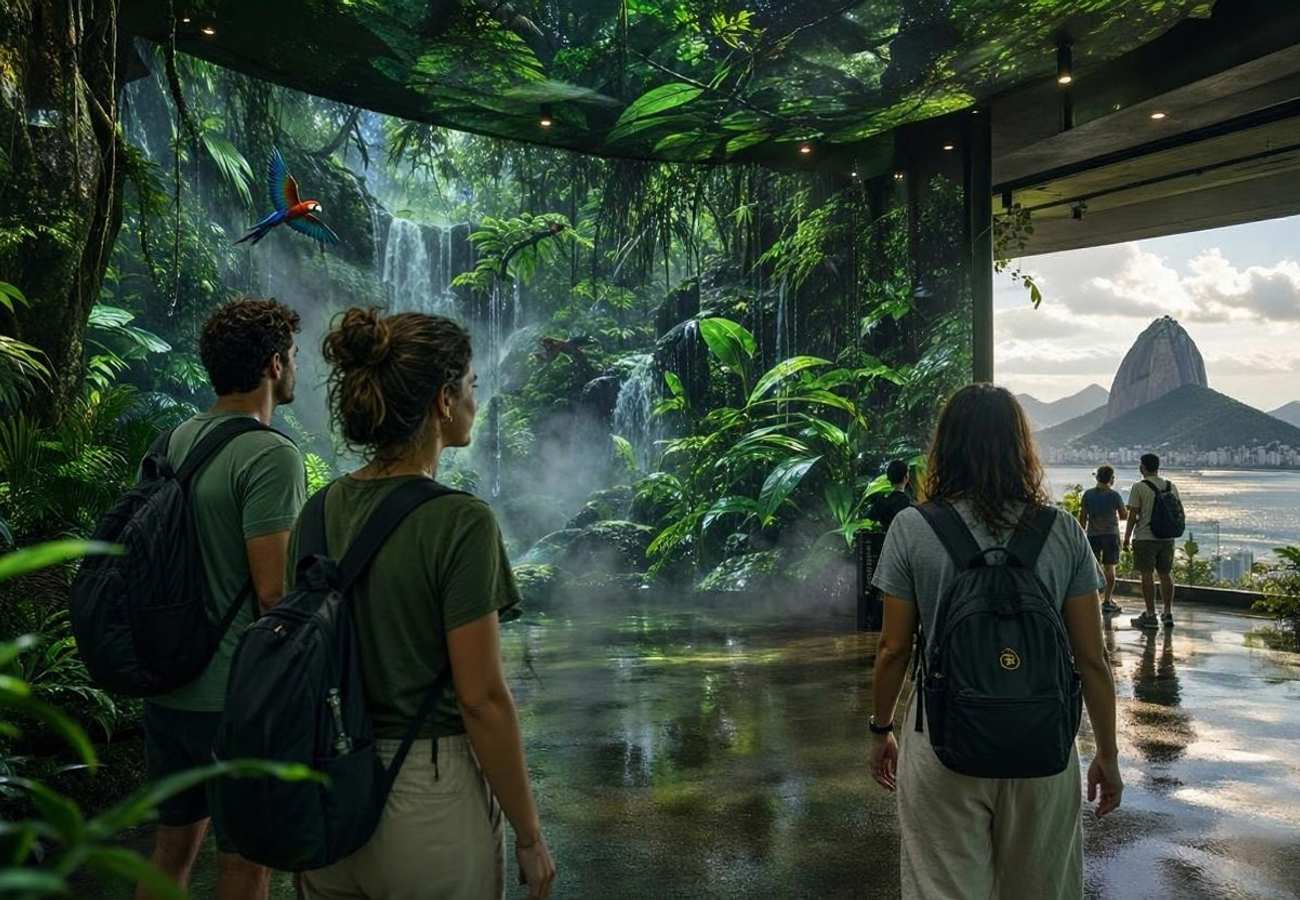
Brazil Launches Terra Viva Immersive Rainforest Experience at Rio's Sugarloaf Mountain in 2026

Brazil Tourism Revenue Hits Record USD 8.3 Billion in First Nine Months of 2026