
Brazil Dental Tourism Growth 2026: Curitiba, São Paulo and Rio Lead Global Healthcare Hubs
Brazil's dental infrastructure is expanding rapidly in 2026, with São Paulo, Rio de Janeiro, and Curitiba emerging as premier global destinations for advanced restorative and cosmetic dentistry.

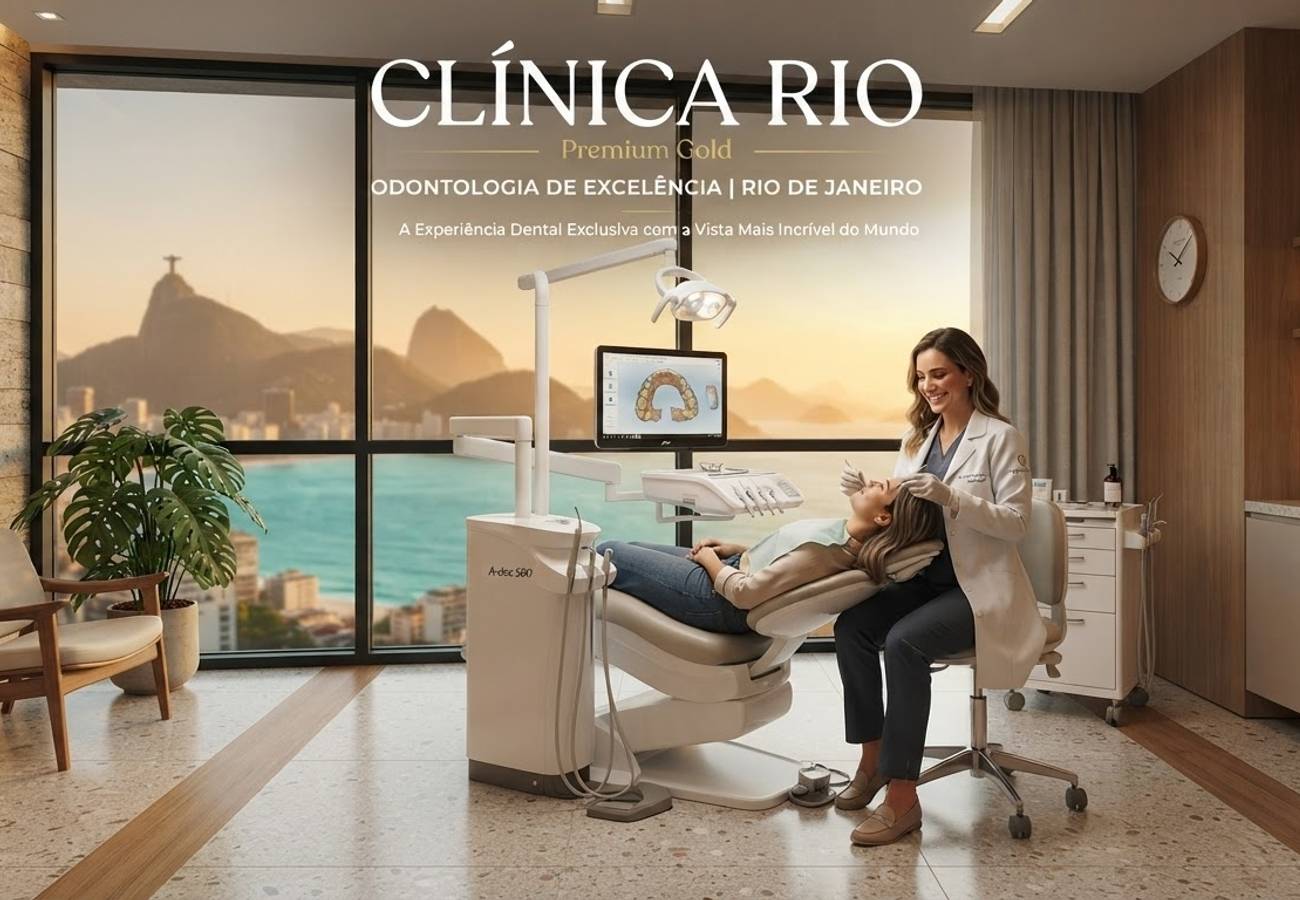
Image generated by AI
Brazil is consolidating its position as a global leader in dental travel, blending high-capacity medical infrastructure with world-class tourism. In 2026, cities like Curitiba and São Paulo are redefining the patient experience by integrating seamless international travel with advanced clinical protocols.
The shift toward Brazil as a primary dental destination is driven by a strategic combination of internationally connected airports, a massive pool of registered specialists, and the rise of "dental-tourism protocols" designed specifically for foreign nationals. While traditional hubs like São Paulo and Rio de Janeiro continue to dominate, secondary cities such as Florianópolis and Recife are capturing market share by offering "treatment-plus-leisure" packages.
Patient demands have evolved beyond simple cost-savings. Modern dental travelers now prioritize transparent treatment planning, personalized care pathways, and the ability to recover in high-value tourism environments. This evolution is pushing Brazilian clinics to adopt digital dentistry and condensed treatment schedules to accommodate shorter international visits.
Strategic Analysis of Brazil's Dental Hubs
The distribution of dental capacity across Brazil is heavily concentrated in the south and southeast, though the northeast is showing significant growth. São Paulo remains the undisputed leader in sheer volume, but Curitiba has become a strategic favorite for European patients following the launch of direct flights to Lisbon on July 2, 2026.
For the international patient, the choice of city often depends on the complexity of the procedure versus the desired leisure experience. Those requiring full-mouth rehabilitation typically gravitate toward the massive infrastructure of São Paulo, while those seeking cosmetic veneers or whitening often pair their treatment with the coastal appeal of Rio de Janeiro or Florianópolis.
Comparative Dental Infrastructure and Accessibility (2026 Data)
The following data outlines the capacity and accessibility of Brazil's primary dental tourism destinations.
| City | Primary Appeal | Dental Capacity Indicator* | Key Treatments | International Access | Tourism Value | Best Suited For | Primary Limitation |
|---|---|---|---|---|---|---|---|
| São Paulo | Max specialist choice & private infrastructure | SP State: 124,932 dentists; 26,894 entities | Implants, full-mouth rehab, veneers, oral surgery | Excellent (Guarulhos: 9.44M passengers Jan-May 2026) | Avenida Paulista, Ibirapuera Park, museums | Complex reconstructions & advanced private care | Higher cost of living/transport; varying English levels |
| Rio de Janeiro | Integration of leisure and health tourism | RJ State: 40,950 dentists; 7,533 entities | Cosmetic dentistry, smile rehab, prosthodontics | Excellent (Galeão hub; 6.4M tourists H1 2026) | Copacabana, Ipanema, Christ the Redeemer | Combining treatment with high-end leisure | Post-op recovery conflicts with beach activities |
| Curitiba | Efficient urban environment & EU access | Paraná: 28,242 dentists; 6,377 entities | Digital dentistry, implants, prostheses, veneers | High (Direct Curitiba–Lisbon service started July 2, 2026) | Botanical Garden, Oscar Niemeyer Museum | Specialist care in a manageable city | Fewer nonstop flights than SP or Rio |
| Florianópolis | Treatment-plus-beach destination | Santa Catarina: 19,495 dentists; 5,132 entities | Cosmetic dentistry, oral rehab, implants | High (Airport: 1.22M passengers Jan-May 2026) | Lagoa da Conceição, coastal scenery | South American travelers & beach seekers | Invasive treatments limit adventure itineraries |
| Belo Horizonte | High specialist supply, low congestion | Minas Gerais: 58,191 dentists; 13,083 entities | Porcelain veneers, implants, oral surgery | Moderate (Confins: 2.55M passengers Jan-May 2026) | Pampulha, historic towns of Minas Gerais | Patients avoiding tourist crowds | Lower international marketing visibility |
| Recife | Hub for Brazilian expats & NE tourism | Pernambuco: 15,942 dentists; 2,670 entities | Laser procedures, implants, crowns, veneers | High (Airport: 2.13M passengers Jan-May 2026) | Recife Antigo, Boa Viagem, coastal sites | Brazilian expats & Northeastern holiday-goers | Smaller international ecosystem than SP |
| Salvador | Cultural tourism and premium care | Bahia: 23,650 dentists; 5,068 entities | Oral rehab, implants, orthodontics | High (Airport: 1.77M passengers Jan-May 2026) | Pelourinho, Atlantic beaches | Cultural tourists seeking private care | Emerging market; less organized tourism packages |
| Porto Alegre | Southern Cone healthcare center | Rio Grande do Sul: 23,861 dentists; 5,186 entities | Implantology, prosthodontics, rehab | High (Airport: 1.61M passengers Jan-May 2026) | Historic centre, Serra Gaúcha | South American visitors | Less evidence of dedicated international sectors |
*Capacity indicators refer to the total pool of registered dentists and entities within the respective state.
Key Takeaways for Dental Travelers
- Infrastructure Dominance: São Paulo offers the highest concentration of specialists and the most robust international gateway via Guarulhos Airport.
- European Connectivity: The new direct flight between Curitiba and Lisbon (est. July 2026) has significantly lowered the barrier for European patients.
- Regional Specialization: While São Paulo handles complex rehabilitations, coastal cities like Florianópolis and Rio are optimizing for cosmetic and aesthetic "vacation dentistry."
- Capacity Trends: Minas Gerais (Belo Horizonte) holds the second-largest pool of dentists, representing a significant untapped opportunity for those seeking high-quality care away from major tourist hubs.
Frequently Asked Questions
Which Brazilian city is best for complex dental reconstruction? São Paulo is the most suitable due to its 124,932 registered dentists and the highest density of specialized private clinics.
How has international access improved for dental tourists in 2026? Significant improvements include the direct Curitiba–Lisbon route and high passenger volumes at major hubs like Guarulhos (9.44 million in early 2026) and Galeão.
Are there specific services for foreign patients? Yes, many clinics in Curitiba, Recife, and São Paulo now utilize dedicated dental-tourism protocols, including pre-travel planning and condensed treatment schedules.
Brazil continues to bridge the gap between medical excellence and tourism hospitality, making it a top-tier choice for global oral health.
Related Travel Guides
Disclaimer
This article is for informational and educational purposes only. It does not constitute legal, financial, or professional advice. While we strive to provide accurate and up-to-date information, travel policies, regulations, and conditions change rapidly. Always verify information with official sources before making travel decisions. Nomad Lawyer makes no representations about the accuracy, reliability, completeness, or suitability of the information provided. Readers should consult qualified professionals for advice specific to their circumstances. The views expressed in this article are those of the author and do not necessarily reflect the views of Nomad Lawyer.
Preeti Gunjan
Contributor & Community Manager
A passionate traveller and community builder. Preeti helps grow the Nomad Lawyer community, fostering engagement and bringing the reader experience to life.
Learn more about our team →