
Urgent Bolivia Travel Warning as US Issues 'Extreme Caution' Alert for La Paz and Chapare Amid Rising Crime and Political Unrest: How Global Energy Crisis and Strait of Hormuz Tensions are Escalating South American Travel Risks
The US State Department has issued an 'Extreme Caution' travel warning for Bolivia, highlighting significant risks in La Paz and the Chapare region as narcotrafficking and political unrest threaten to disrupt international travel.

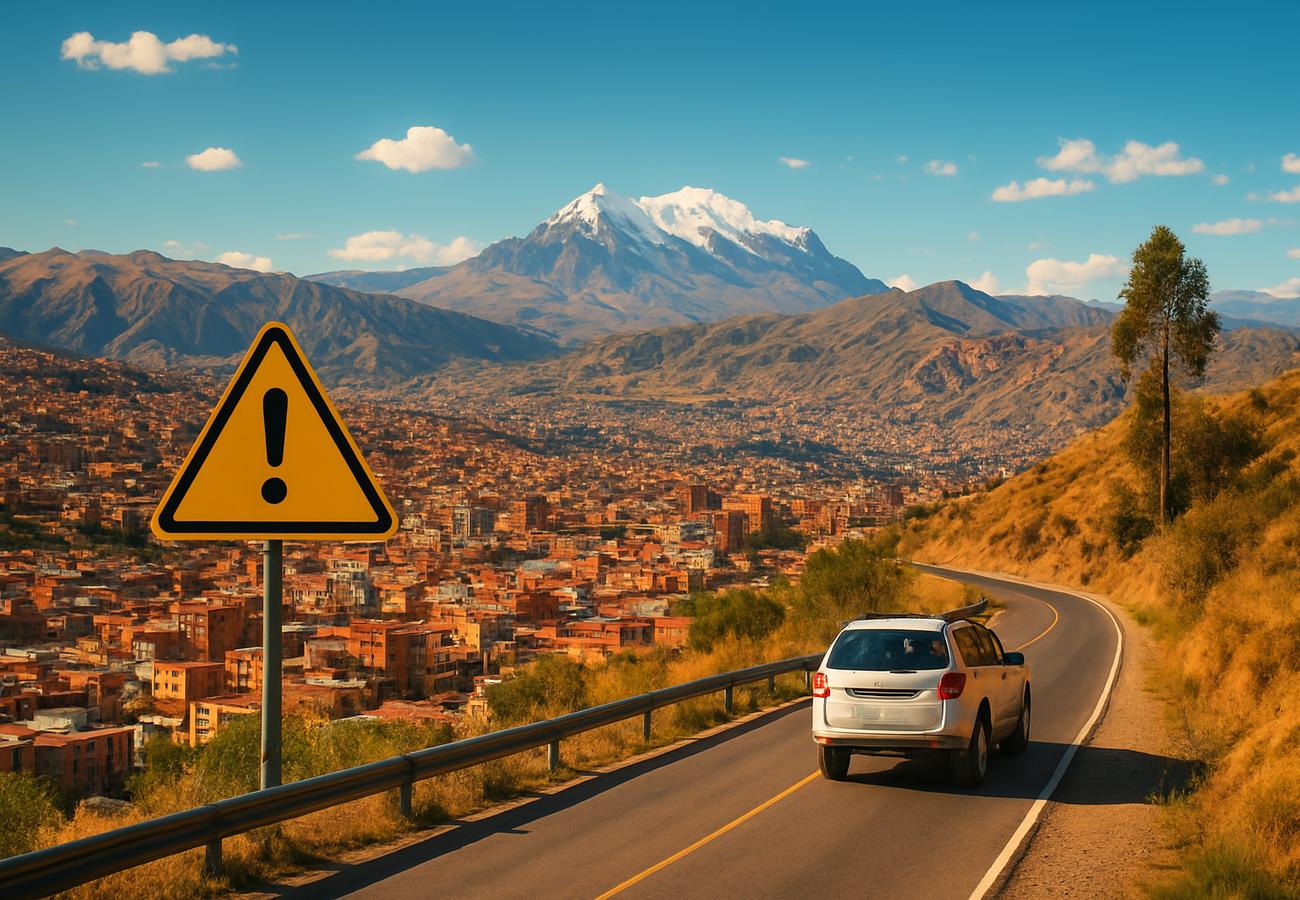
Image generated by AI
Quick Summary
- Urgent Advisory: The US Department of State has upgraded its Bolivia travel warning to "Extreme Caution," citing a surge in violent crime and political instability.
- High-Risk Zones: Travelers are urged to avoid the Chapare region entirely due to narcotrafficking violence; La Paz and El Alto are also cited for rising petty and violent crime.
- Infrastructure Threat: Political protests and road blockages frequently disrupt transit to major sites like the Uyuni Salt Flats and the Andes Mountains.
- Energy Overhead: The global energy crisis has inflated the cost of domestic travel, while high oil prices contribute to the economic dissatisfaction fueling local riots.
- Geopolitical Friction: Tensions in the Strait of Hormuz and the US-Iran conflict have created a "high-volatility" environment where emergency evacuation logistics are increasingly strained.
- Aviation Risk: Flight cancellations and airport disruptions are possible with little notice if demonstrations seize key transit hubs like El Alto International.
- Source: US Department of State Bureau of Consular Affairs Emergency Update, May 7, 2026.
LA PAZ — International travelers are being issued a dire warning to reconsider their movements across the heart of the Andes. According to breaking reports released on May 7, 2026, the US Department of State has implemented an "Extreme Caution" travel alert for Bolivia, signaling a sharp deterioration in the security landscape. This development is being analyzed by senior global affairs journalists as a symptom of the broader travel chaos era, occurring precisely as Strait of Hormuz tensions and a severe global energy crisis drive oil prices to record highs and inflame the economic grievances that trigger mass political unrest across South America.
Expanded Overview: A Nation Caught in Narcotrafficking and Economic Strife
The updated advisory highlights a marked rise in violent crime, much of it tied to illegal narcotrafficking activities in the Chapare province—a known hotspot for organized crime and drug production. US personnel are currently restricted from traveling to the region without special permission, underscoring the lethal nature of the current environment. However, the risk is not confined to remote provinces; major urban centers such as La Paz and El Alto have seen a surge in muggings, robberies, and assaults, making the once-stable cultural hubs increasingly volatile for foreign visitors.
Geopolitical Context: Navigating the Strait of Hormuz and Global Volatility
The broader geopolitical landscape in 2026 has been dominated by the standoff in the Strait of Hormuz. As Saudi Arabia, the UAE, and Qatar work to stabilize global trade, the resulting energy volatility has hit land-locked nations like Bolivia particularly hard. The US-Iran conflict has further redirected international attention, leaving regional security frameworks in the Andes stretched thin. For travelers, this means that the "safety net" for emergency evacuations is increasingly fragile, as aviation logistics are deprioritized in favor of military and essential supply movements.
Global Energy Impact: Why Economic Protests are Grounding Tourism
Rising oil prices have fundamentally redrawn the travel map for 2026.
- The Cost of Unrest: In Bolivia, economic dissatisfaction driven by high fuel costs has manifested as frequent road blockages and riots that can turn unpredictable and dangerous in minutes.
- Aviation Disruption: Protesters have previously targeted infrastructure, and the risk of flight cancellations at El Alto or Viru Viru International remains high if demonstrations escalate to seize fuel depots or runways.
Shipping and Trade Impact: The Supply Chain Burden on Peace
The ongoing shipping disruption in global maritime routes has made the procurement of essential goods more expensive in Bolivia.
- Inflationary Riots: As the cost of living spikes, the frequency of political demonstrations in La Paz has tripled, disrupting transportation and public services for tourists.
- Traveler Caution: The US State Department advises travelers to avoid large gatherings and protests, as these events are often the catalyst for sudden airport disruptions and the suspension of domestic tour routes.
Regional Impact: Navigating Cultural Treasures Under Shadow
Despite the risks, Bolivia’s cultural allure remains a powerful draw.
- The Andean Gateway: Destinations like the UNESCO-listed city of Sucre and the historic silver mines of Potosí still offer high-quality experiences, provided travelers exercise "extreme vigilance."
- The Salt Flat Sanctuary: Access to the Uyuni Salt Flats—one of the world's most breathtaking natural landscapes—is currently subject to the "fluid" political landscape, with travelers advised to maintain up-to-date travel insurance and stay connected with the US Embassy.
Industry / Expert Analysis: Why This Warning Matters Globally
Travel security and aviation analysts at Travel And Tour World suggest that the Bolivia alert is a "red flag" for the wider Andean region. In an era where the global energy crisis makes every trip an investment, the threat of being trapped behind a road blockade or facing a violent assault is scaring away the high-end tourists needed to sustain the local economy. The "Extreme Caution" status is a quantifiable risk that suggests travelers should prioritize "safety-first" itineraries and travel with verified guides in all remote or volatile regions.
What Happens Next: Embassy Support and Evacuation Outlook
Following the May 7 advisory, several key developments are anticipated:
- Increased Monitoring: The US Embassy in La Paz will provide real-time updates on protest locations and airport disruptions via official digital channels.
- Infrastructure Security: Bolivian authorities may increase the military presence at key tourist hubs to prevent a total collapse of the regional tourism sector.
- Aviation Alerts: Travelers are urged to sign up for travel alerts and verify rebooking restrictions as flight cancellations become more frequent due to logistical bottlenecks.
Conclusion: Reinforcing the Global Risk and South American Resilience
The "Extreme Caution" warning for Bolivia is a testament to the power of global volatility in a world of shipping disruptions and oil price volatility. By failing to isolate its tourism sector from the headwinds of the global energy crisis and the geopolitical fallout of the Strait of Hormuz, the nation is facing a challenging era for international growth. As the world watches the Andes, the message for travelers is clear: immerse yourself in the culture, but prioritize your safety above all else in this unpredictable landscape.
Key Takeaways: Bolivia Travel Alert 2026
- Status: US State Department "Extreme Caution" advisory.
- Hotspots: Chapare (Narcotrafficking), La Paz, and El Alto (Crime/Unrest).
- Risks: Violent crime, political riots, and road blockages.
- Drivers: High energy costs, shipping disruptions, and the US-Iran conflict.
- Aviation: Potential for flight cancellations and airport disruptions.
- Strategy: Keep a low profile, travel with guides, and stay connected with the US Embassy.
Related Travel Alerts
Disclaimer
This article is for informational and educational purposes only. It does not constitute legal, financial, or professional advice. While we strive to provide accurate and up-to-date information, travel policies, regulations, and conditions change rapidly. Always verify information with official sources before making travel decisions. Nomad Lawyer makes no representations about the accuracy, reliability, completeness, or suitability of the information provided. Readers should consult qualified professionals for advice specific to their circumstances. The views expressed in this article are those of the author and do not necessarily reflect the views of Nomad Lawyer.
Kunal K Choudhary
Co-Founder & Contributor
A passionate traveller and tech enthusiast. Kunal contributes to the vision and growth of Nomad Lawyer, bringing fresh perspectives and driving the community forward.
Learn more about our team →