
US Issues Level 2 Security Travel Advisories for Bolivia and Ecuador
The U.S. Department of State urges travelers to exercise increased caution in Bolivia and Ecuador due to crime, civil unrest, and security concerns in H2 2026.

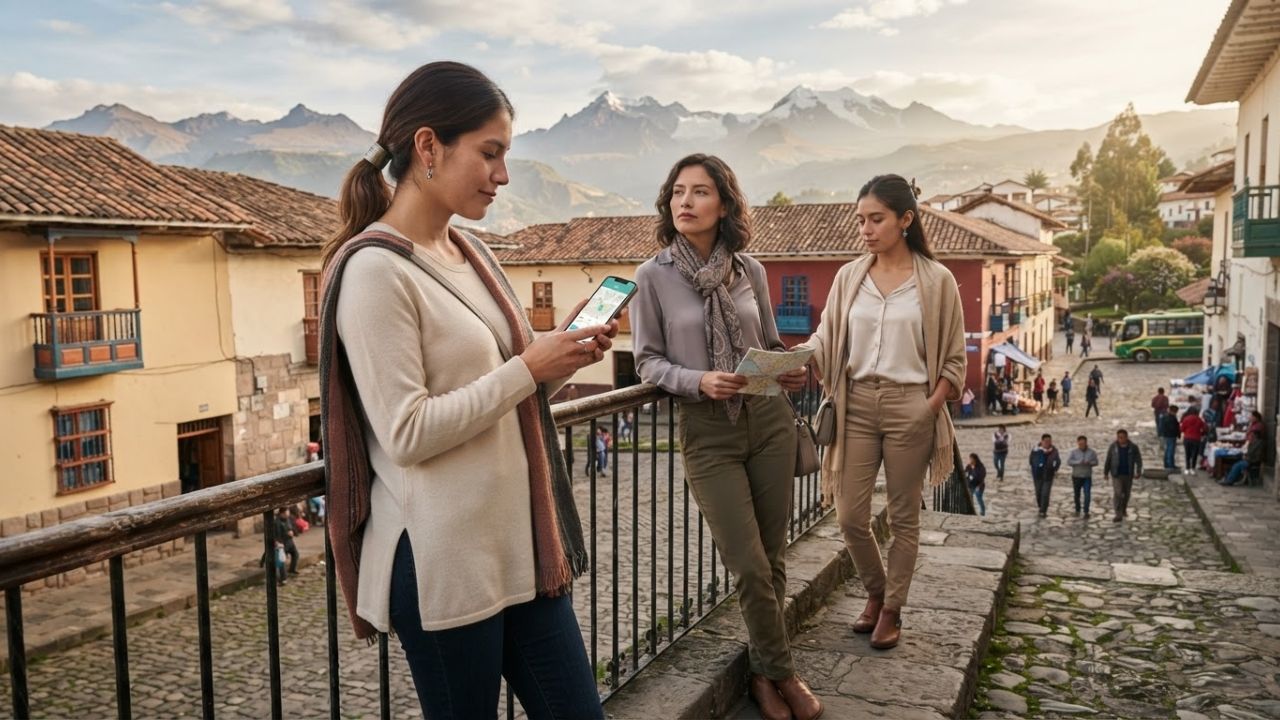
Image generated by AI
The U.S. Department of State has updated its Travel Advisories for Bolivia and Ecuador, classifying both popular South American destinations under Level 2 security watches in H2 2026. The department urges American citizens to exercise increased caution due to rising rates of violent crime, civil unrest, and regional safety challenges.
The travel market in South America is observing a significant realignment, with travelers prioritizing safety evaluations and regional security indicators. The U.S. Department of State regularly assesses safety conditions across international destinations to provide safety updates for American citizens traveling overseas. These reviews focus on public safety risks, health access, political environments, and local emergency response capacities. Under the latest updates, Bolivia and Ecuador are categorized under Level 2, indicating that while travel is not banned, visitors should exercise increased caution and maintain awareness of local conditions. Although both nations remain open to international visitors and continue to support travel infrastructure, these updated notices help travelers identify areas of elevated risk and prepare safety measures before departure.
For the traveler, the real impact of these security updates is the necessity of careful destination research and early planning. By studying regional advisories and coordinating with certified local travel guides, tourists can experience South America's diverse cultural and natural attractions safely.
South American Travel Advisories and Security Levels
The U.S. travel warning system utilizes a four-level classification structure designed to clarify safety conditions for travelers:
- Advisory Classification: A Level 2 warning, titled "Exercise Increased Caution," represents the second stage of the safety framework, recommending heightened awareness compared to Level 1.
- Safety Precautions: This classification does not prohibit visits, but signals that regional challenges exist and travelers should implement stronger safety measures.
- Evaluating Local Risks: Warning levels can vary within a country, meaning specific provinces or border zones may carry more severe advisories than the national rating.
- Monitoring Conditions: The department advises visitors to monitor local media, avoid demonstration areas, and register travel plans with regional embassies.
Understanding these advisory levels helps travelers make informed decisions based on current security data.
U.S. Travel Advisory Framework
| Advisory Level | Meaning | Travel Guidance |
|---|---|---|
| Level 1 | Exercise Normal Precautions | Travelers should follow standard safety practices |
| Level 2 | Exercise Increased Caution | Visitors should be aware of higher risks, including crime or unrest |
| Level 3 | Reconsider Travel | Travelers should carefully evaluate whether their trip is necessary |
| Level 4 | Do Not Travel | Severe risks may make travel unsafe |
Security Conditions and Travel Guidance in Bolivia
Bolivia remains under a Level 2 travel advisory due to crime risks, health-related challenges, and social instability:
- Natural and Cultural Attractions: The country remains a key destination for adventure travel, home to the high-altitude salt flats of Salar de Uyuni, historic colonial cities, and dramatic Andean scenery.
- Crime Precautions: Travelers are advised to remain cautious in crowded markets, secure personal belongings, and avoid displaying valuable electronics in urban areas.
- Civil Disturbances: Public protests, road blockades, and political demonstrations can occur, potentially disrupting overland transportation and access to specific regions.
- Regional Warning Variances: Certain remote border areas and high-altitude mining regions may carry stricter warnings, requiring travelers to check local guidelines before transit. Furthermore, local tourism associations recommend that visitors register with the Smart Traveler Enrollment Program (STEP) to receive ongoing security updates. The Bolivian police force has increased its presence in key tourist zones, including the Copacabana region along Lake Titicaca, to deter opportunistic crime. Travelers are encouraged to utilize licensed tour agencies that offer private transportation and bilingual guides when exploring remote areas. This added level of safety support helps travelers avoid logistics challenges, while contributing directly to local employment in the tourism sector.
By staying updated on local developments, visitors can explore Bolivia's natural scenery responsibly.
Security Challenges and Ecotourism in Ecuador
Ecuador faces safety challenges linked to organized crime activity, public unrest, and security risks in specific sectors:
- Tourism Infrastructure: Major tourist destinations—including the Galápagos Islands, Quito's historic center, the Amazon rainforest, and the Andes mountains—remain fully accessible to international visitors.
- Urban Safety Measures: Authorities advise caution in large cities where criminal networks operate. Travelers should avoid isolated neighborhoods and use registered transport services.
- Kidnapping and Crime Risks: The advisory notes elevated risks of violent crime and kidnapping in specific border provinces, which carry higher warning levels than the national Level 2 classification.
- Emergency Contact Planning: Visitors should maintain emergency contacts, secure appropriate travel insurance, and monitor safety alerts from the Ecuadorian Ministry of Tourism.
These safety alerts do not stop travel to Ecuador but emphasize the value of responsible planning.
Ecotourism and Community Support in South America
Sustaining the delicate environments of South American reserves and supporting gateway communities requires travelers to practice low-impact travel habits and support local economies. For the traveler, the real impact of safety-focused travel is the opportunity to choose community-owned eco-lodges. By staying at indigenous-run lodges in Ecuador's Napo province or hiring certified regional guides for high-altitude Andean climbs in Bolivia, visitors support community independence and obtain real-time, local safety guidance.
Travelers can support local economies by buying hand-woven alpaca products directly from rural weavers in local markets, dining at family-run diners, and using certified local transportation providers. This spending ensures that tourism revenue remains within the gateway communities, supporting family livelihoods. Respecting environmental guidelines in the Galápagos Islands by keeping a two-meter distance from wild animals and staying on marked trail boardwalks prevents soil erosion and wildlife disruption. Furthermore, carrying reusable water bottles and avoiding single-use plastics helps protect fragile mountain and island biomes from waste contamination.
Destination Specialist Local Insider Tips
To help you explore Bolivia and Ecuador safely and comfortably, regional specialists suggest the following tips:
- Pre-Book Authorized Transport: Always coordinate hotel shuttles or registered taxi services before arriving at airports in La Paz, Quito, and Guayaquil.
- Savor Salteñas and Locro de Papa: Experience regional gastronomy. Try savory baked Salteñas in Bolivia, or comforting potato and cheese Locro de Papa in Quito.
- Explore Sucre and Mindo Cloud Forest: Visit under-the-radar, lower-risk spots like the quiet colonial city of Sucre in Bolivia or the cloud forests of Mindo in Ecuador.
- Respect Indigenous Photography Etiquette: Always ask for permission before taking photographs of indigenous Cholitas in traditional attire in Bolivia.
- Visit the Galápagos in Transition Months: Plan your trip during the shoulder months of May and November for calm seas, mild weather, and active wildlife viewing with fewer tourists.
Long-Term Outlook for South American Ecotourism
The long-term outlook for South American travel, regional security cooperation, and sustainable tourism remains positive, supported by investments in visitor safety corridors, improved coordination with foreign embassies, and local conservation initiatives. By balancing travel growth with community safety, destinations are working to build resilient tourism models.
As global interest in nature travel and cultural heritage continues to expand in 2026, cooperation between the ministries of tourism, park directorates, and regional business councils will remain essential. This balanced approach protects delicate natural biomes, supports local families, and ensures that the region's historic landmarks remain clean, safe, and welcoming for future generations of global travelers.
Related Travel Guides
Disclaimer
This article is for informational and educational purposes only. It does not constitute legal, financial, or professional advice. While we strive to provide accurate and up-to-date information, travel policies, regulations, and conditions change rapidly. Always verify information with official sources before making travel decisions. Nomad Lawyer makes no representations about the accuracy, reliability, completeness, or suitability of the information provided. Readers should consult qualified professionals for advice specific to their circumstances. The views expressed in this article are those of the author and do not necessarily reflect the views of Nomad Lawyer.
Preeti Gunjan
Contributor & Community Manager
A passionate traveller and community builder. Preeti helps grow the Nomad Lawyer community, fostering engagement and bringing the reader experience to life.
Learn more about our team →