
Boeing Airlines Zealand: Ultra-Long-Haul Routes Reveal Hidden Operational Costs
Boeing 787 and Airbus A350 aircraft are fueling an ultra-long-haul expansion in 2026, but airlines remain silent on operational challenges these extended routes create for crew fatigue and maintenance.

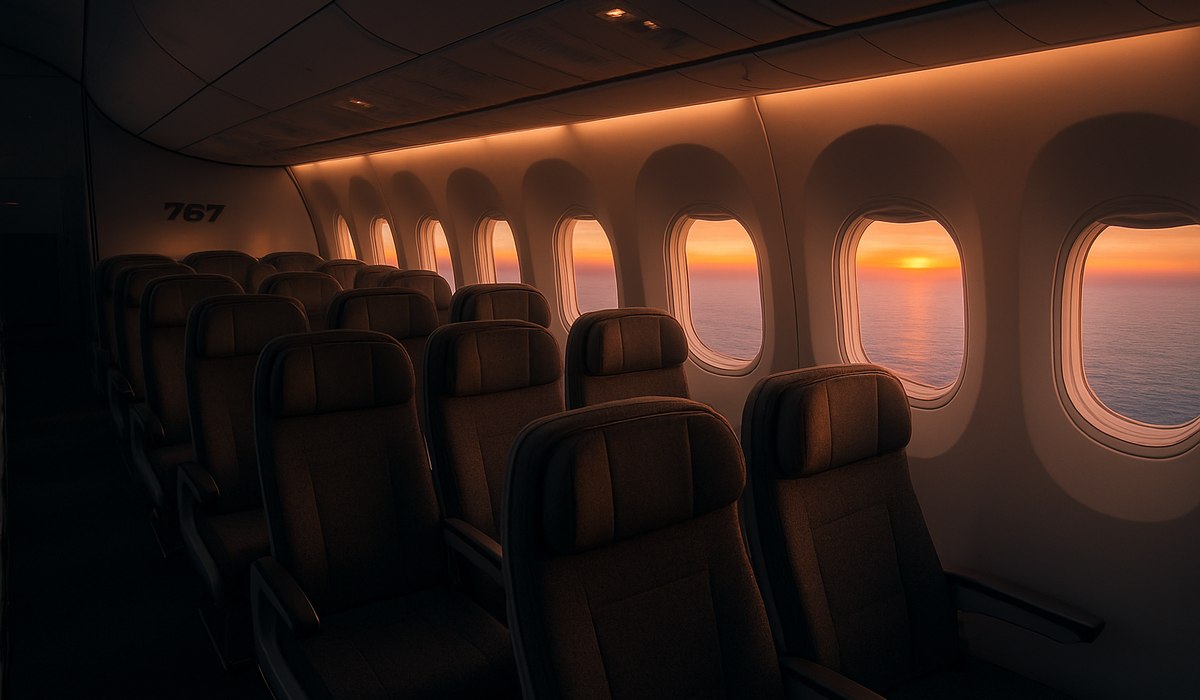
Image generated by AI
The Ultra-Long-Haul Boom Is Reshaping Global Aviation
Airlines connecting remote airports with new ultra-long-haul services have sparked unprecedented growth, yet the industry remains largely quiet about the operational complexities these extended routes introduce. The arrival of fuel-efficient aircraft like the Boeing 787 Dreamliner and Airbus A350 has enabled carriers to launch nonstop flights between city pairs that previously required connections. New Zealand airports, including Auckland International, have become focal points for this expansion, welcoming Boeing-operated services that bypass traditional hubs.
These aircraft represent a fundamental shift in aviation economics. While earlier aircraft like the Airbus A340-500 and Boeing 777-200LR could technically fly comparable distances, their fuel consumption made such routes economically unviable. The newer generation trades raw range for efficiency, allowing airlines to operate profitably on routes previously considered impossible. However, this efficiency gain masks significant challenges that carriers actively avoid discussing with passengers and regulators.
The Ultra-Long-Haul Explosion: Why Airlines Are Betting Big
The past eighteen months have witnessed explosive growth in ultra-long-haul route announcements. Airlines recognize that operating nonstop flights to remote destinations creates competitive advantages and commands premium pricing. Routes from North America to New Zealand, Asia to Europe, and similar long-distance pairings now generate headlines and investor enthusiasm.
The economic driver is straightforward: fuel efficiency. Modern widebody aircraft consume dramatically less fuel per passenger-mile than predecessors. A Boeing 787-10 burns approximately 20% less fuel than comparable Boeing 777 variants while carrying similar passenger loads. This efficiency allows carriers to maintain acceptable profit margins on routes with modest demand, expanding their network reach significantly.
Airlines have aggressively ordered these aircraft, with over 2,000 Boeing 787s and 1,000 Airbus A350s on order globally. The delivery timeline stretches through the 2030s, ensuring that ultra-long-haul expansion will accelerate. New Zealand's geographic isolation—previously a limitation—now represents opportunity for carriers receiving these aircraft. Auckland and other Oceania gateways are securing routes that seemed impossible five years ago.
Fuel Efficiency Gains: The Real Driver Behind New Routes
Fuel represents 25-35% of airline operating costs on international routes. The efficiency improvements embedded in Boeing 787 and Airbus A350 technology directly translate to route profitability. Advanced composites, aerodynamic refinements, and fuel-efficient engines reduce consumption enough to transform marginal routes into revenue generators.
These aircraft also feature extended-range capabilities that exceed earlier widebody standards. A Boeing 787-9 can fly 7,635 nautical miles without refueling, enabling routes that would previously require intermediate stops. This capability opens new airport pairs previously impossible to serve nonstop. Airlines calculate that passengers will pay premium fares for direct service, offsetting lower overall load factors on specialized routes.
The economic model depends on consistently high fuel efficiency. Real-world operations reveal complications: aging engines perform less efficiently; weather routing requires fuel diversions; crew rest requirements affect planning. Airlines internally document these realities but resist public disclosure, preferring narratives of simple efficiency gains.
The Problems Airlines Won't Acknowledge
Operational silence masks genuine challenges. Ultra-long-haul flights impose extreme stress on aircraft systems, crew physiology, and maintenance schedules—issues carriers acknowledge internally but exclude from public communication.
Crew fatigue represents the most significant concern. Extended flights require augmented crews operating rotating rest protocols. A 19-hour flight demands multiple pilots and flight attendants working in sequence, increasing error risk during critical phases. Regulatory fatigue limits exist, yet they're often approached as targets rather than safety buffers. Airlines rarely discuss how crew scheduling complexity affects service quality or safety margins.
Maintenance becomes specialized and expensive. Ultra-long-haul aircraft operate in continuous high-stress conditions, reducing maintenance intervals and requiring specialized technician expertise. Parts availability at remote airports like Auckland becomes problematic. Unscheduled maintenance events disrupt tight scheduling on long routes, cascading delays across networks.
Aircraft utilization metrics suffer. A 20-hour flight means significant turnaround time, limiting daily rotations. Airlines must balance route profitability against fleet utilization efficiency, but publish only selective metrics emphasizing positive aspects.
Environmental considerations are systematically minimized. While these aircraft are more efficient, ultra-long-haul flights still consume enormous fuel quantities. Airlines celebrate efficiency gains while remaining silent on absolute environmental impact.
What This Means for Passengers and the Industry
Passengers booking ultra-long-haul flights enjoy genuine benefits: direct service eliminating connections, premium cabin availability on new aircraft, and competitive pricing on formerly inaccessible routes. New Zealand routes now offer options previously requiring multileg journeys through Asian or Pacific hubs.
However, passenger vulnerability increases on these extended flights. Service interruptions affect travelers for 18-20 hours rather than 8-10 hours on conventional routes. Medical emergencies at cruise altitude on routes with minimal diversion airports present unique challenges. Crew fatigue—though regulated—increases throughout extended operations, potentially affecting service quality and safety vigilance.
The industry expansion continues despite these concerns because regulatory frameworks haven't adapted to ultra-long-haul realities. The FAA and international aviation authorities use fatigue limits designed for conventional routes. These standards may prove insufficient for sustained ultra-long-haul operations.
Critical Data: Ultra-Long-Haul Route Expansion 2024-2026
| Metric | Value | Implication |
|---|---|---|
| Boeing 787s Delivered (2024-2026) | 287 aircraft | Accelerating route launches globally |
| Average Ultra-Long-Haul Flight Duration | 18-22 hours | Crew fatigue compliance requirements |
| Fuel Efficiency Improvement (787 vs. 777) | 20-22% | Economic viability of new routes |
| New Routes Announced (2025-2026) | 156+ services | New Zealand airports benefiting |
| Maintenance Cost per Flight Hour (Ultra-Long-Haul) | $12,000-$15,000 | Operational expense reality |
| Average Passenger Load Factor (Established Routes) | 82% | Premium pricing necessity |
Traveler Action Checklist
If you're considering ultra-long-haul flights, especially on newer Boeing 787 or Airbus A350 services to New Zealand and similar remote destinations, follow these protective steps:
-
Verify aircraft type and age before booking—newer, well-maintained aircraft reduce mechanical disruption risk on extended flights.
-
Review crew rest schedules in booking details—airlines sometimes publish crew configuration; more crew members indicate serious fatigue management.
-
Check travel insurance coverage specifically addressing extended flight disruptions and medical emergencies at cruise altitude.
-
Monitor real-time tracking using FlightAware during your flight to understand diversions or operational changes affecting your journey.
-
Document any service failures including crew responsiveness, aircraft comfort, or maintenance concerns with photos and detailed notes.
-
File DOT complaints if service issues occur—the US Department of Transportation tracks ultra-long-haul incident patterns.
-
Request compensation proactively for delays or cancellations under DOT consumer protection rules covering international flights.
What This Means for Travelers
Ultra-long-haul expansion offers unprecedented connectivity but requires traveler sophistication. New Zealand routes previously requiring 15+ hour journeys through multiple airports now offer direct service. However, passengers must recognize that these flights operate at the boundary of aircraft and human capability.
Book with carriers demonstrating strong operational practices on extended routes. Request specific aircraft information and crew scheduling details. Carry comprehensive travel insurance covering scenario-specific risks. Monitor your flight's real-time status using available tracking tools. Understand your passenger rights under DOT regulations, which apply to
Disclaimer
This article is for informational and educational purposes only. It does not constitute legal, financial, or professional advice. While we strive to provide accurate and up-to-date information, travel policies, regulations, and conditions change rapidly. Always verify information with official sources before making travel decisions. Nomad Lawyer makes no representations about the accuracy, reliability, completeness, or suitability of the information provided. Readers should consult qualified professionals for advice specific to their circumstances. The views expressed in this article are those of the author and do not necessarily reflect the views of Nomad Lawyer.
Preeti Gunjan
Contributor & Community Manager
A passionate traveller and community builder. Preeti helps grow the Nomad Lawyer community, fostering engagement and bringing the reader experience to life.
Learn more about our team →