
Boeing 777X Wingtips: Why Modern Aviation Demands Folding Design
Boeing's 777X wingtips fold to solve airport infrastructure constraints and boost fuel efficiency. Discover why this innovative feature matters for 2026 long-haul operations.

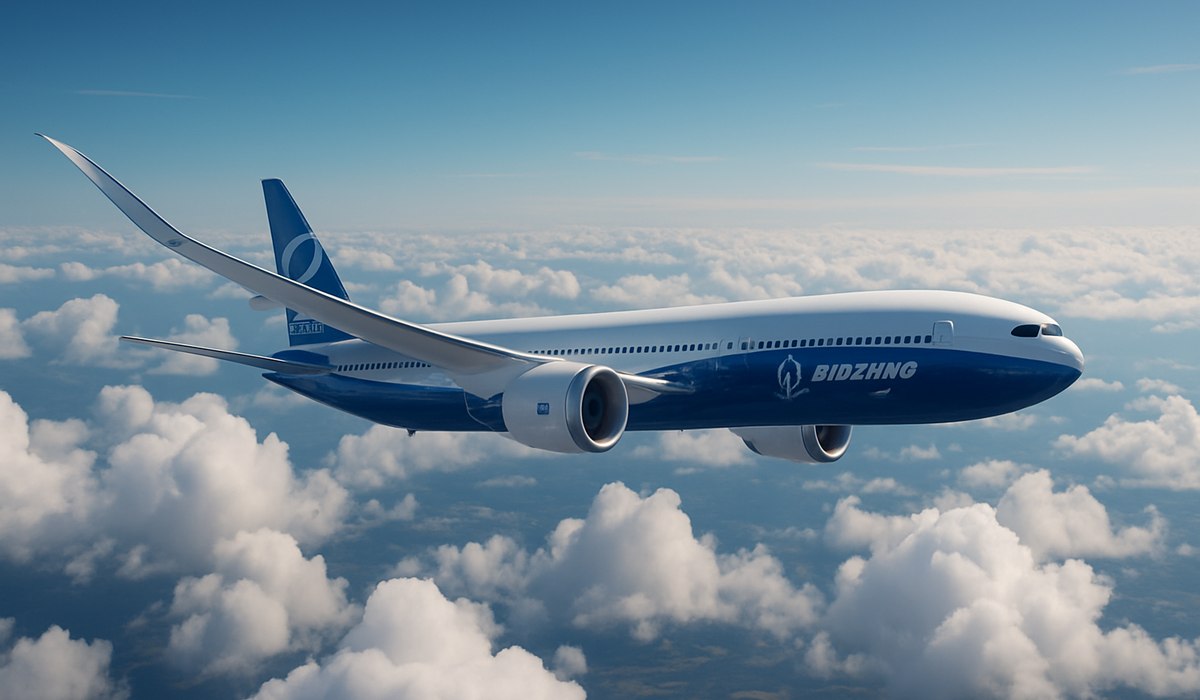
Image generated by AI
Boeing 777X Wingtips Reshape Long-Haul Aviation for Modern Airlines
The Boeing 777X features folding wingtips that represent far more than an eye-catching design element for aviation enthusiasts. This innovative engineering solution directly addresses the operational complexities facing global airlines in 2026, tackling everything from airport gate limitations to fuel consumption demands. Rather than serving aesthetic purposes, the Boeing 777X wingtips solve genuine infrastructure and efficiency challenges that constrain modern long-haul networks.
Airport Gate Compatibility and Infrastructure Constraints
Modern airports operate with rigid infrastructure constraints that haven't kept pace with aircraft evolution. The Boeing 777X wingtips solve a critical compatibility problem: the aircraft's 235-foot wingspan exceeds the gate design standards at most international airports worldwide.
When folded, the wingtips reduce the effective span to approximately 170 feet, enabling the aircraft to dock at conventional gates. This compatibility eliminates costly ground infrastructure modifications and operational delays. Airlines like All Nippon Airways and Cathay Pacific can integrate the 777X into existing terminal operations without constructing expensive new facilities.
The folding mechanism activates automatically during taxi sequences and retracts during flight. This seamless operation ensures crews maintain standard procedures while gaining maximum aerodynamic benefit. Airport authorities celebrate this solution because it permits next-generation aircraft without triggering multi-billion-dollar terminal reconstructions.
Learn more about modern aircraft compatibility standards from the FAA.
Fuel Efficiency and Range Optimization
Extended wingtips generate superior aerodynamic performance, reducing drag and improving fuel economy—two priorities dominating airline operations in 2026. The Boeing 777X wingtips needs these additional winglets to achieve the range specifications promised to customers.
The full wingspan configuration delivers approximately 5-8% fuel efficiency gains compared to earlier 777 variants. For ultra-long-haul routes spanning 8,000+ nautical miles, this efficiency translates into meaningful operational cost reductions. Airlines operating New York to Singapore routes realize tangible savings through reduced fuel consumption.
The folding design maintains these aerodynamic benefits while circumventing airport infrastructure limitations. Engineers achieved unprecedented efficiency gains by optimizing the wingtip shaping and utilizing advanced composite materials. This represents a balanced compromise between environmental responsibility and practical airport operations.
Passengers benefit indirectly through lower operational costs that stabilize ticket pricing and route viability.
Commercial Viability in Global Airline Networks
Airlines purchasing the 777X require aircraft capable of serving both premium international hubs and secondary airports with infrastructure limitations. The Boeing 777X wingtips reasons fundamentally stem from commercial necessity rather than technical whimsy.
Major carriers investing in 777X fleets—including Qatar Airways, Emirates, and Japan Airlines—operate diverse route networks spanning world-class airports and developing-nation facilities. The folding mechanism enables deployment flexibility impossible with traditional rigid-wing designs. Airlines maximize aircraft utilization by accessing broader networks without sacrificing aerodynamic performance.
This commercial reality shaped Boeing's engineering priorities throughout the development cycle. The wingtip solution represents pragmatic problem-solving for stakeholders managing complex global operations across heterogeneous airport infrastructures.
Competitive Advantage in the Long-Haul Market
Boeing competes directly against Airbus in the widebody market segment. The 777X's innovative folding wingtips feature provides distinctive competitive advantages that attracted early customers when the aircraft launched in 2020.
The engineering elegance appeals to forward-thinking airlines seeking operational efficiency without infrastructure compromises. Competitors like the Airbus A350 lack comparable solutions, requiring larger gate facilities or limiting deployment options. Boeing's 777X captures market preference among airlines operating constrained networks.
Fuel efficiency improvements position the 777X favorably against rival offerings, supporting Boeing's market expansion goals. The combination of aerodynamic excellence and practical airport compatibility creates compelling value propositions for airline decision-makers evaluating capital aircraft investments.
Track real-time 777X deployment information through FlightAware.
Key Technical Specifications and Data
| Specification | Details |
|---|---|
| Extended Wingspan | 235 feet (71.8 meters) |
| Folded Wingspan | Approximately 170 feet (51.8 meters) |
| Fuel Efficiency Gain | 5-8% improvement vs. 777-300ER |
| Typical Range | 8,000+ nautical miles (14,800+ km) |
| Passenger Capacity | 350-400 across configurations |
| Folding Time | Approximately 45 seconds |
| First Delivery Timeline | 2025-2026 customer airlines |
What This Means for Travelers
The Boeing 777X wingtips innovation influences your future travel experience through expanded route networks and improved operational reliability. Here's what to anticipate:
Traveler Action Checklist:
-
Monitor 777X rollout schedules from your preferred airlines through official websites or aviation tracking platforms to plan future long-haul bookings.
-
Research which airlines operate 777X routes you regularly fly—early adopters include Middle Eastern and Asian carriers offering premium long-haul service.
-
Expect potential improvements in fuel efficiency, which may eventually reduce ticket prices as airlines optimize operating costs across 2026-2027 periods.
-
Book connecting flights with buffer time during transition periods when airlines integrate new aircraft into existing route networks.
-
Review in-flight amenities on 777X-equipped aircraft, as many carriers enhanced cabin features alongside aircraft upgrades.
-
Check if your airline offers 777X seating preference benefits in frequent-flyer programs or paid seat selection options.
These proactive steps help you maximize benefits from aviation's technological advancement while maintaining flexibility around network changes.
Frequently Asked Questions
Q: How do the folding wingtips actually work mechanistically?
A: The folding mechanism uses hydraulic actuators that rotate the wingtip sections upward after landing. The process occurs automatically during taxi and ground operations. In-flight, the tips remain locked in extended position to optimize aerodynamic performance throughout cruise phases.
Q: Will the folding wingtips increase aircraft maintenance costs?
A: Boeing designed the mechanism for durability across thousands of flight cycles with minimal additional maintenance requirements. Airlines initially expressed concerns, but engineering reliability testing demonstrated comparable maintenance costs versus traditional aircraft systems.
Q: Which airlines have ordered 777X aircraft with folding wingtips?
A: Launch customers include Japan Airlines, All Nippon Airways, Cathay Pacific, Qatar Airways, Emirates, and Singapore Airlines. These carriers operate globally diverse networks where the wingtip solution provides maximum operational advantage across their route structures.
Q: When will passengers first experience 777X flights on commercial routes?
A: First delivery aircraft began entering service in 2025-2026, with expanding deployment throughout 2026-2027 as manufacturing ramps production. Major international routes connecting Asia, Middle East, and North America will see 777X presence first.
Related Travel Guides
Explore these complementary resources for deeper travel and aviation insights:
- Understanding Modern Aircraft Technology and Passenger Comfort Advances
- Long-Haul Flight Planning Guide: Routes, Airlines, and Premium Experiences
- How Aircraft Design Innovations Reduce Travel Costs and Environmental Impact
Disclaimer
This article synthesizes publicly available information from Boeing official announcements, aviation industry publications, and airline press releases regarding 777X specifications and deployment. Information represents conditions as of April 2026. For current details about specific aircraft availability on your intended routes, verify with your airline before booking travel. Additional regulatory information appears at
Disclaimer
This article is for informational and educational purposes only. It does not constitute legal, financial, or professional advice. While we strive to provide accurate and up-to-date information, travel policies, regulations, and conditions change rapidly. Always verify information with official sources before making travel decisions. Nomad Lawyer makes no representations about the accuracy, reliability, completeness, or suitability of the information provided. Readers should consult qualified professionals for advice specific to their circumstances. The views expressed in this article are those of the author and do not necessarily reflect the views of Nomad Lawyer.
Preeti Gunjan
Contributor & Community Manager
A passionate traveller and community builder. Preeti helps grow the Nomad Lawyer community, fostering engagement and bringing the reader experience to life.
Learn more about our team →