
Boeing 777X Delays: Why Airlines Refuse to Cancel Orders Despite Setbacks
Boeing 777X faces mounting delays in 2026, yet major airlines hold firm on aircraft orders. Industry confidence signals eventual delivery despite years of testing patience and budgets.

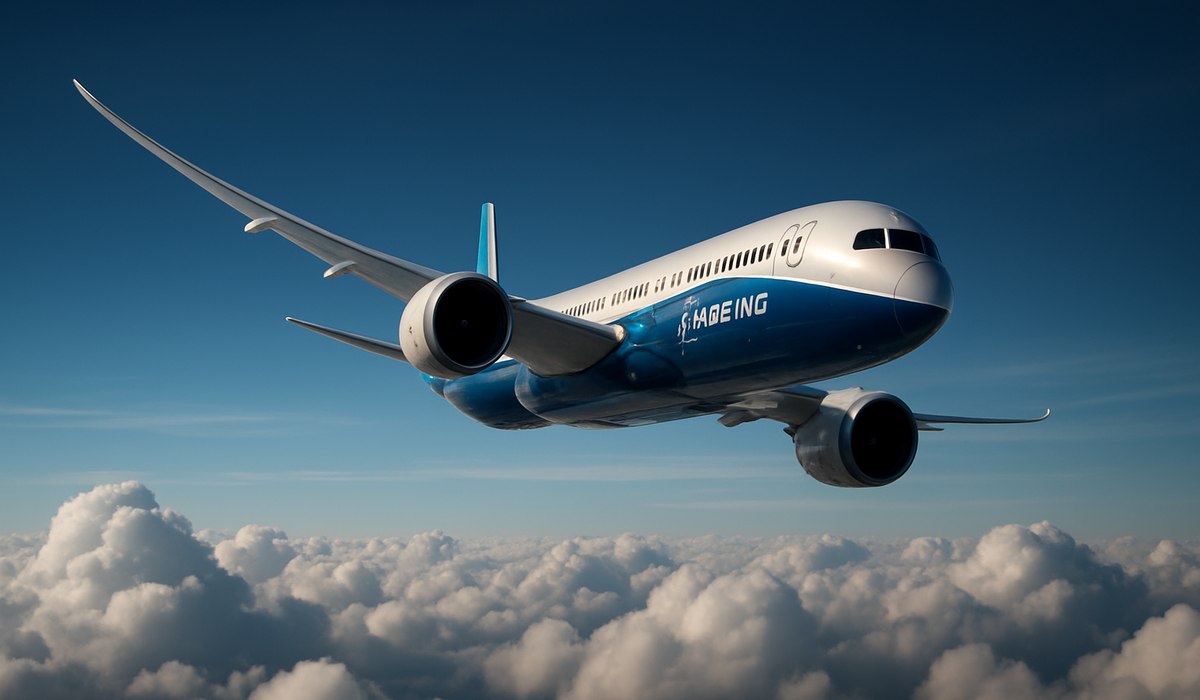
Image generated by AI
Boeing 777X Program Faces Another Potential Delay, Yet Airlines Hold Firm on Orders
Boeing's troubled 777X program continues to encounter production hurdles in 2026, raising fresh concerns about delivery timelines that have already slipped by several years. Despite chronic setbacks that have strained manufacturer-airline relationships and corporate budgets, a striking pattern has emerged: the vast majority of global carriers with 777X orders refuse to cancel. This decision reveals deep-rooted confidence in Boeing's eventual capability to deliver the long-haul aircraft, even as the delay accumulates operational and financial costs for airlines worldwide.
The 777X's Track Record of Setbacks
The Boeing 777X program has encountered a cascade of obstacles since its 2013 launch. Engineering challenges, regulatory scrutiny from the Federal Aviation Administration, and supply chain disruptions have pushed anticipated delivery dates further into the future. Originally slated for 2020, then 2023, the aircraft now faces realistic delivery timelines extending into 2027 and potentially beyond.
These delays have cost Boeing billions in development expenses and damaged its market reputation alongside competitors like Airbus. The program's stumbles include design modifications, cabin pressurization system reviews, and extended FAA certification processes. Despite these headwinds, over 350 airlines globally maintain active purchase agreements. The resilience of these orders suggests that long-term aircraft acquisition strategies cannot easily pivot, even when frustration mounts.
Why Airlines Aren't Canceling 777X Orders
Several interconnected factors explain why carriers continue supporting Boeing's ambitious widebody initiative. First, airlines locked in purchase agreements years ago often face contractual penalties for cancellation. These penalties can reach hundreds of millions of dollars, making it financially prudent to wait rather than pay exit costs.
Second, the airline industry operates on extended fleet planning cycles. A carrier investing in 777X aircraft does so expecting to operate these jets for 25–30 years. Waiting an additional two to three years represents a marginal delay within that lifecycle. Airlines like Emirates, Singapore Airlines, and American Airlines cannot easily reconfigure fleet strategies mid-cycle without cascading operational consequences.
Third, Airbus's A350 widebody jet, while available, carries its own delivery bottlenecks and pricing premiums. Boeing's 777X promises superior fuel efficiency and cargo capacity for ultra-long-range routes. Canceling orders to switch suppliers would require renegotiating terms, accepting delivery delays elsewhere, and retraining operational staff—often more disruptive than patience.
Fourth, airline executives publicly commit to aircraft orders in investor calls and strategic announcements. Reversing course signals instability to capital markets and raises questions about long-term vision. Maintaining orders, despite frustration, projects confidence in global aviation recovery and fleet modernization timelines.
The Financial and Operational Stakes
The Boeing airlines 777X represents a massive financial commitment for carriers. Orders typically range from 10 to 50 aircraft per airline, valued at $10–$15 billion collectively. These commitments factor into five-year capital expenditure plans, lease agreements, and route expansion projections.
Delays cascade through airline operations in subtle ways. Carriers must extend the operational life of aging widebodies like the 777 and 787, increasing maintenance costs and fuel burn. Route launches targeting 777X capabilities get postponed. Crew training schedules slip. These cascading effects add operational expense but remain manageable compared to order cancellation penalties and reputational damage.
Additionally, suppliers and lessors factor 777X deliveries into their forecasts. Cancellations would trigger supply-chain ripple effects, affecting jobs and investment commitments globally. Airlines recognize their role within this ecosystem and balance shareholder interests against broader industry stability.
What's Next for Boeing and Its Customers
As 2026 progresses, eyes focus on FAA certification timelines and production rate acceleration. Boeing must demonstrate that 777X aircraft consistently meet safety and performance standards before regulators grant final approval. Airlines simultaneously pressure the manufacturer for transparent delivery schedules while preparing contingency operational plans.
The path forward requires Boeing to deliver on promises through 2027 and beyond. Any further major delays risk shifting airline sentiment toward cancellation, particularly among carriers with flexible contract terms. However, industry observers expect most orders to persist, with airlines treating delays as cost-of-business rather than deal-breakers.
Alternative long-haul strategies, including extended Airbus orders and continued 777 operation, provide backup options without triggering formal cancellations. This pragmatic approach lets airlines maintain flexibility while signaling continued partnership with Boeing.
| Metric | Details |
|---|---|
| Original Delivery Date | 2020 |
| Current Expected Delivery | 2027–2028 |
| Total Years Delayed | 7–8 years |
| Global Orders Outstanding | 350+ aircraft |
| Estimated Program Cost to Boeing | $20+ billion |
| Typical Aircraft List Price | $400–$450 million |
| Airlines Canceling Orders | <10% of total orders |
What This Means for Travelers
Delays in 777X deliveries affect passenger experience indirectly but meaningfully. New widebodies bring superior cabin comfort, reduced fuel burn translating to lower fares, and expanded long-haul route networks. Extended delays defer these benefits, keeping older aircraft in service longer.
Your Traveler Action Checklist:
-
Monitor fleet announcements from your preferred airline's investor relations website to track when new 777X aircraft enter service on specific routes.
-
Request newer aircraft when booking long-haul flights; many airlines now allow seat selection on recently delivered widebodies with modern cabins.
-
Track aircraft assignments via FlightAware before booking, checking whether your flight uses newer or older widebodies.
-
Stay informed on delays by subscribing to aviation news outlets and airline press releases covering 777X delivery updates.
-
Verify seat configurations for your target airline, as 777X cabin layouts differ from legacy widebodies, affecting seat pitch and amenities.
FAQ
Q: Will Boeing 777X delays significantly impact my international flights in 2026? A: Indirectly. Delays defer new aircraft deployment, keeping older widebodies in service longer. However, airlines continue operating existing fleets reliably while awaiting 777X deliveries, so flight disruptions are not guaranteed.
Q: Can I request a 777X aircraft when booking my ticket? A: Most airlines don't allow aircraft-specific seat selection during booking, though you may request newer aircraft at check-in or through customer service, subject to availability and airline policies.
Q: Why don't airlines just cancel Boeing 777X orders and buy from Airbus instead? A: Cancellation penalties, supply chain constraints at Airbus, contractual obligations, and operational retraining costs make switching suppliers more expensive than waiting for delayed deliveries.
Q: How do 777X delays affect airplane ticket prices? A: Delayed fleet modernization may keep airline operating costs slightly elevated longer, potentially affecting fare competitiveness. However, broader market forces, fuel prices, and demand remain primary fare drivers.
Related Travel Guides
- Korean Air Seoul American Cancellations Disrupt Pacific Routes May 2026
- Singapore Airlines Redefines European Connectivity with Massive Manchester and Milan Flight Expansion: New Nonstop Services Confirmed
- Paris Amalfi Coast Linked by Venice Simplon-Orient-Express Route in May 2026
Disclaimer
This article synthesizes information from Boeing investor announcements, airline press releases, and aviation industry analysis as of June 2026. Facts regarding order quantities, delivery timelines, and program costs reflect publicly disclosed corporate communications. For the most
Disclaimer
This article is for informational and educational purposes only. It does not constitute legal, financial, or professional advice. While we strive to provide accurate and up-to-date information, travel policies, regulations, and conditions change rapidly. Always verify information with official sources before making travel decisions. Nomad Lawyer makes no representations about the accuracy, reliability, completeness, or suitability of the information provided. Readers should consult qualified professionals for advice specific to their circumstances. The views expressed in this article are those of the author and do not necessarily reflect the views of Nomad Lawyer.
Preeti Gunjan
Contributor & Community Manager
A passionate traveller and community builder. Preeti helps grow the Nomad Lawyer community, fostering engagement and bringing the reader experience to life.
Learn more about our team →