
Boeing 747 Upper Deck: Inside Aviation's Most Iconic Aircraft Layout
Explore the Boeing 747 upper deck's evolution from luxury lounge to modern aviation workhorse in 2026. Discover the iconic double-decker layout that revolutionized passenger cabin design.

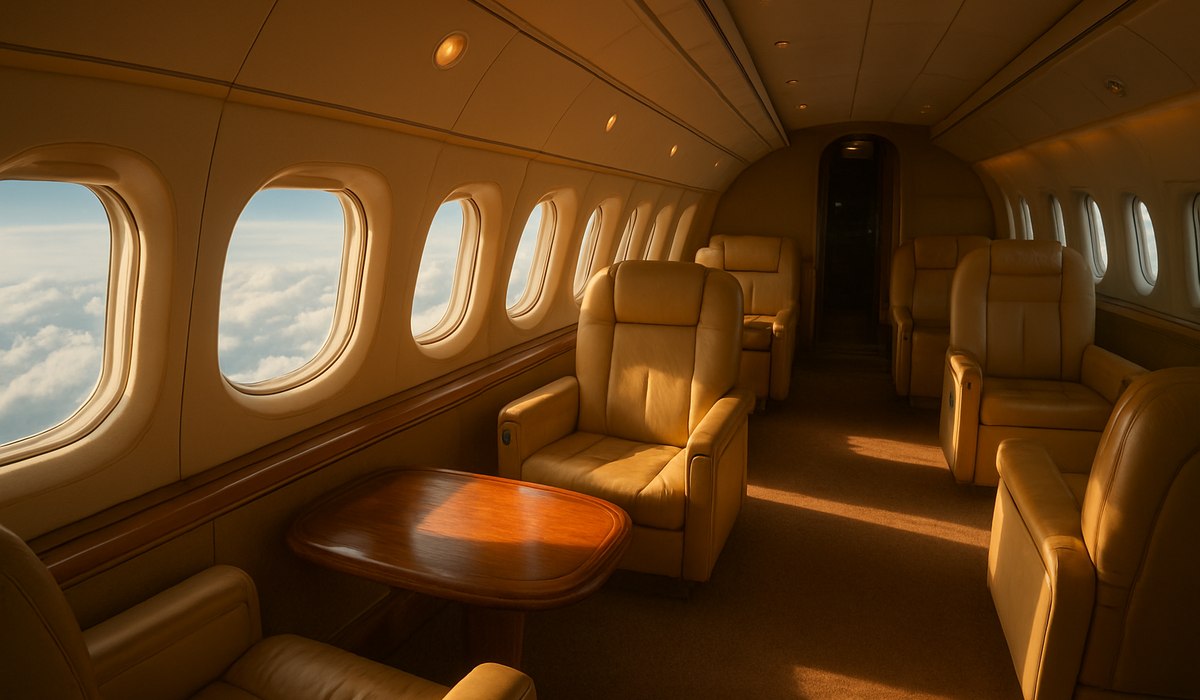
Image generated by AI
The Boeing 747's Distinctive Hump Redefined Modern Aviation
The Boeing 747's upper deck stands as one of aviation's most transformative engineering achievements. The aircraft's instantly recognizable hump—sitting prominently above the forward fuselage—distinguishes the jumbo jet from every other commercial aircraft. What many travelers don't realize is that this elevated space evolved from a simple designer's luxury concept into a multifunctional area serving both premium passengers and cargo operations. Understanding the Boeing 747 upper deck layout reveals how one structural decision shaped decades of long-haul travel and global freight transportation.
The original concept emerged in the 1960s when Boeing engineers faced a unique challenge: airlines wanted maximum cargo capacity without building an entirely new aircraft platform. Rather than extending the fuselage horizontally, Boeing's design team chose vertical expansion. This innovation created the iconic double-decker aircraft layout that became synonymous with luxury international travel and later revolutionized air cargo logistics.
The Evolution of the 747 Upper Deck: From Lounge to Logistics
During the Boeing 747's golden age in the 1970s and 1980s, the upper deck served as an exclusive space far removed from main-cabin crowds. Airlines transformed this area into premium lounges where first-class and business-class passengers could retreat during intercontinental flights. The intimate seating arrangements, reduced capacity, and elevated positioning created an atmosphere of exclusivity that became legendary in aviation history.
Passenger cabin configurations varied dramatically across airlines. Some carriers installed just 8-14 seats upstairs, while others maximized capacity with 40+ upper-deck seats. The layout typically featured panoramic windows—a major selling point for premium travelers—and sometimes included bar service or rest areas. This period cemented the 747 upper deck as a status symbol within commercial aviation.
As air travel democratized and cargo demand surged, airlines reimagined the upper deck's purpose. Modern 747-400 and 747-8 variants often convert the entire upper section for cargo storage, eliminating passenger seating entirely. This transformation reflects broader industry trends toward freight-focused operations, particularly on routes serving Asia-Pacific markets. The structural advantage of the hump—easier loading access and weight distribution benefits—made it ideal for high-value cargo and heavy shipments.
Upper Deck Layout and Passenger Configuration
The aircraft layout of the 747 upper deck follows a standardized blueprint adapted across variants. The upper deck spans approximately 490 square feet, representing roughly 20-25% of total cabin space. Access occurs via a single staircase (or dual staircases on newer models) positioned in the forward main deck, creating intentional separation between upper and lower sections.
Seating configurations depend entirely on airline strategy. Premium carriers typically arrange 8-16 business-class seats upstairs in a 1-2-1 configuration—the most coveted layout on widebody aircraft. Economy-focused airlines place 30-40 seats in a cramped 3-3 or 2-3-2 pattern. Cargo-only operators remove all seating infrastructure, installing cargo pallets and utilizing the 875-cubic-foot storage volume.
The upper deck's ceiling height averages 6'1"—noticeably lower than the main deck—a factor that influenced seating density calculations. Windows positioned along both sides provide natural light and those prized overhead views. Galley and lavatory facilities on the upper deck serve cabin crew needs without passengers requiring main-deck trips, enhancing service efficiency and creating natural passenger segregation.
Modern freighter configurations eliminate traditional passenger cabin amenities entirely. The upper deck transforms into a secure cargo hold with specialized loading equipment, climate controls, and structural reinforcements for heavy shipment distribution. This conversion increased upper-deck cargo capacity to approximately 4,500 pounds when optimally configured.
Design Innovation and Commercial Impact
The Boeing 747 upper deck represented a breakthrough in aviation engineering that influenced aircraft design principles for generations. The structural solution—placing an additional deck above the main cargo hold rather than extending fuselage length—proved more efficient than competitors' approaches. This innovation allowed Boeing to achieve exceptional passenger capacity (up to 524 seats in three-class configuration) while maintaining aerodynamic efficiency.
The design's commercial impact extended beyond passenger comfort into revenue generation. Airlines could charge premium fares for upper-deck business-class seats, with some routes generating 40% higher revenue per seat compared to main-deck equivalents. The exclusivity factor created strong brand differentiation in competitive markets, particularly on prestigious routes like New York-London and Hong Kong-Sydney.
From a logistics perspective, the upper deck's cargo capability transformed freight economics. The dedicated upper hold allowed simultaneous passenger and cargo operations without compromising either service. Carriers operating mixed-use 747s could maximize revenue per flight by selling premium seating below while monetizing overhead capacity above—a structural advantage competitors couldn't replicate.
The double-decker aircraft layout also influenced subsequent design decisions. Airbus engineers studied the 747's upper deck extensively when developing the A380, ultimately creating a full-length double-deck configuration. Boeing's engineering principles—weight distribution, staircase positioning, emergency egress requirements—became industry standards that newer aircraft manufacturers adopted.
Flying the Hump: What Travelers Should Know
If you're fortunate enough to secure upper-deck seating on a Boeing 747, several factors enhance the experience. First, understand that upper-deck availability depends entirely on individual airline fleet planning. Most carriers now reserve this space for cargo, meaning passenger upper-deck seating remains increasingly rare. Airlines operating mixed configurations typically restrict upper-deck bookings to premium fare classes only.
Passengers assigned upper-deck seats should expect fewer crowds, quieter cabin environments, and superior window views. The isolation factor appeals strongly to business travelers and families seeking privacy during long flights. However, the smaller staircase means longer boarding and deplaning times compared to main-deck passengers—a practical consideration for tight connections.
Accessibility presents challenges on the upper deck. Passengers with mobility limitations cannot easily navigate the narrow staircase, and emergency evacuation procedures include specific protocols for upper-deck occupants. Airlines typically prevent passengers with physical disabilities from booking upper-deck seats due to safety regulations and accessibility concerns. Families with small children should also consider the staircase hazards.
The upper deck's lower ceiling height occasionally surprises tall passengers. While not truly claustrophobic, the 6'1" clearance requires ducking in galley areas and near overhead bins. Some travelers report feeling more aware of aircraft curvature in upper-deck spaces, potentially amplifying motion sensation during turbulence.
For frequent flyers, upper-deck experiences remain increasingly unavailable. As airlines transition older 747 fleets to cargo operations, the passenger-configured upper deck becomes nearly extinct on commercial routes. Securing these seats requires either premium cabin status or specific airline booking strategies during peak seasons.
Key Data Table: Boeing 747 Upper Deck Specifications
| Specification | Details |
|---|---|
| Total Upper Deck Area | Approximately 490 square feet |
| Typical Seating Capacity | 8-40 seats depending on configuration |
| Ceiling Height | Average 6'1" (some areas lower) |
| Access Method | Single or dual staircase from main deck |
| Cargo Volume (Freighter) | 875 cubic feet; up to 4,500 lbs capacity |
| Window Coverage | Panoramic windows along both sides |
| Premium Seat Configuration | 1-2-1 business class (8-16 seats) |
| Economy Seat Configuration | 3-3 or 2-3-2 layouts (30-40 seats) |
| Lavatory Facilities | 1-2 dedicated upper-deck restrooms |
| Galley Space | Dedicated bar or beverage service area |
| **Weight Distribution |
Disclaimer
This article is for informational and educational purposes only. It does not constitute legal, financial, or professional advice. While we strive to provide accurate and up-to-date information, travel policies, regulations, and conditions change rapidly. Always verify information with official sources before making travel decisions. Nomad Lawyer makes no representations about the accuracy, reliability, completeness, or suitability of the information provided. Readers should consult qualified professionals for advice specific to their circumstances. The views expressed in this article are those of the author and do not necessarily reflect the views of Nomad Lawyer.
Preeti Gunjan
Contributor & Community Manager
A passionate traveller and community builder. Preeti helps grow the Nomad Lawyer community, fostering engagement and bringing the reader experience to life.
Learn more about our team →