
Air India Pilot Deported from US After Marijuana Found in Baggage at San Francisco Airport
Breaking airline news and aviation industry updates for 2026.

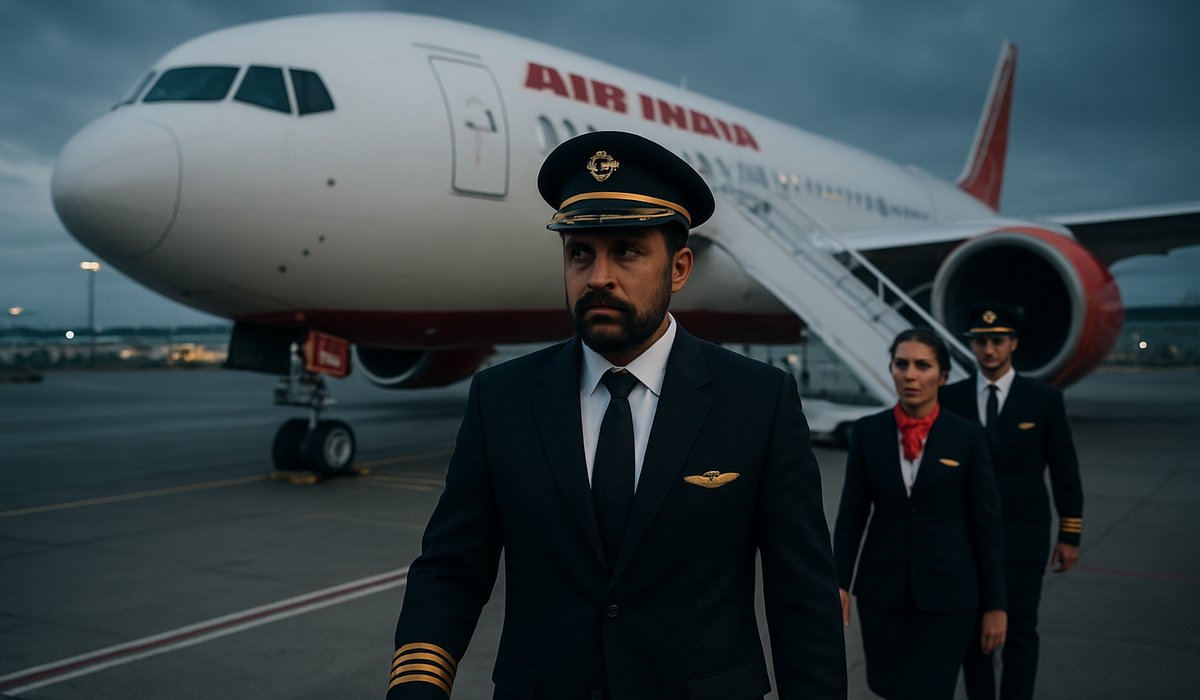
Image generated by AI
Air India Pilot Deported from US After Marijuana Found in Baggage at San Francisco Airport
Federal drug laws override state legalization, triggering immediate deportation and raising questions about crew protocols and international aviation standards
Pilot's Deportation Marks Serious Breach of International Aviation Regulations
An Air India pilot has been deported from the United States following the discovery of marijuana in his personal luggage upon arrival at San Francisco International Airport. The incident underscores a critical gap between state-level cannabis legalization and federal enforcement authority, particularly affecting international aviation personnel operating under strict regulatory frameworks.
The pilot, who was traveling as a non-revenue passenger—a standard practice for crew repositioning between flights—encountered federal agents during customs processing. Despite California's legalization of recreational marijuana, the airport operates under exclusive federal jurisdiction, where possession of controlled substances remains a federal crime regardless of state law.
Federal Authority Supersedes State Legalization
This case illustrates a persistent legal gray zone that continues to ensnare travelers and aviation professionals. While California permits cannabis use and possession for adults, San Francisco International Airport—like all U.S. airports—falls under federal oversight. Consequently, international arrivals cannot rely on state protections when crossing federal boundaries or engaging with customs officials.
The deportation carries significant implications beyond immediate disciplinary action. Air India, India's flagship carrier, now faces potential regulatory scrutiny regarding crew training, baggage protocols, and compliance with international aviation security standards. The incident raises questions about whether sufficient guidance exists for international flight personnel regarding U.S. federal drug enforcement at domestic gateways.
Broader Implications for International Aviation
The deportation reflects mounting tensions between evolving state regulations and federal enforcement mechanisms. International airlines operating U.S. routes must navigate complex legal jurisdictions where crew members remain subject to federal penalties despite layover states' permissive drug policies.
Aviation authorities, including the Federal Aviation Administration (FAA) and international bodies, maintain zero-tolerance policies regarding controlled substances among operating personnel. Even non-flying crew face serious consequences, as any drug-related conviction can jeopardize flight certifications and professional standing within the global aviation industry.
For international carriers, this incident underscores the necessity of comprehensive crew briefings addressing U.S. federal laws, regardless of individual state statutes. The deportation also signals that U.S. Customs and Border Protection continues rigorous enforcement at airports, particularly for foreign nationals, setting precedent for future incidents.
FAQs
Can you carry marijuana through U.S. airports in states where it's legal? No. Federal law prohibits marijuana possession at airports nationwide, even in states with legalization. Airports operate under federal jurisdiction where cannabis remains a Schedule I controlled substance.
What happens to international pilots caught with drugs at U.S. airports? They face immediate detention, deportation proceedings, and potential permanent bans from U.S. entry. Their aviation certifications may also be suspended or revoked by their home country's aviation authority.
Does California's marijuana legalization protect travelers at San Francisco Airport? State laws do not override federal jurisdiction. San Francisco International Airport enforces federal drug statutes exclusively, offering no protection for cannabis possession.
How does this incident affect Air India's operations in the United States? While individual crew members bear legal responsibility, airlines may face increased regulatory scrutiny, mandatory compliance audits, and enhanced crew training requirements regarding U.S. federal law.
Are international airlines providing sufficient guidance on U.S. drug laws to crews? This incident suggests potential gaps in crew briefing protocols. Many international carriers may need to strengthen training regarding federal drug enforcement, particularly at U.S. gateway airports.
Related Travel Guides
- Delta SkyMiles Boosts Traveller Benefits With Free Miles Upgrades and Premium Flight Perks
- Severe Travel Chaos Sweeps Asia: 477 Flight Cancellations and Massive Airport Disruptions Strike China Southern, SpiceJet, and Global Carriers
- Iran War Forces Lufthansa, Swiss, Austrian, Malaysia Airlines, Norwegian Air Into Emergency Rerouting Operations
Disclaimer
This article is for informational and educational purposes only. It does not constitute legal, financial, or professional advice. While we strive to provide accurate and up-to-date information, travel policies, regulations, and conditions change rapidly. Always verify information with official sources before making travel decisions. Nomad Lawyer makes no representations about the accuracy, reliability, completeness, or suitability of the information provided. Readers should consult qualified professionals for advice specific to their circumstances. The views expressed in this article are those of the author and do not necessarily reflect the views of Nomad Lawyer.
Raushan Kumar
Founder & Lead Developer
Full-stack developer with 11+ years of experience and a passionate traveller. Raushan built Nomad Lawyer from the ground up with a vision to create the best travel and law experience on the web.
Learn more about our team →