
Behind the Locked Cockpit Door: Commercial Pilots Reveal How Aviation Security Transformed Since 9/11
Breaking airline news and aviation industry updates for 2026.

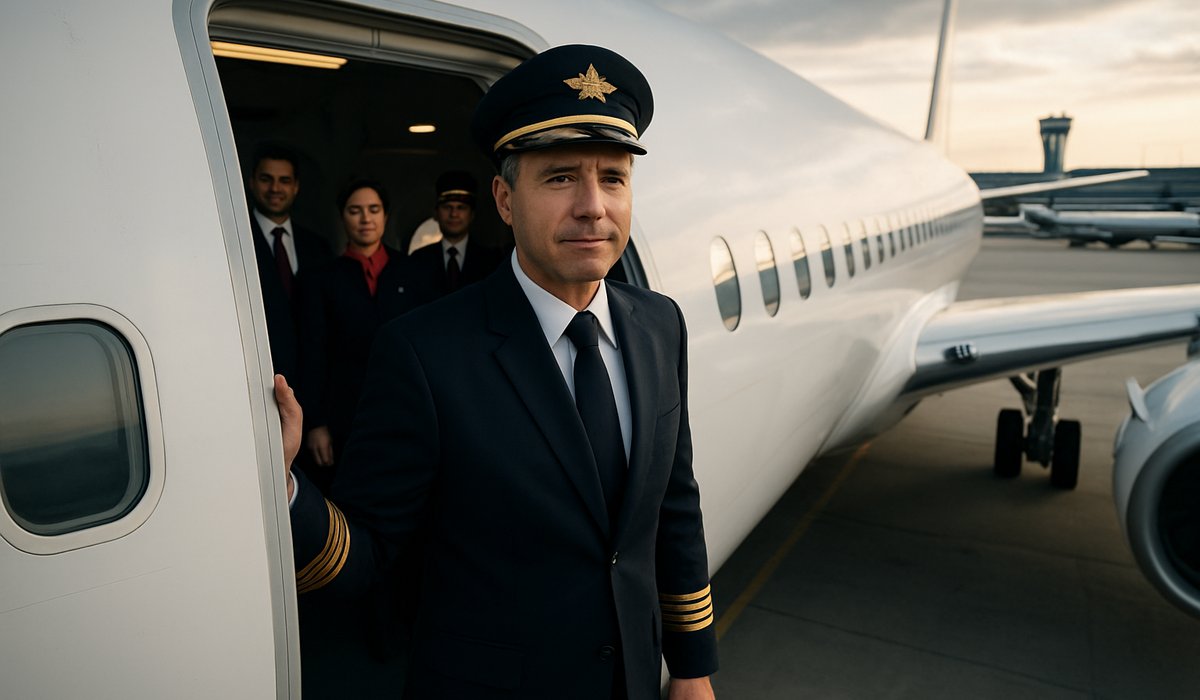
Image generated by AI
Behind the Locked Cockpit Door: Commercial Pilots Reveal How Aviation Security Transformed Since 9/11
Nearly a quarter-century after the September 11 attacks, airline captains share insights into the operational and safety changes that fundamentally reshaped the flying experience
The Security Barrier That Changed Everything
The cockpit door has become one of modern aviation's most recognizable security features—a physical manifestation of how the 2001 terrorist attacks fundamentally rewired the industry's approach to passenger safety. What was once an open invitation for curious travelers and wide-eyed children to glimpse the flight deck during cruise altitude has now become one of the most fortified areas of any aircraft, accessible only to authorized flight crew.
Senior commercial pilots operating long-haul and domestic routes worldwide have witnessed this transformation firsthand. The locked flight deck door represents far more than a simple mechanical barrier; it symbolizes a seismic shift in how airlines, regulatory bodies, and governments conceptualize in-flight security protocols.
A Glimpse Into Pre-9/11 Cockpit Culture
Before the September 11 attacks reshaped aviation security frameworks, the flight deck operated under fundamentally different operational assumptions. Pilots regularly welcomed passengers into the cockpit during steady-cruise portions of flights, allowing them to observe the intricate array of instrumentation, navigation systems, and control mechanisms that keep modern aircraft aloft. Children, in particular, were frequent visitors, experiencing the awe-inspiring vista of Earth from 35,000 feet—an experience that defined countless formative aviation memories.
These cockpit visits represented a more accessible, transparent relationship between airlines and their passengers. The interaction humanized commercial flying and fostered genuine public engagement with aviation as an industry.
The Permanent Shift in Aviation Operations
The 9/11 attacks, and the subsequent use of aircraft as weapons, triggered an immediate and irreversible restructuring of cockpit access protocols. Within weeks, reinforced flight deck doors became mandatory equipment on commercial aircraft operating in the United States and, subsequently, across most major aviation jurisdictions globally.
Today, nearly 25 years later, that security measure remains standard practice worldwide. Flight crew members operate behind reinforced barriers, with multiple authentication protocols governing entry. The cockpit has transitioned from a showcase of aviation wonder into a secure operational facility, fundamentally altering the passenger experience and reshaping crew workflows.
Long-Term Industry Implications
This architectural and procedural evolution reflects broader changes in how the aviation industry balances operational efficiency with enhanced security measures. The locked cockpit door established a precedent that continues influencing aircraft design, crew training protocols, and passenger behavior standards across the sector.
For modern commercial pilots, the security measures represent a non-negotiable operational reality—a permanent feature of 21st-century flying that has normalized restricted access to previously open spaces aboard commercial aircraft.
FAQ: Common Questions About Modern Cockpit Security
Q: When did airlines start locking cockpit doors? A: Locked reinforced cockpit doors became mandatory on U.S. commercial aircraft within weeks following the September 11, 2001 attacks, with international implementation following shortly thereafter.
Q: Can passengers ever visit the flight deck anymore? A: Modern commercial aviation strictly prohibits passenger cockpit access during normal operations. Limited exceptions may apply only under exceptional circumstances at captain's discretion.
Q: How do flight attendants enter the cockpit if needed? A: Modern cockpit access systems utilize secure video verification protocols, allowing crew to authenticate individuals before electronically unlocking reinforced doors.
Q: Has cockpit security affected airline operations? A: Enhanced security measures have added minimal operational delays while fundamentally altering crew communication procedures and passenger boarding workflows.
Q: What happens if there's a medical emergency requiring cockpit access? A: Specific protocols exist enabling flight attendants to notify pilots of emergencies through intercom systems, with controlled door access procedures for genuine medical situations.
Related Travel Guides
Flight Delay Compensation Guide 2026
Understanding Airline Route Changes
Airport Security Process Updated (2026)
External Resources
Disclaimer
This article is for informational and educational purposes only. It does not constitute legal, financial, or professional advice. While we strive to provide accurate and up-to-date information, travel policies, regulations, and conditions change rapidly. Always verify information with official sources before making travel decisions. Nomad Lawyer makes no representations about the accuracy, reliability, completeness, or suitability of the information provided. Readers should consult qualified professionals for advice specific to their circumstances. The views expressed in this article are those of the author and do not necessarily reflect the views of Nomad Lawyer.
Raushan Kumar
Founder & Lead Developer
Full-stack developer with 11+ years of experience and a passionate traveller. Raushan built Nomad Lawyer from the ground up with a vision to create the best travel and law experience on the web.
Learn more about our team →