
Biometric Border Chaos Strands 100+ EasyJet Passengers at Milan Linate
Over 100 EasyJet passengers missed their Manchester flight after the EU's new biometric Entry Exit System created unprecedented airport queues at Milan Linate in April 2026, leaving travelers stranded for days.

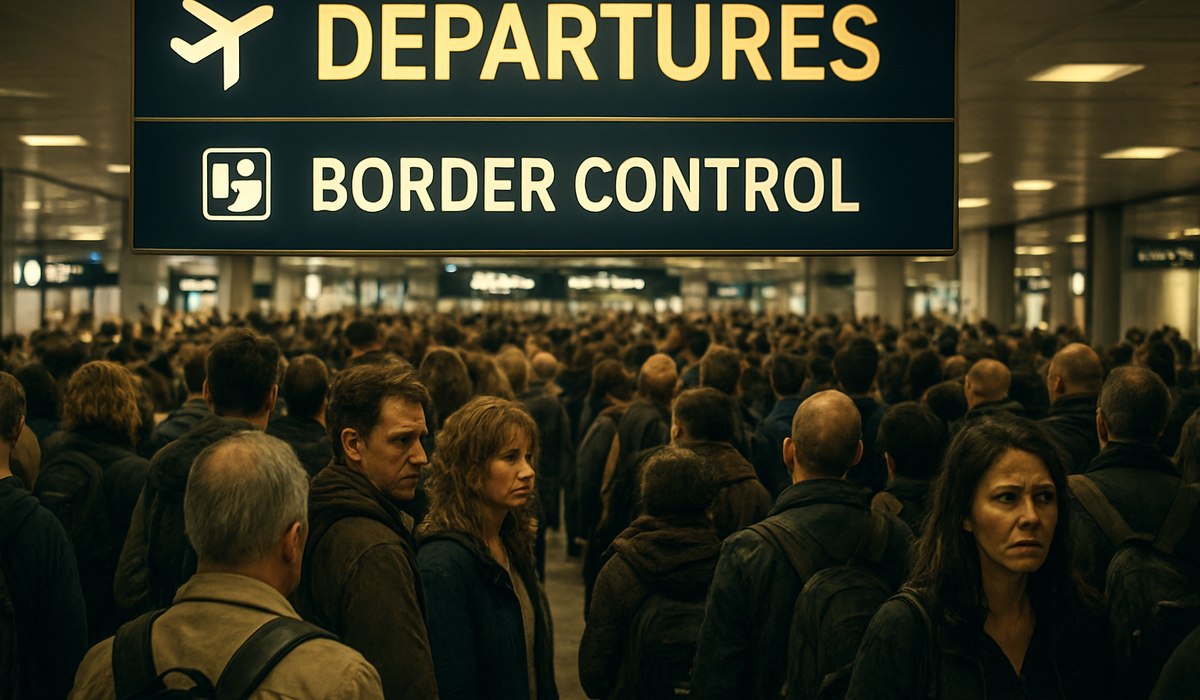
Image generated by AI
Biometric Border Chaos Strands Travelers at Milan Linate
Over 100 EasyJet passengers missed their Manchester connection after the European Union's newly operational Entry Exit System triggered catastrophic delays at Milan Linate Airport in mid-April 2026. Passengers waited in marathon passport control queues spanning hours, leaving them stranded in Italy and facing hundreds of pounds in unexpected rebooking costs. The incident marks the first major visible crisis of the EU's biometric system rollout, signaling potential disruption ahead for millions of frequent flyers and digital nomads crossing European borders.
What is the EU Entry Exit System and Why Did It Cause Delays?
The Entry Exit System (EES) replaces traditional ink passport stamps with biometric data collection for non-EU and non-Schengen nationals. When passengers from countries like the United Kingdom arrive at external EU borders, they must submit to fingerprint scanning, facial recognition capture, and biographic registration in a centralized database.
At airports like Milan Linate, this process occurs at the same border control desks travelers must clear before reaching departure gates. Reports from the April 2026 incident describe queues stretching three hours or longer during peak travel periods. Airport capacity constraints, insufficient staffing, and limited kiosk availability created bottlenecks that departed aircraft left 120+ booked passengers behind.
According to European airport association data, EES processing times significantly exceed traditional passport checks, particularly during the first registration encounter. Once biometrically registered, subsequent crossings theoretically accelerate—but implementation challenges at medium-sized airports have generated precisely the delays that industry observers warned about pre-launch. The spring travel surge coincided with full EES activation, amplifying congestion across multiple European hubs.
Visit the official EU Entry Exit System portal for detailed eligibility and process information.
The Real-World Impact: What Happened at Milan on April 20
The Manchester-bound EasyJet flight departed with approximately 120 passengers still queued at non-EU border desks, unable to reach the departure gate despite arriving hours before scheduled takeoff. Travelers reported biometric registration delays ranging from 90 minutes to three hours, with bottlenecks worsening as afternoon departures clustered.
Only a fraction of booked passengers managed to board. Those stranded faced immediate costs: additional Milan accommodation, meals, rebooking fees, and airline compensation claims. Consumer reports indicate affected travelers paid £200–£500 out of pocket for alternative flights home. EasyJet acknowledged the disruption in public statements, attributing delays to passport control bottlenecks rather than airline operations, and directed complaints through standard compensation channels.
The April 2026 Milan incident exemplifies broader pressures on outbound journeys, not just inbound arrivals. Non-EU citizens exiting the Schengen zone must still clear biometric checkpoints, creating dual choke points for departure airports handling mixed-nationality passenger volumes.
Passenger Impact: Costs and Compensation Claims
Direct Financial Costs:
- Unplanned accommodation: £80–£150 per night
- Meal and ground transport: £40–£100 daily
- Alternative flight rebooking: £150–£400+
- Total per-passenger exposure: £300–£600
EasyJet Compensation Obligations: Under EU Regulation 261/2004, passengers delayed more than three hours may claim standardized compensation: €250 for flights under 1,500 km. However, "extraordinary circumstances" (border control delays beyond airline control) can limit carrier liability. Many affected passengers face lengthy claims processes with contested responsibility between EasyJet and Italian airport authorities.
Broader Implications: Travel industry analysts warn that EES-related delays may become routine during peak seasons if capacity issues remain unresolved. Frequent travelers and digital nomads should budget additional airport arrival time and travel delay insurance into spring/summer bookings.
Who Qualifies? Understanding EES Registration Requirements
The Entry Exit System applies to non-EU and non-Schengen nationals, including:
- United Kingdom passport holders
- United States, Canadian, Australian, and other third-country citizens
- Visa-exempt travelers entering for short stays
- Passengers transferring through EU airports for onward non-Schengen flights
Exemptions:
- EU and EEA nationals (with valid national ID or passport)
- Swiss citizens
- Travelers with long-stay residence permits
First-time entrants after April 2026 activation must complete full biometric registration: fingerprint capture, facial recognition scan, and biographical data entry. This process adds 10–15 minutes per passenger under normal conditions but extends significantly during congestion.
How to Apply: Step-by-Step Guidance for Travelers
Before Travel:
- Check your passport validity (EES requires 6+ months remaining validity)
- Verify your nationality against EES eligibility criteria via the IATA Travel Centre
- Add 2–3 hours extra airport arrival time during April–September 2026
- Review your airline's published EES impact statements
At Border Control:
- Have your passport ready and easily accessible
- Expect biometric registration questions (purpose of visit, length of stay, accommodation)
- Provide fingerprints (index fingers) when prompted by border staff
- Allow facial recognition scanning without glasses, hats, or heavy makeup
- Request clarification if queue movement halts unexpectedly
After Registration:
- Retain your EES confirmation for future crossings
- Subsequent EU border entries should process faster (30 seconds–2 minutes)
- Registration data persists for three years
Digital Nomad Considerations: Frequent border crossers should document each EES registration and monitor new EU guidance on multiple entry protocols. Remote workers planning extended EU stays may benefit from long-term residence permits, which bypass biometric requirements.
Key Data: EES Disruption Timeline and Metrics
| Metric | Data Point |
|---|---|
| EES Full Activation Date | April 2026 |
| Milan Incident Date | April 20, 2026 |
| Passengers Left Behind (Milan) | 120+ |
| Reported Queue Time (Milan) | 90–180 minutes |
| Processing Time per Passenger (Normal) | 10–15 minutes |
| Processing Time per Passenger (Peak) | 25–45 minutes |
| Estimated Affected Travelers (First Month) | 500,000+ across EU airports |
| Average Compensation Claim (Milan Incident) | €250–€500 |
| Airlines Acknowledging Capacity Gaps | 15+ European carriers |
| Airports Requesting Flexibility Measures | 20+ European hubs |
What This Means for Travelers: Five Actionable Steps
-
Extend airport arrival time by 90 minutes for flights departing April–September 2026, particularly at medium-sized EU airports (Milan, Rome, Barcelona, Vienna).
-
Purchase travel delay insurance covering minimum 3-hour delays at border control. Standard airline policies exclude biometric processing disruptions.
-
Check nationality-specific EES status before booking. Third-country passport holders face mandatory biometric registration; EU citizens do not.
-
Document all biometric registrations and confirmation numbers for future EU border crossings. This expedites subsequent entries and supports compensation claims if delays recur.
-
Monitor your airline's EES operational updates via official website announcements. EasyJet and other major carriers are publishing real-time guidance as delays continue.
Disclaimer
This article is for informational and educational purposes only. It does not constitute legal, financial, or professional advice. While we strive to provide accurate and up-to-date information, travel policies, regulations, and conditions change rapidly. Always verify information with official sources before making travel decisions. Nomad Lawyer makes no representations about the accuracy, reliability, completeness, or suitability of the information provided. Readers should consult qualified professionals for advice specific to their circumstances. The views expressed in this article are those of the author and do not necessarily reflect the views of Nomad Lawyer.
Preeti Gunjan
Contributor & Community Manager
A passionate traveller and community builder. Preeti helps grow the Nomad Lawyer community, fostering engagement and bringing the reader experience to life.
Learn more about our team →