
Beyond the Summer Rush: Top European Destinations for Authentic Off-Peak Travel in 2026
Discover why visiting Italy, Spain, and England in September and October offers a superior travel experience with fewer crowds and authentic cultural immersion.

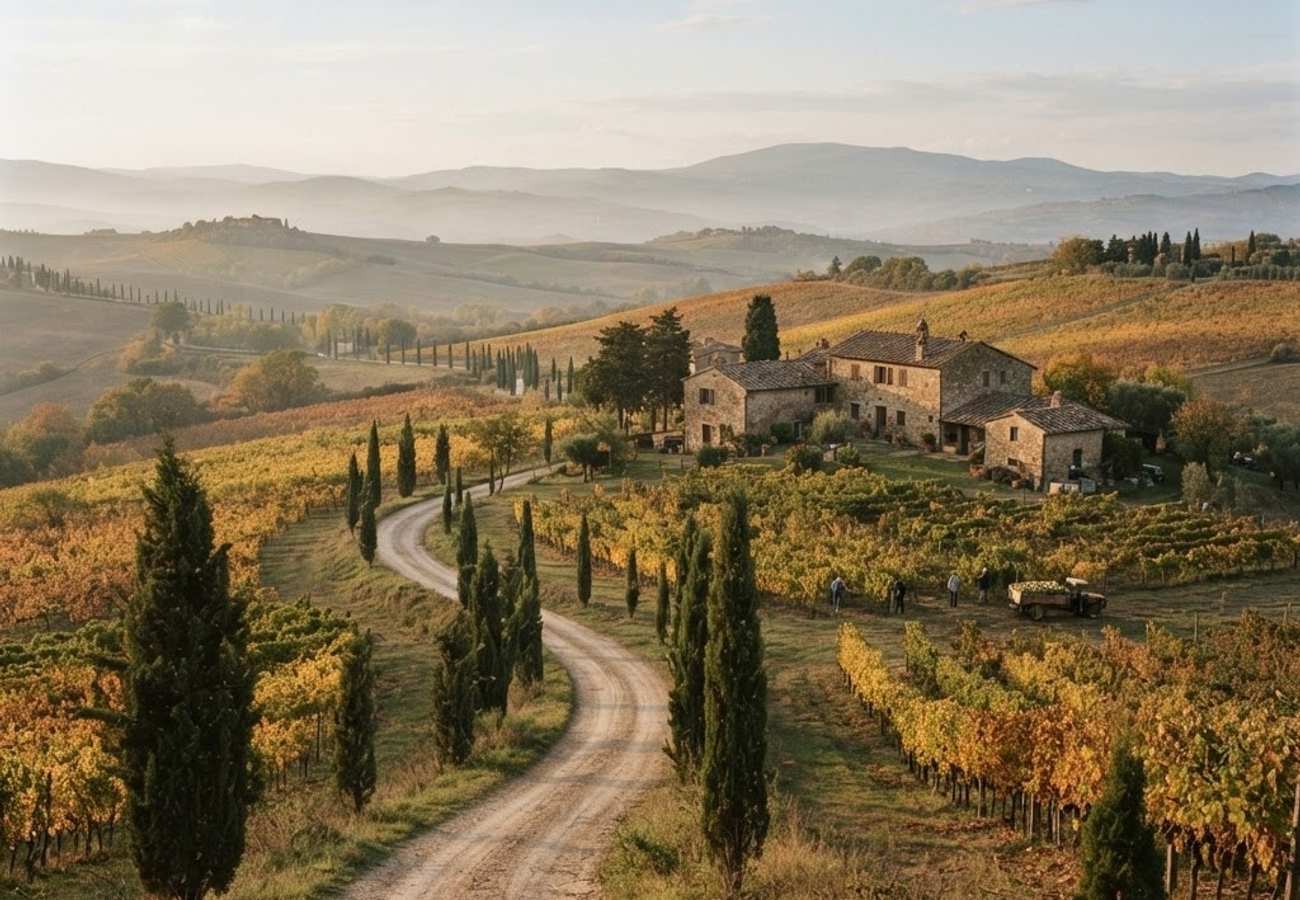
Image generated by AI
The secret to experiencing Europe's most iconic landmarks without the suffocating crowds lies in the transition to autumn. Late September and October transform "tourist traps" into authentic cultural hubs with milder weather and accessible luxury.
The traditional European summer—defined by seaside escapes and outdoor dining—has reached a saturation point. In recent years, the sheer volume of visitors during July and August has compromised the very charm that attracts travelers, leading to gridlocked coastal roads, fully booked restaurants, and overcrowded historic centers.
However, the shift into the shoulder season fundamentally alters the travel dynamic. As the peak crowds dissipate, the infrastructure of these famous regions breathes again, offering a more personalized level of service and a genuine connection to local traditions.
Strategic Advantages of Autumn Exploration
Traveling in late September and October provides several systemic benefits over the summer peak:
- Environmental Comfort: Milder temperatures make urban exploration and hiking physically sustainable throughout the day.
- Operational Ease: The disappearance of "peak pressure" means restaurants no longer require weeks of advance booking and public transport is more navigable.
- Cultural Access: Travelers can transition from being passive observers in a crowd to active participants in regional customs, such as the wine harvests.
- Logistical Flexibility: Accommodation availability increases, often leading to better value and more curated stays.
Regional Spotlights: The Post-Summer Transformation
London, England: A Cultural Renaissance
While London is a year-round hub, the window between September and October marks a specific energy shift. As the summer tourist surge recedes, the city pivots toward its professional and creative calendar, featuring a dense concentration of fashion events, high-profile exhibitions, and new theater productions.
The erratic heat of a British summer is replaced by crisp mornings and clearer skies, making neighborhoods like Belgravia and Soho more pleasant for pedestrian exploration. Visitors can navigate major museums and the expansive greenery of Hyde Park without the density of the July peak.
Sicily, Italy: Mediterranean Authenticity
Sicily often struggles under the weight of both international tourists and domestic Italian vacationers in August. High-traffic zones like Taormina and Noto frequently reach a breaking point during this period.
By October, the island returns to its natural rhythm. The decline in temperature makes the ascent of Mount Etna or the exploration of the Valley of the Temples far more comfortable. This period allows for a slower, more genuine engagement with Sicilian life, from exploring Baroque towns in the Val di Noto to visiting coastal villages like Cefalù without the summer congestion.
Mallorca, Spain: Tranquility in the Balearics
Mallorca’s turquoise coves and dramatic cliffs are often overshadowed by the volume of visitors in July and August. The transition to autumn reveals a more serene version of the island.
For active travelers, the shoulder season is the optimal time for cycling and hiking. The rugged terrains of the Serra de Tramuntana become more accessible, and the historic wooden tram route between Sóller and the mountains offers a relaxing experience devoid of the summer queues.
Tuscany, Italy: The Magic of the Vendemmia
Tuscany in autumn is defined by the vendemmia (grape harvest). This is not merely a scenic change but a cultural event where visitors can witness traditional winemaking practices firsthand.
The region's urban centers, including Florence and Arezzo, become significantly more navigable. Meanwhile, the countryside—specifically the Val d’Orcia—transforms into a tapestry of autumn colors. Villages like Pienza and Montalcino offer an intimate look at regional viticulture, while the coast remains warm enough for luxury stays without the peak-season noise.
Comparative Travel Dynamics: Peak vs. Shoulder Season
| Feature | Peak Summer (July - August) | Shoulder Season (Sept - Oct) |
|---|---|---|
| Crowd Density | Extreme; narrow streets often impassable | Moderate; manageable foot traffic |
| Dining/Booking | Reservations required weeks in advance | High availability; spontaneous dining possible |
| Climate | Intense heat; potential for discomfort | Mild, crisp, and ideal for walking |
| Local Interaction | Transactional; high-pressure service | Personalized; more time for cultural exchange |
| Primary Activity | Beach-centric and sightseeing | Harvest festivals, hiking, and urban culture |
Key Takeaways for the Modern Traveler
- Prioritize the "Shoulder": Target late September and October to balance favorable weather with lower crowd density.
- Focus on Agritourism: Use the Tuscany harvest season to engage with authentic agricultural traditions.
- Reclaim the City: Visit major capitals like London during their cultural "re-opening" phase in autumn.
- Slow Down in the South: Use the cooling temperatures in Sicily and Mallorca to explore hinterlands and mountain ranges that are too hot in August.
Frequently Asked Questions
Is the weather still warm enough for beaches in October? Yes, particularly in Mediterranean destinations like Sicily, Mallorca, and the Amalfi Coast, where the sea retains summer warmth well into October.
Are all tourist attractions open during the off-peak season? Most major museums, galleries, and historic sites remain open. Some seasonal beach resorts may close, but the primary cultural infrastructure remains fully operational.
Is it cheaper to travel in autumn? Generally, yes. While luxury hotels maintain high standards, overall accommodation availability increases, and there is often more flexibility in pricing compared to the rigid peaks of August.
Escape the noise and rediscover the soul of Europe when the crowds go home.
Related Travel Guides
Disclaimer
This article is for informational and educational purposes only. It does not constitute legal, financial, or professional advice. While we strive to provide accurate and up-to-date information, travel policies, regulations, and conditions change rapidly. Always verify information with official sources before making travel decisions. Nomad Lawyer makes no representations about the accuracy, reliability, completeness, or suitability of the information provided. Readers should consult qualified professionals for advice specific to their circumstances. The views expressed in this article are those of the author and do not necessarily reflect the views of Nomad Lawyer.
Naina Thakur
Contributor & Travel Specialist
Travel enthusiast and legal writer covering visa regulations, responsible tourism, and cultural journeys across global destinations.
Learn more about our team →