
These Are the Best Places to See Wildlife in Brazil—Pink Dolphins, Spider Monkeys, and Macaws Included, According To Reddit, Pinterest and quora in 2026

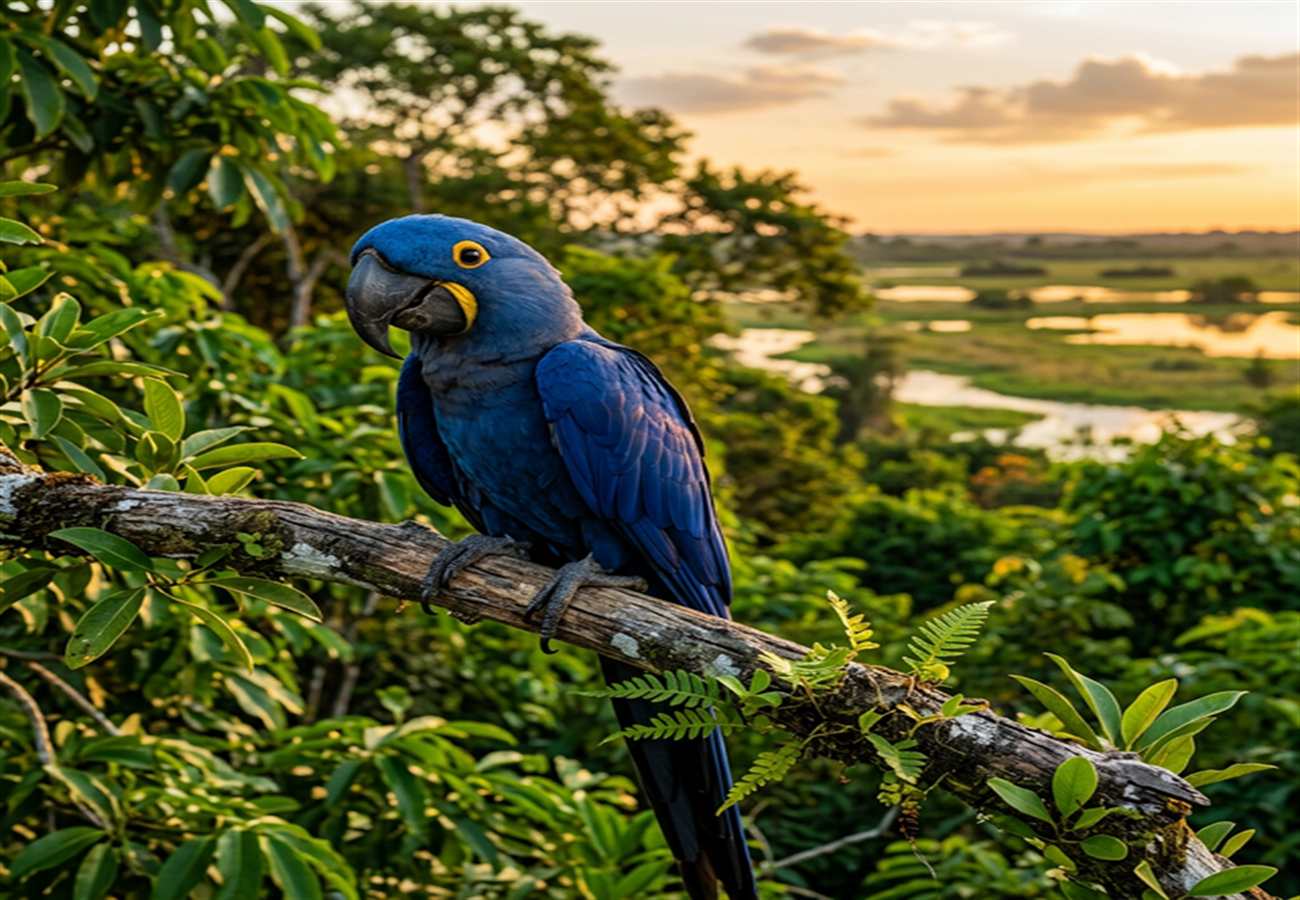
Image generated with AI
Brazil is a continent-sized playground for nature lovers. Hosting more than 20% of the world’s total biodiversity, it’s the place where the term "wildlife adventure" truly finds its meaning. But as any traveler scrolling through r/Travel or reading deep-dive threads on Quora will tell you, Brazil isn't just one big jungle. It’s a complex mosaic of ecosystems—from the dense, flooded forests of the Amazon to the vast, open wetlands of the Pantanal and the dramatic falls of Iguazu. In 2026, the trend in Brazilian travel has shifted toward "ethical observation." Gone are the days of forced animal interactions; savvy travelers are now looking for the places where they can witness the "Big Three"—Pink Dolphins, Spider Monkeys, and Macaws—in their most natural and pristine states.
According to the latest online communities and visual guides on Pinterest, the primary debate for 2026 remains Amazon vs. Pantanal. While the Amazon is iconic for its raw, untamed jungle scale and indigenous history, the Pantanal is increasingly becoming the favorite for those who actually want to see the animals rather than just hear them in the canopy. The Pantanal's open vistas allow for a 'safari-style' experience that is unparalleled in South America. To help you navigate this massive destination, we’ve synthesized the best local insights, Reddit-tested itineraries, and expert conservation tips into the definitive guide for seeing Brazil’s most legendary wildlife in 2026.
The Mystery of the Amazon: Pink Dolphins and Spider Monkeys
The Amazon Rainforest is the heart of the world's biodiversity, and for many, the ultimate goal is to see the "Boto Cor-de-Rosa"—the legendary Pink River Dolphin. Unlike their grey saltwater cousins, these freshwater dolphins are naturally shy and possess a striking pink hue caused by capillary beds near the surface of their skin. They are also steeped in local folklore; according to Amazonian legend, the Boto can transform into a handsome man wearing a hat to seduce women on the riverbanks at night.
Where to Find Pink Dolphins in 2026
The best gateway for dolphin spotting is Manaus, the capital of Amazonas. From here, you can take boat tours into the 'meeting of the waters' where the black Rio Negro meets the sandy Rio Solimões.
- Novo Airão: Experts on Reddit recommend this town for a more ethical experience. Local regulations in 2026 have restricted direct swimming to protect the dolphins' health and prevent skin infections from sunscreen, but you can still watch them from specialized observation decks where they are known to gather naturally.
- Mamirauá Sustainable Development Reserve: For those seeking total isolation, this reserve near Tefé offers the most immersive experience. In 2026, it remains the gold standard for seeing pink dolphins in the "flooded forest" during the high-water season (typically April to June) when the river expands into the trees.
Spotting Spider Monkeys
Spider monkeys are the acrobats of the Amazon, known for their long limbs and prehensile tails that act like a fifth hand. They live high in the canopy, making them some of the most difficult primates to photograph. Quora: "If you want to see spider monkeys, you need to head deep into primary forest. The closer you are to a major city like Manaus, the more likely you are to see smaller marmosets or cappuchins. We stayed at a remote lodge in the Jaú National Park and saw entire families of Black Spider Monkeys swinging through the treetops. Look for movement in the highest branches—they move with an elegance that is almost ghost-like."
The Pantanal: A Safari in the Wetlands (Jaguars and Macaws)
While the Amazon is about the experience of the jungle, the Pantanal is about the visibility of the wildlife. Because the landscape is dominated by open wetlands and low-lying scrub, spotting animals here is significantly easier. This is the undisputed capital of the Hyacinth Macaw—the world's largest parrot.
The Macaw Masterclass in Bonito
If you have Macaws on your 2026 bucket list, there is one destination that stands above the rest: Bonito in Mato Grosso do Sul.
- Buraco das Araras (Sinkhole of the Macaws): This massive, 320-foot-deep sandstone sinkhole is home to dozens of pairs of Red-and-Green Macaws. Pinterest Travel Tip: "The best time for photos is early morning or late afternoon. The sight of dozens of vibrant red and blue wings catching the golden light as they circle the sinkhole is something you’ll never forget. It’s the ultimate 'Pinterest-perfect' birdwatching spot."
The Jaguar of Porto Jofre
In 2026, the Northern Pantanal (accessible via Cuiabá) remains the world's best place to see the Jaguar. Specifically, the area around Porto Jofre at the end of the Transpantaneira Highway. During the dry season (June to October), these massive cats congregate on the riverbanks to hunt caiman, making sightings almost a daily occurrence.
Hidden Gems for 2026: Beyond the Big Names
If you want to escape the main tourist corridors, Reddit users suggest these "off-the-beaten-path" wildlife havens:
- Bonito’s Crystal Rivers: While known for macaws, Bonito's Rio da Prata offers snorkeling in water so clear it feels like flying. You’ll be surrounded by golden Dorado fish and the occasional giant river otter, often referred to as the 'jaguars of the river.'
- Serra da Canastra: Located in Minas Gerais, this is the best place to see the Giant Anteater and the rare Maned Wolf. It’s a high-altitude savanna with dramatic waterfalls that feel completely different from the tropical lowlands.
- Ilha Grande: For those staying near Rio, this island offers a chance to see Howler Monkeys in the Atlantic Forest. You’ll hear their deep, guttural calls echoing through the jungle canopy before you ever spot them.
- Iguazu Falls National Park: Often overlooked as a wildlife spot, the trails around the falls are teeming with life. In 2026, Reddit users highlight the colorful Toucans and the mischievous Coatis that roam the walkways. For bird enthusiasts, the nearby Parque das Aves provides a stunning introduction to macaws and hummingbirds in an ethical, rescue-focused environment.
- Abrolhos Marine National Park: If you’re visiting between July and November, the coast of Bahia is the place to see Humpback Whales nursing their calves in the warm Atlantic waters. The marine diversity around the coral reefs is a secret treasure of the Brazilian coast.
Expert Travel Tips for Brazil in 2026
- Dry Season is King: For both the Amazon and the Pantanal, the dry season (June to October) is the best time for wildlife viewing. As water sources shrink, animals are forced to congregate around the remaining pools and rivers.
- Logistics Advice (Cuiabá vs. Campo Grande): If you want Jaguars, fly to Cuiabá. If you want Macaws, giant anteaters, and snorkeling, fly to Campo Grande (to reach Bonito and the Southern Pantanal).
- Health and Vaccinations: In 2026, Yellow Fever and Malaria precautions are still essential for the Amazon. Check with a travel clinic at least two months before departure.
- Ethical Photography: Many Reddit threads warn against tours that "guarantee" a photo with a sloth or dolphin for a fee. These are often exploitative. Choose tours with "sustainable" or "ecological" in their naming, and always check recent reviews for mentions of animal welfare.
- Binoculars are Non-Negotiable: Even in the open Pantanal, a good pair of 8x42 binoculars will transform your experience. Don't rely on your phone's zoom—it won't do these animals justice.
- Dress for the Jungle: Lightweight, long-sleeved clothing is your best defense against mosquitoes. In 2026, "Permethrin-treated" clothing is the pro-traveler choice for keeping the bugs at bay.
- Learn a Little Portuguese: While guides at top lodges will speak English, knowing basic phrases in Portuguese will go a long way with the locals and the boat captains.
Brazil in 2026 is a destination that requires respect as much as it requires wonder. By choosing the quiet observation of a pink dolphin in the Rio Negro or the vibrant flight of a macaw in Bonito, you aren't just visiting a country—you are participating in the protection of the world's most precious natural heritage.
The jungle is calling, the jaguars are waiting, and the macaws are ready for their close-up—make 2026 the year you find your wild heart in Brazil.
Related Travel Guides
Disclaimer
This article is for informational and educational purposes only. It does not constitute legal, financial, or professional advice. While we strive to provide accurate and up-to-date information, travel policies, regulations, and conditions change rapidly. Always verify information with official sources before making travel decisions. Nomad Lawyer makes no representations about the accuracy, reliability, completeness, or suitability of the information provided. Readers should consult qualified professionals for advice specific to their circumstances. The views expressed in this article are those of the author and do not necessarily reflect the views of Nomad Lawyer.
Kunal K Choudhary
Co-Founder & Contributor
A passionate traveller and tech enthusiast. Kunal contributes to the vision and growth of Nomad Lawyer, bringing fresh perspectives and driving the community forward.
Learn more about our team →