
New England Gateways: Eight Essential Day Trips from Boston
Boston hosted 38.7 million visitors in 2025, serving as the gateway to New England. Explore Salem, Concord, Cape Cod, and Newport day-trip guides.

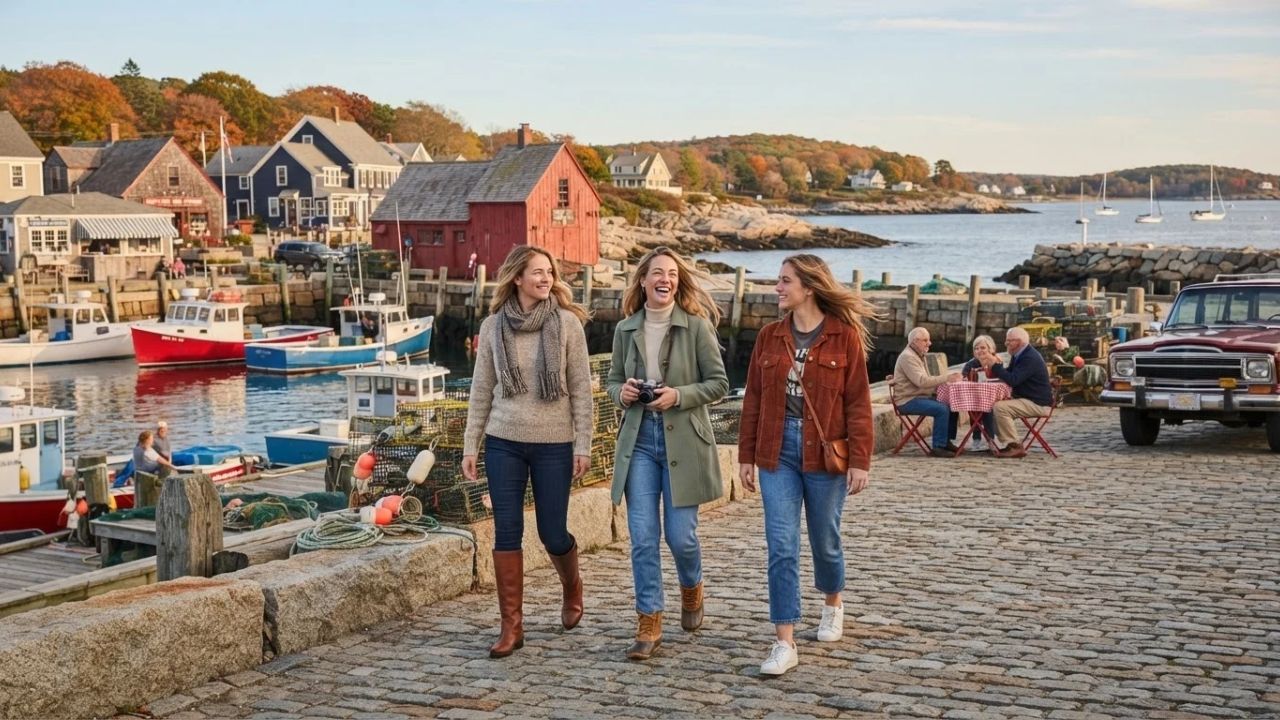
Image generated by AI
Boston hosted 38.7 million domestic visitors in 2025 who generated $14.08 billion in spending, establishing the city as the ultimate launchpad for exploring New England. From the historic witch trials of Salem to the protected dunes of Cape Cod, these eight day-trip escapes allow travelers to experience the region's cultural heritage.
The Evolution of the Hub-and-Spoke Travel Model
A growing travel trend in urban tourism focuses on the "hub-and-spoke" model. Instead of changing hotels repeatedly as they explore a region, travelers choose a central city with strong transit links as their base. Boston is well-suited for this approach, backed by its domestic visitor volume and the 43.24 million passengers handled by Boston Logan International Airport in 2025.
By choosing Boston as a base, visitors can combine urban experiences with day trips to historic towns, protected coastlines, and neighboring states. This strategy distributes tourism spending beyond the metropolitan core, supporting small businesses and cultural heritage sites across Massachusetts, Rhode Island, and New Hampshire, while reducing the logistical challenges of multi-destination travel.
Salem: Maritime Trade and Colonial History
Located approximately 16 miles north of Boston, Salem is one of the region's most accessible day trips. While internationally recognized for the witch trials of 1692, the city features a rich history that extends beyond this single period:
- Maritime Heritage: The Salem Maritime National Historic Site preserves the historic piers, warehouses, and customs houses that supported the nation's early global trade.
- Art and Culture: The Peabody Essex Museum houses collections of maritime art, Asian export art, and historic structures.
- Car-Free Transit: Travelers can reach Salem via the MBTA commuter rail or the seasonal Salem Ferry, offering a convenient transit option that avoids regional highway traffic.
Concord and Lexington: Revolutionary Battlefields and Literature
Located 20 to 25 miles west of Boston, Concord provides a deep look at both the American Revolution and 19th-century American literature:
- Minute Man National Historical Park: Situated approximately 16 miles west-northwest of Boston, the park preserves the battlefields where the opening conflicts of the Revolutionary War occurred in 1775.
- Literary History: Concord was home to prominent American writers, including Ralph Waldo Emerson, Louisa May Alcott, and Henry David Thoreau, whose historic homes are open for tours.
- walkable Exploration: The town center connects historic sites with nature preserves, allowing families to combine educational tours with walking excursions.
Cape Cod: Dunes, Villages, and the National Seashore
Cape Cod, located 70 to over 110 miles from Boston, represents a more ambitious day trip. Due to the distance, visitors should focus on one area—such as the harbor town of Chatham or the art colony of Provincetown—rather than trying to cover the entire peninsula in a single day:
- Protected Coastline: The Cape Cod National Seashore preserves 40 miles of pristine sandy beaches, pine barrens, and glacial ponds. The park recorded 3.68 million recreation visits in 2025.
- Economic Impact: Agritourism and coastal recreation support local gateway communities. In 2024, 3.8 million visitors spent $598 million in towns near the seashore, generating $754 million in total economic benefit and supporting 5,385 jobs.
- Summer Transit: Travelers can avoid highway traffic during the summer by utilizing seasonal passenger ferry services from Boston to Provincetown.
Rockport and Gloucester: Rugged Atlantic Coastline
For travelers seeking maritime scenery, the North Shore towns of Rockport and Gloucester (located 40 to 45 miles from Boston) offer a compelling coastal contrast to the city:
- Gloucester: Celebrated as America's oldest working seaport, the town is a premier destination for whale watching, deep-sea fishing, and historic harbor tours.
- Rockport: The quiet village features art galleries, independent boutiques, and the historic Motif No. 1, a red fishing shack that has long served as a subject for artists and photographers.
Plymouth: Early Colonial Settlement
Located 40 miles south of Boston, Plymouth focuses on the early colonial history of New England. A typical day trip combines the historic waterfront—where the Mayflower II is moored—with museums that detail the interactions between the Pilgrims and the Wampanoag people, expanding the historical narrative beyond the Revolutionary era.
Newport: Gilded Age Estates and Sailing Culture
Newport, Rhode Island, located 65 to 70 miles south of Boston, offers a distinct lifestyle experience. The city is famous for its Gilded Age mansions—grand summer cottages built by America's wealthiest families during the late 19th century—which are located along the scenic Cliff Walk. Visitors can also explore Newport's historic sailing harbor, international yachting museum, and dining scene, crossing a state border in a single day's excursion.
Portsmouth: Historic New Hampshire Seaport
Located 60 to 65 miles north of Boston, Portsmouth, New Hampshire, provides a compact, cross-border alternative. The city’s historic center features brick walkways, outdoor dining, and independent bookstores. The Strawbery Banke Museum offers a look at local life across four centuries, making the town an attractive stop for history enthusiasts and food travelers alike.
Sustainable Regional Exploration and Community Support
For the visitor, the real impact of planning regional day trips is the support provided to local historical societies, state parks, and independent merchants. Using public transport options—such as commuter rail networks or seasonal passenger ferries—helps manage traffic congestion and carbon emissions along Massachusetts' coastal routes.
Furthermore, visitor spending at local farm stands, craft breweries, and family-owned restaurants keeps tourism dollars within the host communities, supporting the preservation of New England's historic landscapes and working waterfronts.
For example, you can explore the changing dynamics of US Cities Drive Global Tourism Through BBQ, Jazz, Sports, and Authentic Heritage to see how regional pride is shaping travel. For budget-conscious travelers, aligning slow city travel with municipal transit options mirrors similar regional initiatives, such as the Free Admission at Select US State Parks programs. This trend is similar to the tourism growth seen in other destinations, as detailed in our guide on how Utica, New York Emerges as an Affordable Northeast Tourism Hub.
Visitor Insider Tips: Coordinating Your Day Trips
To ensure a smooth and efficient regional itinerary, keep these practical tips in mind:
- Utilize Commuter Rail: Save time and avoid parking struggles by taking the commuter rail from Boston's North Station to Salem, or South Station to Concord.
- Book Ferry Tickets Early: Seasonal passenger ferries to Salem and Provincetown are popular during summer weekends. Purchase tickets online in advance to secure your departure time.
- Avoid Peak Traffic Windows: If driving a rental vehicle to Cape Cod or Newport, depart Boston before 7:00 AM and plan your return after 7:00 PM to avoid commuter traffic.
- Check Seasonal Hours: Many historic properties, mansions, and museums in New England operate on seasonal schedules. Verify opening hours online before departure, especially in the spring and autumn.
- Download QR Codes and Tickets: Mobile coverage can be spotty in remote areas of Cape Cod or historic sites in Concord. Download digital transit tickets and park passes to your phone before leaving Boston.
Long-Term Outlook for New England Agritourism
The long-term outlook for regional travel from Boston is strong, driven by the ongoing interest in authentic history, local food networks, and outdoor recreation. As transportation links continue to improve, smaller communities will remain key destinations for travelers seeking to discover the region beyond the city.
By balancing visitor services with the conservation of historic and natural resources, New England's towns can ensure that day-trip tourism remains a valuable economic asset.
FAQ
Which is the easiest car-free day trip from Boston?
Salem is the most convenient car-free option, accessible via commuter rail from North Station or the seasonal Salem Ferry.
How far is Newport, Rhode Island, from Boston?
Newport is located approximately 65 to 70 miles south of Boston, making it an accessible day trip for travelers with a vehicle.
What is the significance of Minute Man National Historical Park?
Located in Concord, the park preserves the battlefields of the opening skirmishes of the American Revolution in 1775.
Are reservations needed for Cape Cod National Seashore?
No reservations are required to visit the national seashore, though parking fees apply at designated beaches during the summer season.
Keep track of the shifting trends in regional travel and New England destinations.
Related Travel Guides
Disclaimer
This article is for informational and educational purposes only. It does not constitute legal, financial, or professional advice. While we strive to provide accurate and up-to-date information, travel policies, regulations, and conditions change rapidly. Always verify information with official sources before making travel decisions. Nomad Lawyer makes no representations about the accuracy, reliability, completeness, or suitability of the information provided. Readers should consult qualified professionals for advice specific to their circumstances. The views expressed in this article are those of the author and do not necessarily reflect the views of Nomad Lawyer.
Raushan Kumar
Founder & Lead Developer
Full-stack developer with 11+ years of experience and a passionate traveller. Raushan built Nomad Lawyer from the ground up with a vision to create the best travel and law experience on the web.
Learn more about our team →