
Beaches Italy Medieval: Liguria's Hidden Gem Between Genoa and Nice
A secret medieval village in Liguria combines golden beaches italy mediterranean charm with historic architecture, drawing travelers seeking peaceful coastal escapes in 2026 away from crowded tourist zones.

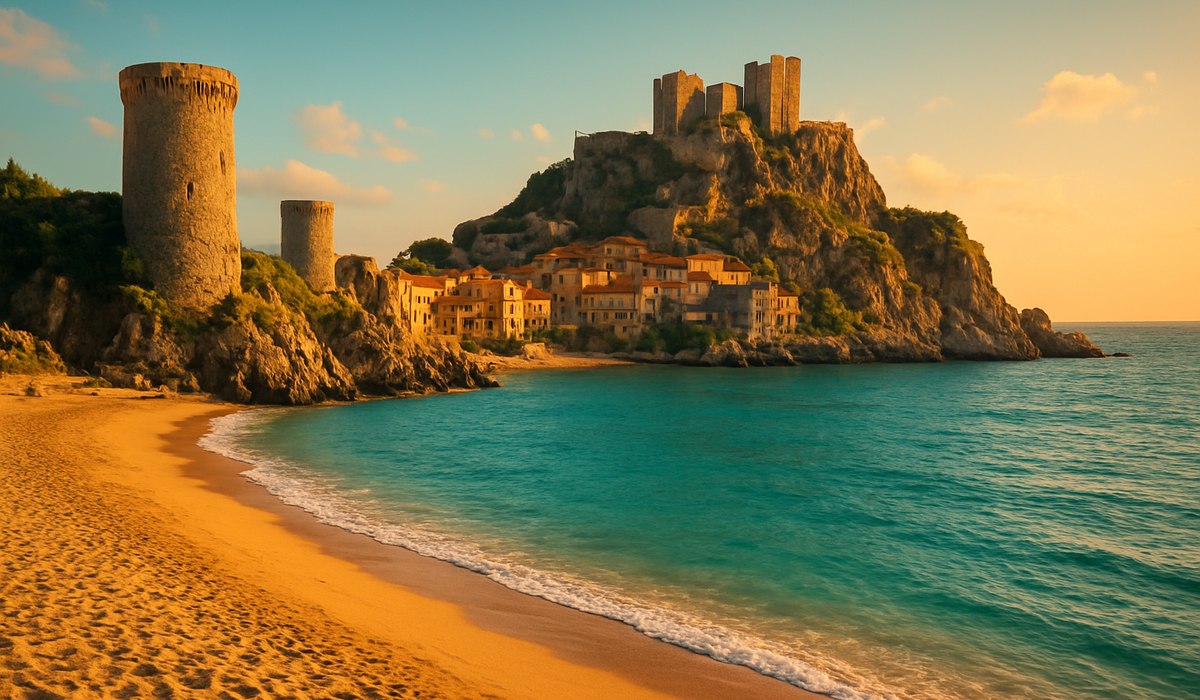
Image generated by AI
A Mediterranean Escape Emerges Between Europe's Major Hubs
Liguria's lesser-known medieval village is capturing attention among discerning travelers seeking authentic coastal experiences in 2026. Nestled between the bustling port city of Genoa and the French Riviera's Nice, this charming Ligurian settlement offers what many Mediterranean destinations no longer deliver: genuine tranquility paired with architectural heritage. The village combines pristine golden beaches with a beautifully preserved medieval old town, complete with historic towers and a commanding castle that overlooks the sparkling Ligurian Sea. Unlike the crowded beaches of nearby major tourist destinations, this peaceful village remains relatively undiscovered, making it an ideal refuge for travelers prioritizing authenticity over accommodation capacity.
Medieval Architecture and Historic Charm
The heart of this destination pulses through its meticulously preserved medieval quarter, where narrow cobblestone streets wind between centuries-old stone structures. Ancient towers punctuate the skyline, remnants of the village's defensive past when Mediterranean pirates posed genuine threats to coastal settlements. The castle that dominates the landscape tells stories of strategic importance during medieval trade routes, when Genoa's maritime power extended across the entire region.
Walking through the village reveals original architectural details: arched passageways, carved stone doorways, and residential buildings dating back five centuries. Local craftspeople maintain traditional restoration techniques, ensuring the medieval character remains authentic rather than commercialized. The village's small scale—manageable on foot within an hour—makes exploration intimate and rewarding. Unlike larger Italian medieval towns that attract tour bus crowds, this charming village allows genuine cultural immersion for visitors seeking to experience everyday Mediterranean life as it unfolds.
Golden Beaches and Coastal Beauty
The beaches here represent the destination's most compelling attraction for summer travelers. Golden sand stretches along protected coves where Mediterranean waters maintain remarkable clarity and calm conditions. The beach's relatively small size creates natural crowd control—capacity limitations naturally preserve the peaceful atmosphere that distinguishes this location from overbuilt resort areas.
Water temperatures reach comfortable swimming conditions from June through September, with peak warmth in August. The beach infrastructure remains minimal intentionally, featuring only essential amenities rather than commercialized beach clubs common along the Côte d'Azur. Local restaurants with seaside terraces serve fresh seafood caught daily by fishing boats that still operate from the harbor, maintaining traditions unchanged for generations. The combination of medieval architecture visible from the shore and pristine swimming conditions creates Instagram-worthy moments without the Instagram-crowd experience.
Best Time to Visit
Late spring through early autumn offers ideal conditions for beaches italy mediterranean exploration. May and September deliver particular advantages: water temperatures support comfortable swimming while summer peak crowds have either not yet arrived or have departed. June temperatures average 24-26°C (75-79°F), perfect for coastal activities without extreme heat. July and August, while warmest, attract increased visitor numbers, though the village never reaches saturation point compared to major Mediterranean resort towns.
Winter months (November-February) present mild Mediterranean weather with temperatures around 12-14°C (54-57°F). While beach swimming becomes uncomfortable, the medieval village retains authentic charm as locals outnumber tourists. Spring wildflowers bloom across surrounding hillsides from March onward, creating scenic hiking opportunities that complement beach days.
How to Get There
Genoa International Airport (Cristoforo Colombo) lies approximately 100 kilometers south, accessible by rental car in roughly 90 minutes via the A12 motorway. Nice Côte d'Azur Airport serves as an alternative gateway, positioned 140 kilometers west, requiring similar driving time. Both airports offer comprehensive European flight connections, making the village accessible from major continental hubs.
Regional train service connects Genoa to the village's nearest station, with local bus transfers covering the final kilometers. This public transportation route suits travelers preferring vehicle-free travel. Driving allows flexible exploration of surrounding Ligurian villages and coastal viewpoints along the dramatic Via dell'Amore hiking trail. From Genoa or Nice, the journey transitions through increasingly scenic countryside as travelers approach the coast.
Where to Stay and Eat
Accommodation options reflect the village's modest size, featuring family-run guesthouses and small hotels rather than international chains. Local proprietors provide personalized service and insider knowledge about hidden beaches and seasonal events. Booking well in advance, particularly for June-August periods, ensures availability at preferred locations.
Dining emphasizes fresh seafood and Ligurian specialties including pesto-based pasta dishes, focaccia, and locally caught fish. The village's handful of restaurants maintain reservation-only policies during peak season, preserving quality over quantity in their operations. Grocery markets near the town center stock regional wines, artisan cheeses, and fresh produce from nearby farms, enabling self-catering options for villa rentals.
Key Data at a Glance
| Aspect | Details |
|---|---|
| Primary Keyword Location | Beaches Italy Medieval village, Liguria region |
| Distance from Genoa | Approximately 100 kilometers north |
| Distance from Nice | Approximately 140 kilometers west |
| Peak Tourist Season | July-August; May and September ideal for crowd-avoiding travelers |
| Water Temperature (Summer) | 22-24°C (72-75°F) |
| Medieval Architecture | Tower systems, defensive castle, original stone structures dating 5+ centuries |
| Beach Characteristics | Golden sand, protected coves, natural crowd limitations, minimal commercial infrastructure |
| Nearest Airport | Genoa (100 km), Nice (140 km) |
| Best Transportation Method | Rental car or regional train with local transfers |
| Accommodation Style | Family-run guesthouses, small regional hotels, villa rentals |
What This Means for Travelers
This emerging destination addresses a genuine gap in Mediterranean travel options for 2026:
-
Authenticity Premium: Travelers prioritizing genuine medieval charm over commercialized "historic villages" will find uncompromised architectural integrity and local culture preserved through organic living rather than tourism-driven restoration.
-
Crowd Avoidance: Visitors seeking peaceful beaches italy mediterranean experiences without resort-town atmosphere gain access to golden sand beaches with manageable capacity that naturally prevents overcrowding.
-
Strategic Positioning: The location between Genoa and Nice enables European city-hopping itineraries, allowing travelers to combine medieval village immersion with urban exploration of larger Mediterranean centers.
-
Seasonal Flexibility: May-September weather supports beach activities while shoulder seasons (May, September) provide optimal visiting conditions with minimal tourist congestion.
-
Value Proposition: Accommodation and dining costs remain significantly lower than nearby famous destinations, extending travel budgets while maintaining high-quality experiences.
Frequently Asked Questions
What makes this Ligurian village different from other Italian medieval coastal towns?
This village maintains authentic medieval character without heavy commercialization. Its small size naturally limits tourist capacity, preserving peaceful atmosphere and genuine local culture. Unlike renovated medieval towns operating as tourist attractions, this destination functions as a lived-in community where residents outnumber seasonal visitors year-round.
Are the beaches suitable for families with young children?
Yes. Protected coves create calm water conditions ideal for children's swimming. The beach's modest size ensures families find less crowded areas easily. Minimal wave action and sandy bottom provide safety advantages over larger Mediterranean beaches. Essential amenities exist without overwhelming commercial infrastructure.
Can travelers visit without rental cars?
Yes. Regional train stations provide service to nearby towns with bus connections to the village. Once arrived, the entire medieval quarter and beach are walkable. This public transportation option suits travelers preferring vehicle-free travel, though rental cars enable broader Ligurian exploration.
When is the best time for budget-conscious visitors?
May and September offer ideal conditions: comfortable weather, beautiful Mediterranean conditions, and significantly reduced accommodation prices compared to July-August peak season. Winter months provide lowest costs, though
Disclaimer
This article is for informational and educational purposes only. It does not constitute legal, financial, or professional advice. While we strive to provide accurate and up-to-date information, travel policies, regulations, and conditions change rapidly. Always verify information with official sources before making travel decisions. Nomad Lawyer makes no representations about the accuracy, reliability, completeness, or suitability of the information provided. Readers should consult qualified professionals for advice specific to their circumstances. The views expressed in this article are those of the author and do not necessarily reflect the views of Nomad Lawyer.
Kunal K Choudhary
Co-Founder & Contributor
A passionate traveller and tech enthusiast. Kunal contributes to the vision and growth of Nomad Lawyer, bringing fresh perspectives and driving the community forward.
Learn more about our team →