Bangkok Suvarnabhumi Airport Runway Damage: China Airlines Incident, Reopening Timeline, and Passenger Rights

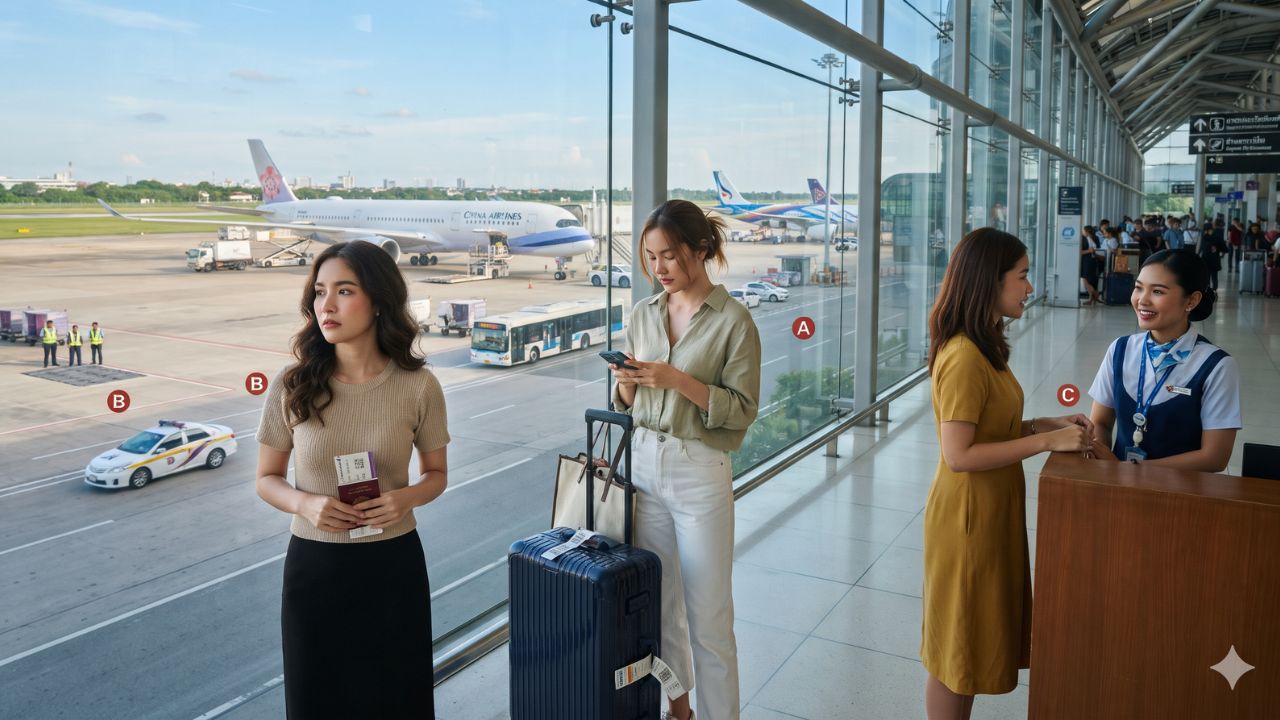
While Bangkok's Suvarnabhumi Airport handles more than 1,000 aircraft movements daily across its massive airfield, a localized runway surface failure near taxiway E21 immobilised a departing China Airlines aircraft on 28 October 2026, forcing ground handlers to push back four trailing airliners and delaying five scheduled departures by approximately two hours. Airport ground operations rapidly rerouted departing and arriving traffic to parallel runway 02L, preventing an airfield-wide gridlock while maintenance engineers sealed the degraded pavement. Airports of Thailand projected a provisional reopening of the repaired runway 02R sector around 6:00 PM on 29 October 2026, conditioned upon rigorous load-bearing safety evaluations and clearance from civil aviation regulators.
The Operational Disruption: Runway 02R Emergency Response
The disruption unfolded during morning departure banks when the China Airlines aircraft encountered a broken asphalt section adjacent to the junction of runway 02R and taxiway E21. The sudden loss of pavement integrity prevented the aircraft from safely taxiing under its own engine power, blocking the primary departure threshold. Trailing aircraft, already queued along the taxiway network, required specialized tow tractors to execute individual pushback maneuvers to clear intersections before being reassigned to runway 02L.
Although the quick transfer of flight paths to runway 02L limited delays to five flights averaging two hours, the incident prompted immediate regulatory intervention. The Civil Aviation Authority of Thailand initiated structural audits across all operational pavements, including high-stress runway touchdown zones, taxiway turnoffs, and parking aprons. Engineers are reviewing core samples to identify whether tropical soil subsidence, drainage saturation, or localized asphalt fatigue contributed to the surface failure.
Operational Impact and Flight Disruption Breakdown at Suvarnabhumi
The table below summarizes the operational incident metrics, affected airport infrastructure, and regulatory recovery timeline:
| Operational Metric | Incident Detail | Operational Action |
|---|---|---|
| Incident Date | 28 October 2026 | Aircraft immobilized during departure lineup |
| Affected Airline | China Airlines | Wide-body service bound for regional transit |
| Pavement Location | Runway 02R near Taxiway E21 | Closed for urgent excavation and resurfacing |
| Trailing Aircraft Impact | 4 aircraft queued behind | Managed via individual tow-tractor pushbacks |
| Flight Delay Scope | 5 commercial flights | Departures delayed by approximately 2 hours |
| Active Alternate Runway | Runway 02L | Handled combined takeoff and landing sequences |
| Target Reopening Window | 29 October 2026, ~6:00 PM | Dependent on friction testing and CAAT clearance |
| Governing Consumer Law | Thailand CAB Regulation No. 101 | Enforced since 20 May 2025 for passenger care |
Thailand Air Passenger Protections: Regulation No. 101
Travelers caught in delays at Bangkok benefit from Thailand's modernized consumer rights statute. On 20 May 2025, Civil Aviation Board Regulation No. 101 came into full legal effect, establishing strict compensation and care duties for airlines operating in the country. The statutory protections cover all domestic routes flown by Thai carriers as well as every international flight departing from Thai territory, irrespective of the airline's country of origin.
Under Regulation No. 101, when departures face lengthy postponements, operating airlines are legally mandated to furnish complimentary refreshments, drinking water, communication facilities, and hot meals proportional to the duration of the delay. If delays extend overnight, carriers must provide hotel accommodations and ground transport between the airport and the hotel. However, passengers should recognize that cash compensation is tied to whether the airline could have avoided the disruption. Infrastructure breakdowns and airfield surface emergencies are routinely assessed as safety-critical operational factors, meaning travelers are guaranteed immediate airport care and rebooking assistance, but must verify eligibility before claiming statutory cash damages.
Visitor Insider Tips: Navigating Suvarnabhumi Ground Transit and Delays
Navigating Bangkok's primary international gateway during operational maintenance requires practical adjustments to your travel schedule:
- Respect Government Terminal Arrival Windows: The official advisory issued by the Thai government recommends arriving at Suvarnabhumi at least three hours before international departures and two hours before domestic flights. When one runway operates under restricted capacity, air traffic control applies wider spacing intervals, making on-time gate departures strictly dependent on timely passenger boarding.
- Bypass Road Traffic via the Airport Rail Link: Bangkok's Bang Na-Trat Highway and the Sirat Expressway regularly suffer from severe traffic jams during afternoon peak hours. To avoid missing flight check-in deadlines, take the Suvarnabhumi Airport Rail Link directly from central stations like Phaya Thai (interchange with BTS Sukhumvit Line) or Makkasan (interchange with MRT Blue Line). The express train drops you directly into Terminal Level B in 26 minutes for 45 THB.
- Communicate Delays to Onward Transport Providers: If your flight into Bangkok is delayed, immediately notify private transfer companies, hotel drivers, or regional vans booked for Pattaya, Hua Hin, or Rayong. Many road transfer companies charge penalty fees if drivers wait past a 60-minute complimentary window at Arrivals Gate 3 or Gate 10.
- Monitor Official AOT Digital Channels: Avoid relying solely on third-party flight tracker apps, which can lag behind ground changes. Use the Airports of Thailand 24/7 call center or the official Suvarnabhumi Airport departure monitors to confirm gate reassignments.
- Do Not Voluntarily Cancel Without Airline Coordination: If your flight is delayed or threatens a connecting itinerary, speak with the airline ticket counter before cancelling tickets on your phone. Voluntary cancellations forfeit passenger rights under CAB Regulation No. 101, whereas airline-initiated delay re-routings ensure alternate ticket issuance at no additional expense.
Cultural and Environmental Context: Tropical Aviation Infrastructure
Suvarnabhumi Airport sits on land formerly known as Cobra Swamp (Nong Ngu Hao), a low-lying alluvial basin east of Bangkok. Managing high-weight commercial aviation operations in this geography presents ongoing civil engineering challenges. Bangkok experiences intense tropical heat combined with monsoon downpours that saturate sub-base layers beneath the runway concrete and asphalt overlays.
As Thailand's primary economic engine, promoted globally by the Tourism Authority of Thailand, the airport balances immense seasonal passenger growth with the physical realities of airfield maintenance. High ambient temperatures soften asphalt binders, while the touchdown impacts of 300-ton aircraft demand constant runway repaving. Rigorous safety inspections ensure that Thailand maintains its premier position as a global aviation crossroads, protecting millions of international travelers arriving to experience the kingdom's heritage temples, culinary traditions, and coastal islands.
FAQ: Navigating Bangkok Suvarnabhumi Airport Disruptions
Did Suvarnabhumi Airport close entirely during the runway incident? No. Only a section of runway 02R near taxiway E21 was closed for repairs. Parallel runway 02L remained fully operational, accommodating scheduled takeoffs and landings.
What rights do passengers have if flights are delayed in Thailand? Under Civil Aviation Board Regulation No. 101, passengers delayed past defined thresholds receive complimentary food, drinks, communication access, and overnight hotel lodging when needed.
How early should travelers arrive at Suvarnabhumi Airport? Thai aviation authorities recommend arriving at least three hours before international flights and two hours before domestic departures.
What is the fastest way to travel between central Bangkok and Suvarnabhumi Airport? The Suvarnabhumi Airport Rail Link connects Phaya Thai and Makkasan stations directly to the airport terminal basement in 26 minutes, avoiding expressway traffic congestion.
By balancing rapid runway engineering with strong passenger protection laws, Bangkok keeps international travel moving smoothly through Southeast Asia's busiest aviation hub.
Related Travel Guides
European Union Hand Luggage Rules: Airline Cabin Baggage Allowances and Passenger Rights Audit 2026
The 10 Best Airport Transit Hacks and Overnight Layover Stays in Bangkok, According To Reddit (Coming Soon)
This article is for informational purposes. Flight routes, passenger regulations, visa rules, and transit advisories are subject to change by airlines and aviation authorities. Readers are advised to verify schedules and travel documentation with relevant carriers and border agencies before departure.
Related Stories

Villa Vie Residences Strands 203 Passengers in Cambodia After Fuel Costs Halt Odyssey Cruise
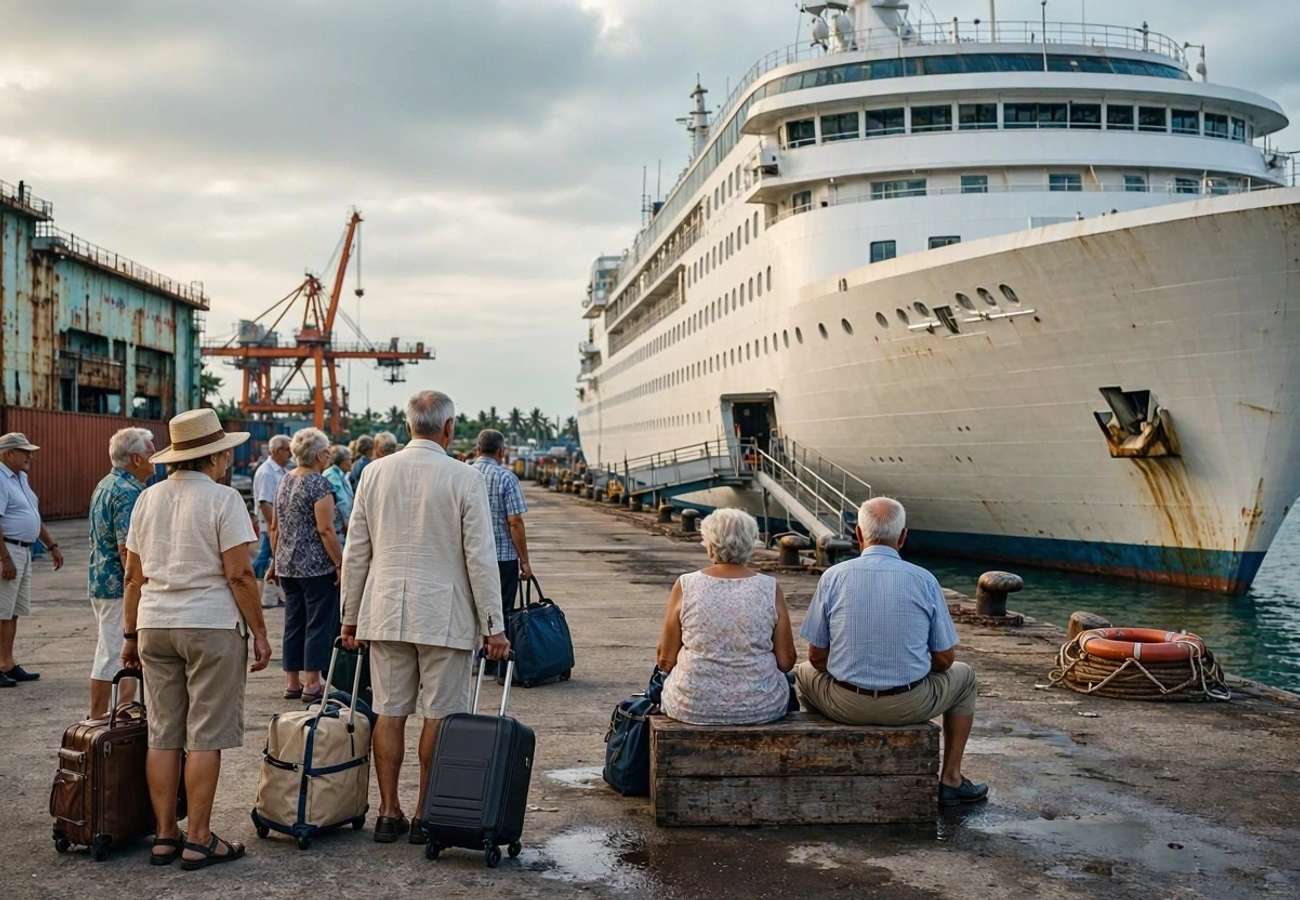
Villa Vie Odyssey Stranded in Cambodia: Fuel Costs Jump from $1,800 to $8,000 Per Cabin in 2026