
Bahrain Flights Slowly Resume as Airspace Reopens After Regional Conflict
Bahrain cautiously reopens its airspace in April 2026 after weeks of regional conflict shutdown. International flights resume in phases with ongoing safety assessments affecting passenger schedules across the Gulf aviation hub.

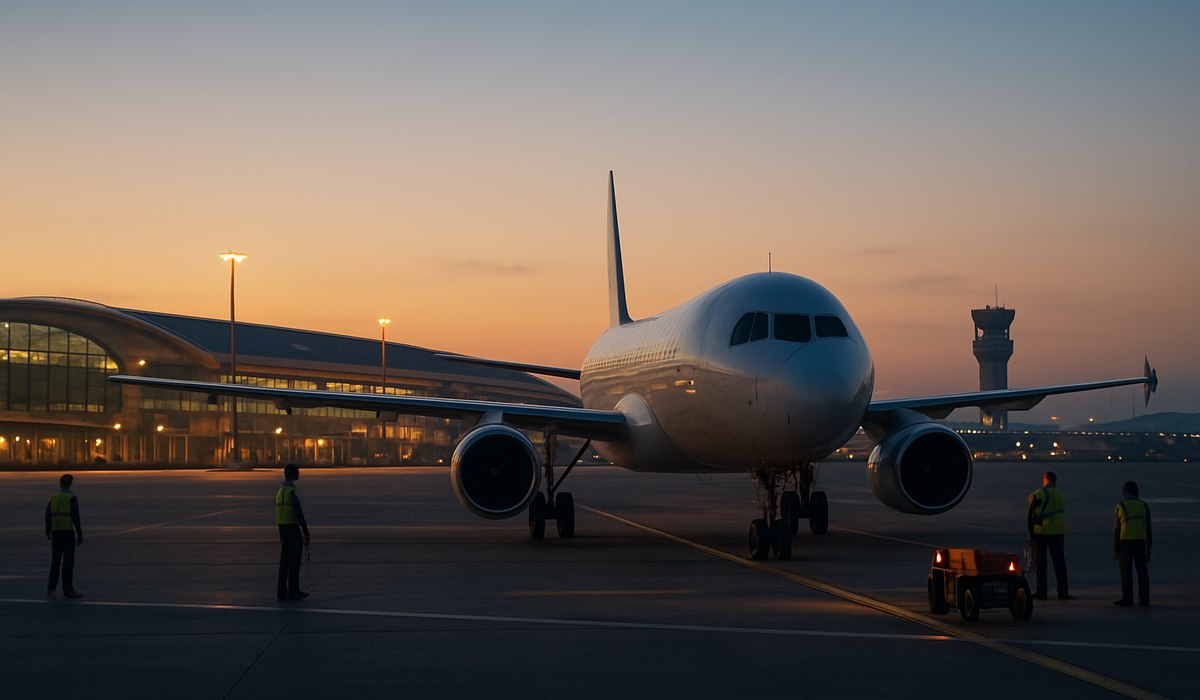
Image generated by AI
Bahrain Reopens Airspace: Flights Resume in Cautious Phases
Bahrain International Airport has begun phased resumption of international operations after nearly six weeks of complete airspace closure triggered by regional conflict escalation. Starting in early April 2026, the Kingdom of Bahrain's Civil Aviation Affairs announced a full reopening of its airspace, marking a critical turning point for this vital Gulf aviation hub. The cautious return to normalcy reflects ongoing safety concerns, with airlines now carefully evaluating routes and scheduling limited frequencies as Bahrain flights slowly rebuild connectivity between Europe, South Asia, and the Middle East. The phased approach prioritizes passenger safety while restoring critical transit links that serve hundreds of thousands of annual travelers.
Airspace Reopens After Conflict-Driven Shutdown
Bahrain's airspace closure began in late February 2026 when escalating regional tensions involving Iran and multiple Gulf Cooperation Council states created severe safety hazards for commercial aviation. Missile and drone activity across the region forced authorities to suspend all civil flight operations indefinitely, stranding thousands of passengers and disrupting cargo networks essential to regional commerce.
The reopening decision arrived after military de-escalation efforts and comprehensive airspace risk assessments by Bahrain's aviation authorities. However, the European Union Aviation Safety Agency continues issuing elevated-risk advisories for large portions of Middle Eastern and Gulf airspace. These ongoing safety alerts require individual airlines to conduct detailed route-by-route evaluations before resuming operations. The situation remains fluid, with security conditions potentially changing on short notice.
Operators planning Bahrain service must now consult current European Aviation Safety Agency guidance and comply with their national aviation authorities' directives. The reopening is genuine, but cautious operations represent the new standard for regional air travel through mid-2026.
Gradual Flight Resumption at Bahrain International Airport
Flight activity at Bahrain International Airport is accelerating incrementally rather than snapping immediately to pre-conflict capacity levels. Airlines are prioritizing short and medium-haul routes within the Gulf Cooperation Council and to major South Asian destinations where demand spiked following reopening announcements.
Ground handling services, security screening, retail operations, and hospitality facilities are ramping up gradually to accommodate variable daily flight volumes. Airport officials signal that full pre-conflict capacity remains months away, with schedules continuing to evolve as safety assessments progress and aircraft availability improves.
Initial resumption focuses on high-demand markets serving migrant workers, returning residents, and connecting passengers who experienced weeks of disruption. Airlines are maintaining reduced frequencies and adjusted departure windows aligned with current overflight permissions. Flexibility remains essential, as renewed instability could trigger route changes or temporary service suspensions without advance notice.
Gulf Air and International Carriers Rebuild Networks
Gulf Air, Bahrain's national carrier, initiated its first wave of scheduled services shortly after airspace reopening. The airline had temporarily rerouted some operations through Saudi Arabian alternatives during the closure, now transitioning back to its primary hub operations.
Gulf Air's early network restoration focuses on over a dozen key destinations across the Gulf and South Asia, where rebounded passenger demand justified immediate frequency reinstatement. The carrier maintains contingency plans for potential service adjustments based on security developments.
International carriers like Emirates, Etihad, and Turkish Airlines are similarly reassessing Bahrain integration into their networks. Many are reinstating selected frequencies at reduced levels, with adjusted timings reflecting current conflict-zone advisories. Several major carriers continue keeping Bahrain off their near-term schedules, citing insufficient operational certainty for investment in full service resumption. This patchwork approach means passenger routing options remain limited compared to pre-conflict conditions.
Lingering Safety Concerns and Operational Constraints
Regional airspace remains partially restricted despite Bahrain's reopening. Neighboring states have adopted varying closure and restriction policies, creating a complicated mosaic of accessible and prohibited corridors. Long-haul routing between Europe and Asia now requires significant detours, adding flight time and fuel consumption.
Airlines are implementing dynamic route planning with enhanced fuel allowances and time buffers for potential reroutes. Insurance providers continue applying elevated premiums for Gulf operations, reflecting residual security concerns. These operational costs ultimately influence ticket pricing and frequency availability for passengers.
Conflict-zone analysis from the Federal Aviation Administration and European authorities emphasizes that normalized regional operations require continued political de-escalation. Current guidance allows Bahrain service but mandates enhanced safety protocols, crew training, and aircraft maintenance verification before each departure. Expect operational constraints persisting throughout 2026.
Impact on Regional Aviation Hub Status
Bahrain's role as a critical regional aviation hub faces renewed challenges even with airspace reopening. Pre-conflict, Bahrain International Airport served approximately 9.7 million annual passengers, positioning it as the Gulf's third-busiest aviation center. The two-month closure severely damaged this standing, with passengers and cargo diverted to Dubai, Abu Dhabi, and Doha airports.
Recovery projections extend through late 2026 at minimum. While Bahrain flights slowly rebuild, competing Gulf hubs are consolidating market share through enhanced services and favorable pricing. Airlines remain hesitant committing to Bahrain schedules given security uncertainty, potentially extending service gaps in smaller markets previously served from the airport.
The kingdom's aviation authority is implementing recovery incentives including reduced landing fees and fast-track terminal processing for carriers resuming operations. These measures address cost concerns while demonstrating commitment to safety improvements. However, passenger confidence requires sustained operational stability over several consecutive months before pre-conflict traffic levels return.
Key Data: Bahrain Airways Reopening Timeline
| Metric | Details |
|---|---|
| Airspace Closure Start Date | Late February 2026 (military/security reasons) |
| Airspace Reopening Date | Early April 2026 (phased restoration) |
| Closure Duration | Approximately 6 weeks |
| Initial Resume Focus | Gulf Cooperation Council & South Asia short/medium-haul routes |
| Pre-Conflict Annual Passengers | ~9.7 million |
| Expected 2026 Recovery Timeline | Late 2026 at minimum |
| Primary Carrier | Gulf Air (national airline, limited initial frequencies) |
| Safety Oversight | EU Aviation Safety Agency elevated-risk advisory ongoing |
| Operational Constraints | Reduced frequencies, adjusted timings, dynamic route planning |
| Terminal Services Status | Ramping gradually; variable daily capacity |
What This Means for Travelers: Action Checklist
Passengers planning Bahrain travel through 2026 face restricted options and extended journey times. Here's your actionable response strategy:
-
Confirm airline participation first. Before booking, contact your chosen carrier directly—not all airlines have resumed Bahrain service. Check their website's route maps or call their reservations team to verify current operations.
-
Build extra travel time into your schedule. Flight detours around restricted airspace add 1–3 hours to journey duration. Plan arrival dates with buffer time for potential delays or service changes.
-
Purchase comprehensive travel insurance immediately. Coverage protecting against airline cancellation, schedule changes, and airspace disruptions is essential. Standard policies may exclude conflict-related disruptions—verify with your provider.
-
Monitor real-time flight tracking before your trip. Use FlightAware daily in the week preceding your flight. Track your specific aircraft's recent operational history and note any pattern disruptions suggesting crew or maintenance issues.
-
Review current travel advisories from official sources. Check the FAA and your national aviation authority's latest guidance on Middle East regional operations before finalizing bookings.
-
Know your passenger rights under current circumstances. Consult the [U.S. Department of Transportation Air Consumer Protection Division](https://www.transportation.gov/airc
Disclaimer
This article is for informational and educational purposes only. It does not constitute legal, financial, or professional advice. While we strive to provide accurate and up-to-date information, travel policies, regulations, and conditions change rapidly. Always verify information with official sources before making travel decisions. Nomad Lawyer makes no representations about the accuracy, reliability, completeness, or suitability of the information provided. Readers should consult qualified professionals for advice specific to their circumstances. The views expressed in this article are those of the author and do not necessarily reflect the views of Nomad Lawyer.
Kunal K Choudhary
Co-Founder & Contributor
A passionate traveller and tech enthusiast. Kunal contributes to the vision and growth of Nomad Lawyer, bringing fresh perspectives and driving the community forward.
Learn more about our team →