
Bahamas Issues Critical Travel Alert: Avoid Cuba Over Infrastructure Collapse, Power Blackouts, and Safety Risks in June 2026
The Bahamas government warns citizens against non-essential travel to Cuba due to severe power outages, fuel shortages, banking collapse, and escalating safety concerns affecting thousands of Caribbean travelers.

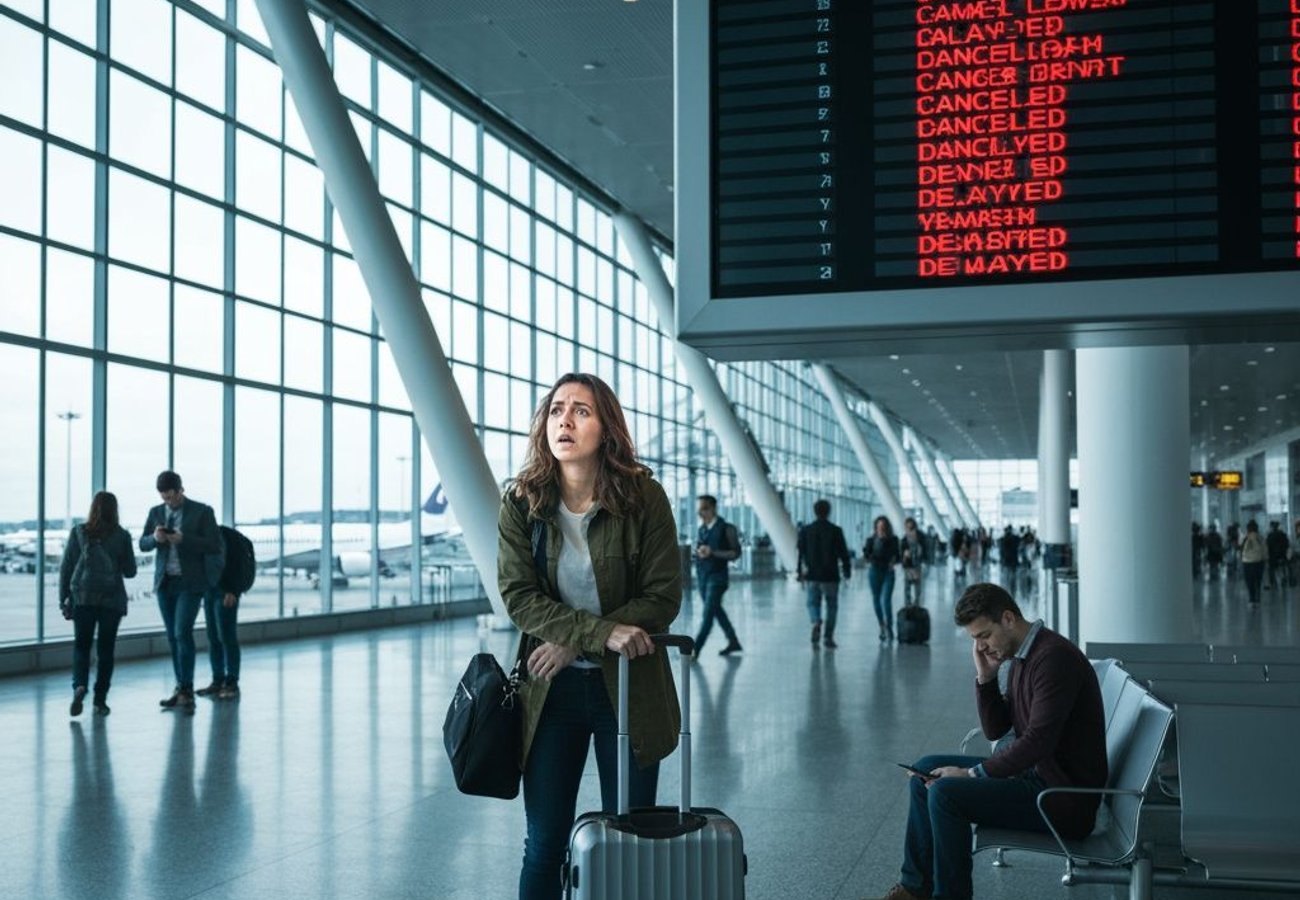
Image generated by AI
Bahamas Issues Formal Warning: Cuba Off-Limits for Non-Essential Travel
The Government of the Bahamas has issued an urgent travel advisory instructing Bahamian citizens to avoid all non-essential travel to Cuba effective immediately. This warning reflects deteriorating conditions across the island nation, aligning with heightened travel risk assessments from multiple international governments. The advisory signals genuine concern about infrastructure collapse and rapidly destabilizing local conditions that could endanger travellers.
The timing is significant. As Caribbean tourism reaches seasonal peaks, this directive serves as a critical wake-up call for the region's travel industry.
The Infrastructure Crisis: Power Blackouts and Fuel Scarcity
Cuba is currently experiencing severe, sustained disruptions to essential services that go far beyond typical travel inconveniences. The UK Foreign, Commonwealth & Development Office (FCDO) has updated its advisory to recommend against all but essential travel, citing persistent shortages and infrastructure failures affecting the entire island.
Here's what travellers face on the ground:
Unreliable electricity supply has become the norm rather than the exception. Frequent power cuts ripple through water systems, communications networks, and public transport—creating cascading failures that leave visitors stranded and isolated. Fuel scarcity compounds the problem, limiting transportation options and forcing rationing that affects hotels, hospitals, and basic services. The UK government explicitly warns that these crises can escalate with minimal notice, leaving travellers with zero contingency options.
Reddit: "I was stuck in Havana for 3 days without power or water. My credit cards didn't work, and there was no way to call for help." — r/travel
Insurance policies may not adequately cover emergencies triggered by infrastructure collapse. This creates a critical liability gap for unprepared visitors.
The Banking Collapse: Cash-Only Reality
International financial access in Cuba has effectively collapsed. Foreign credit and debit cards—whether Visa, Mastercard, or American Express—frequently fail to process transactions or withdrawals. Government-verified advisories confirm that the banking system cannot reliably handle overseas card transactions, forcing travellers into a predominantly cash-based economy.
This creates serious practical challenges:
- US dollars and euros are accepted, but access to these currencies is limited
- ATMs frequently malfunction or dispense no cash
- Currency declaration regulations are strict; failure to comply triggers penalties
- Travellers cannot rely on emergency financial transfers
Visitors must arrive with substantial quantities of foreign currency in hand. There is no Plan B if funds run out.
Visa and Entry Requirements: Still in Effect Despite Chaos
Bahamian nationals require valid documentation to enter Cuba, regardless of current conditions. All travellers must carry:
- A valid passport with at least six months' validity beyond intended stay
- A valid visa (typically permitting stays up to 90 days)
- Proof of compliance with all currency declaration requirements
- Documented adherence to entry and exit protocols
Failure to meet these legal requirements can result in denial of entry, detention, or penalties upon departure. These regulations remain non-negotiable even as the country's infrastructure deteriorates.
Safety Escalation: Protests, Demonstrations, and Public Order Risks
Government advisories include explicit warnings about public order situations. Although demonstrations are not constant, they occur with enough frequency to pose serious risk to travellers caught nearby. Civic tensions can escalate suddenly without warning, and local responses to large gatherings can be unpredictable.
The United States Department of State has escalated its advisory to warn of increased crime risks alongside infrastructure failures. When combined with power blackouts and communication breakdowns, these safety concerns create a genuinely dangerous environment.
Official guidance is unambiguous: avoid all protests, rallies, and mass gatherings. Do not assume that remaining in your hotel provides adequate safety if local instability spreads.
Comparative Government Warnings: A Unified Message
Multiple governments beyond the Bahamas have updated their Cuba advisories in recent months. The UK, Canada, Australia, and the United States Department of State all emphasize heightened risks due to infrastructure unreliability, crime concerns, and unpredictable local conditions.
This coordinated escalation signals consensus among intelligence and diplomatic communities: Cuba currently presents elevated travel hazards that go beyond normal risk levels.
Contingency Planning: What Bahamian Travellers Should Do
If you're already in Cuba, the Bahamian government advises:
- Monitor official channels and consular services for updates
- Maintain regular contact with embassy or consular offices
- Prepare contingency plans for sudden travel disruptions
- Document all essential contacts and emergency procedures
If you're planning travel, consult the Bahamian Ministry of Foreign Affairs and international government travel pages for authoritative, real-time information before booking anything.
Travel during infrastructure collapse means accepting the reality that flights may be cancelled, hotels may lose power and water, communication may fail, and emergency services may be overwhelmed. Standard travel insurance may not cover these scenarios.
The safest choice remains the obvious one: postpone Caribbean travel to Cuba until stability returns.
Related Travel Guides
Disclaimer
This article is for informational and educational purposes only. It does not constitute legal, financial, or professional advice. While we strive to provide accurate and up-to-date information, travel policies, regulations, and conditions change rapidly. Always verify information with official sources before making travel decisions. Nomad Lawyer makes no representations about the accuracy, reliability, completeness, or suitability of the information provided. Readers should consult qualified professionals for advice specific to their circumstances. The views expressed in this article are those of the author and do not necessarily reflect the views of Nomad Lawyer.
Preeti Gunjan
Contributor & Community Manager
A passionate traveller and community builder. Preeti helps grow the Nomad Lawyer community, fostering engagement and bringing the reader experience to life.
Learn more about our team →