
Transit Alert: Bahamas Bimini Marine Corridor Enters New Boating Fee Era
The Bahamas' marine corridor between Fort Lauderdale and Alice Town has entered a new regulatory era following revised Bimini cruising fees.

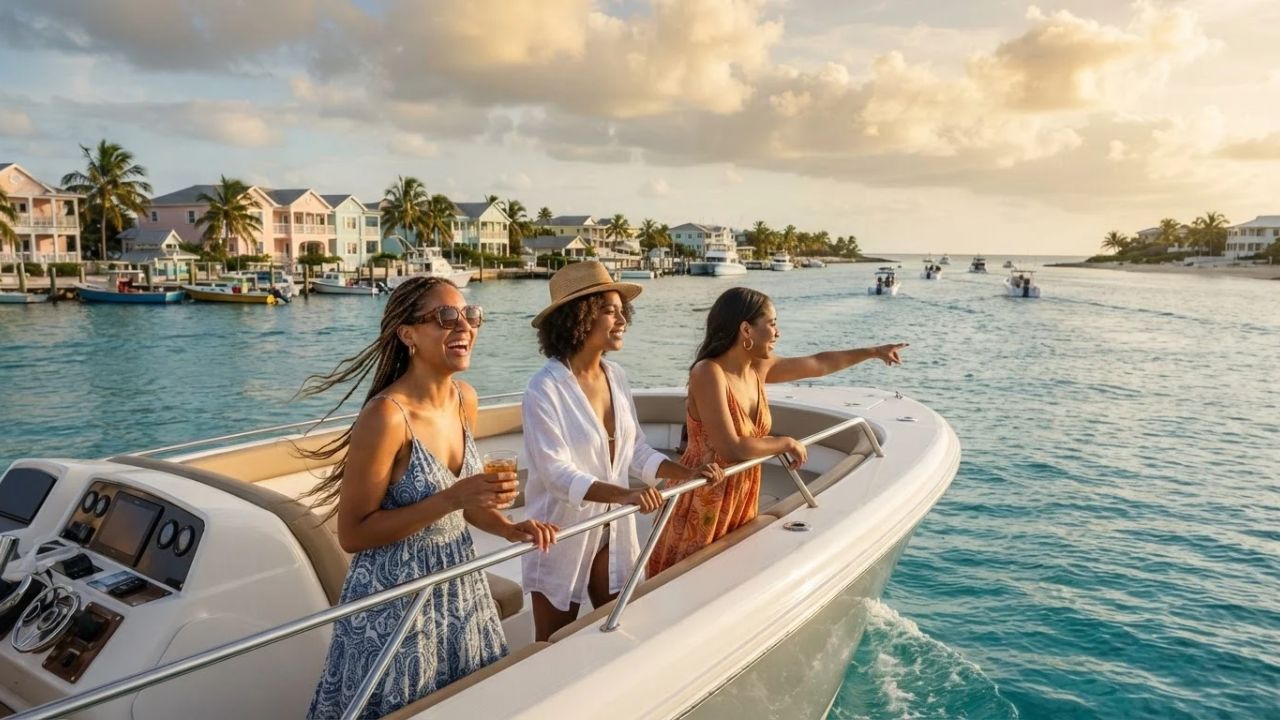
Image generated by AI
The Bahamas' marine corridor between Fort Lauderdale and Alice Town has entered a new regulatory era following revised Bimini cruising fees effective April 1, 2026. While national arrivals expanded by 14.2 percent in Jan-May 2026, Bimini's sea-landed visitor segment declined by 23.7 percent, highlighting the need for clear compliance guidance.
Compliance corridors and Recreational Boating Flows
A significant trend in marine travel is the transition of recreational boating corridors into highly structured compliance zones. Historically, the 50-mile crossing of the Gulf Stream between South Florida and the Bimini islands was treated as a casual weekend trip with minimal reporting. In 2026, the introduction of automated tracking systems, revised cruising fees, and digital border clearance applications has changed this route.
As sea-landed passenger traffic declines due to regulatory complexity, yacht advisers and charter operators must coordinate pre-trip fee calculations and double-border clearance steps.
Boating Fling Calendars and Entry Requirements
The seasonal boating fling program operates under strict capacity rules, though scheduling calendars require manual verification:
- Fling Schedules: The Ministry of Tourism events portal shows late-August dates (August 22–25, 23–26, and 27–30), whereas the main boating page lists the final fling as July 30–August 2.
- Vessel Eligibility: Participating boats must be at least 22 feet in length.
- Capacity Limits: Each departure is capped at a maximum of 30 vessels operating as a coordinated flotilla.
- Registration Charge: Operators face a non-refundable US$125 registration fee per vessel.
Travel sellers are advised to confirm departures directly with the Bimini Big Game Club on King's Highway in Alice Town before booking.
Analysis of Sea-Landed Visitor Trends
Bimini's tourism market shows a contrast between high-volume cruise arrivals and independent marine visitors:
- National Arrivals (Jan-May 2026): The Bahamas welcomed 6,074,072 foreign arrivals, representing a 14.2 percent increase over the 5,320,055 arrivals in Jan-May 2025. Cruise arrivals reached 5,167,445 (up 16.4 percent).
- Sea-Landed Segment (National): Sea-landed arrivals fell by 19.7 percent to 53,874 (down from 67,129).
- Main-Bimini Arrivals (Jan-May 2026 vs Jan-May 2025):
- Air Arrivals: Fell by 5.2 percent to 7,457 (down from 7,865).
- Sea-Landed Arrivals: Dropped by 23.7 percent to 29,316 (down from 38,436).
- Cruise Arrivals: Fell by 14.9 percent to 262,273 (down from 308,240).
- Total main-Bimini Arrivals: Contracted by 15.7 percent to 299,046 (down from 354,541).
This contraction highlights the importance of preserving organized boating flings, which bring high-spending independent travelers directly into Bimini's marina ecosystem.
Cruising, Anchorage, and Passenger Fee Structures
New fees effective April 1, 2026, apply to all foreign pleasure vessels entering Bahamian waters:
- 30-Day Permits: Costs are US$150 (vessels up to 30 ft), US$250 (over 30 to 50 ft), US$350 (over 50 to 100 ft), and US$600 (over 100 ft). Re-entry is not permitted.
- 6-Month Permits: Costs are US$300 (up to 50 ft) and US$750 (over 50 to 100 ft), allowing one free re-entry.
- 12-Month Permits: Costs are US$500 for vessels up to 50 feet, allowing two free re-entries.
- Frequent Cruising Card: A two-year card costs US$1,500 for vessels up to 50 feet, permitting unlimited visits.
- Anchorage Charge: Vessels over 30 feet but no more than 100 feet anchored outside a marina face a US$100 charge.
- Fishing Permits: Separate charges apply at US$100 (up to 50 ft) and US$300 (above 50 ft).
- Passenger Capacity: Cruising permits cover up to 3 passengers; additional travelers incur a US$30 fee each.
These revised charges must be budgeted before departure to avoid delays during port clearance.
Double-Border Clearance and Port Operations
Navigating the Fort Lauderdale–Alice Town corridor requires compliance with both Bahamian and US border systems:
- Entering The Bahamas: Vessels must clear Customs and Immigration at designated entry ports, including Big Game Marina, Bimini Public Dock, Bimini Sands Marina, Blue Waters Marina, Brown’s Marina, and Resorts World Marina.
- AIS Tracking Requirement: Foreign pleasure vessels above 50 feet must keep Automatic Identification System (AIS) equipment active. Non-compliance carries a US$1,000 fine.
- Returning to the US: Arrival must be reported immediately to US Customs and Border Protection (CBP). Florida coordinates submissions via the CBP Reporting Offsite Arrival Mobile (ROAM) system.
- US Reporting Location: The Everglades–Fort Lauderdale reporting site at 1800 Eller Drive operates from 5am to midnight, seven days a week.
Vessel masters must keep passports, registrations, and passenger profiles prepared to ensure clearance on both sides of the corridor.
Aviation Access and Airport Expansion
The growth of air connections offers alternative travel routes to Bimini:
- ** Miami nonstop Service:** A scheduled E-175 service connecting Miami International Airport with South Bimini Airport launched on February 14, 2026 (operating Mondays, Wednesdays, and Saturdays).
- Airport Infrastructure: An US$80 million, two-phase South Bimini airport upgrade covers terminal and airfield modernization.
- Seaplane Transfers: A Saturday seaplane service from Fort Lauderdale connects passengers directly with North Bimini in 25 minutes.
For boaters, this expansion positions marine travel as an experience-based choice rather than simply transport.
Bahamas and Bimini Marine Corridor Coordinates
The table below breaks down the vessel sizes, cruising fees, registration costs, AIS requirements, and US border return portals established for the corridor:
| Vessel Length Group | 30-Day Cruising Fee | Fling Registration | AIS Requirement | US Return reporting | Port of Entry Option |
|---|---|---|---|---|---|
| Up to 30 feet | US$150 | US$125 per boat | Not mandatory | CBP ROAM app | Bimini Public Dock |
| Over 30 to 50 feet | US$250 | Capped at 30 boats | Not mandatory | 1800 Eller Drive | Big Game Marina |
| Over 50 to 100 feet | US$350 | Min length 22 ft | Active AIS (US$1k fine) | Fort Lauderdale CBP | Brown's Marina |
| Over 100 feet | US$600 | Fling fee is separate | Active AIS (US$1k fine) | Immediate report rule | Resorts World Marina |
These coordinates outline the fees, limits, tracking rules, and entry points established for traveling boaters.
Resource Stewardship and Marine Conservation
For the traveler, the benefit of choosing established marinas like Blue Waters or Resorts World Marina is the protection of delicate seabed ecosystems. Avoiding anchorage on seagrass beds protects the feeding grounds of green sea turtles and prevents anchor damage to coral reefs.
Additionally, paying cruising fees supports Bahamian marine parks and conservation monitoring. Docking at local docks directly supports municipal marina workers and Alice Town vendors along King's Highway.
For example, you can explore the changing dynamics of Transit Alert: US Introduces New Cuba Sanctions Affecting Tourism to see how regulatory shifts affect Caribbean travel. For transport updates, comparing active travel schemes matches other destinations, such as Transit Alert: Bury Reopens Market Street Following £5.7 Million Upgrade updates. This trend is similar to the tourism growth seen in other destinations, as detailed in our guide on how Utica, New York Emerges as an Affordable Northeast Tourism Hub.
Visitor Insider Tips: Navigating the Bimini Crossing
If you are planning to sail from Florida to Alice Town, keep these practical tips in mind:
- Confirm Fling Dates Directly: Contact the Bimini Big Game Club to verify departure schedules, as calendar listings can vary.
- Keep Your AIS Equipment Active: If your vessel is over 50 feet, keep your AIS running in Bahamian waters to avoid the US$1,000 fine.
- Prepare CBP ROAM Profiles Early: Enter your passenger and passport information into the mobile app before leaving Florida to speed up your return.
- Carry Cash for Incidentals: While credit cards are accepted at major marinas, carry cash for local shops and eateries in Alice Town.
- Pre-Register for Boating Flings: Submit your non-refundable US$125 registration fee early to secure a slot within the 30-boat limit.
Long-Term Outlook for Bimini Marine Tourism
The long-term outlook for Bimini's marine tourism is focused on introducing solar-powered marina docks, developing coral reef restoration programs, and simplifying digital cruising permits. As aviation access increases, the boating sector will rely on organized flotillas and event programs to maintain its market share.
By protecting local marine habitats and providing clear border guidance, the island aims to build a reliable travel network.
FAQ
What are the new Bahamas cruising permit fees?
Cruising permit fees range from US$150 to US$600 for a 30-day stay, depending on vessel length, effective April 1, 2026.
Is AIS equipment required in Bahamian waters?
Yes. Foreign pleasure vessels above 50 feet must keep AIS equipment active, with non-compliance carrying a US$1,000 fine.
How must boaters report their return to the US?
Returning boaters must report their arrival immediately to US Customs and Border Protection, utilizing the CBP ROAM app for submission.
What are the entry portals in Bimini?
Ports of entry include Big Game Marina, Bimini Public Dock, Bimini Sands Marina, Blue Waters Marina, Brown’s Marina, and Resorts World Marina.
Stay updated on the cruising regulations and marine events shaping Bahamian travel.
Related Travel Guides
Disclaimer
This article is for informational and educational purposes only. It does not constitute legal, financial, or professional advice. While we strive to provide accurate and up-to-date information, travel policies, regulations, and conditions change rapidly. Always verify information with official sources before making travel decisions. Nomad Lawyer makes no representations about the accuracy, reliability, completeness, or suitability of the information provided. Readers should consult qualified professionals for advice specific to their circumstances. The views expressed in this article are those of the author and do not necessarily reflect the views of Nomad Lawyer.
Raushan Kumar
Founder & Lead Developer
Full-stack developer with 11+ years of experience and a passionate traveller. Raushan built Nomad Lawyer from the ground up with a vision to create the best travel and law experience on the web.
Learn more about our team →