
Boeing 777 Engine Failure Forces American Airlines Flight to Make Emergency Landing in Phoenix
Breaking airline news and aviation industry updates for 2026.

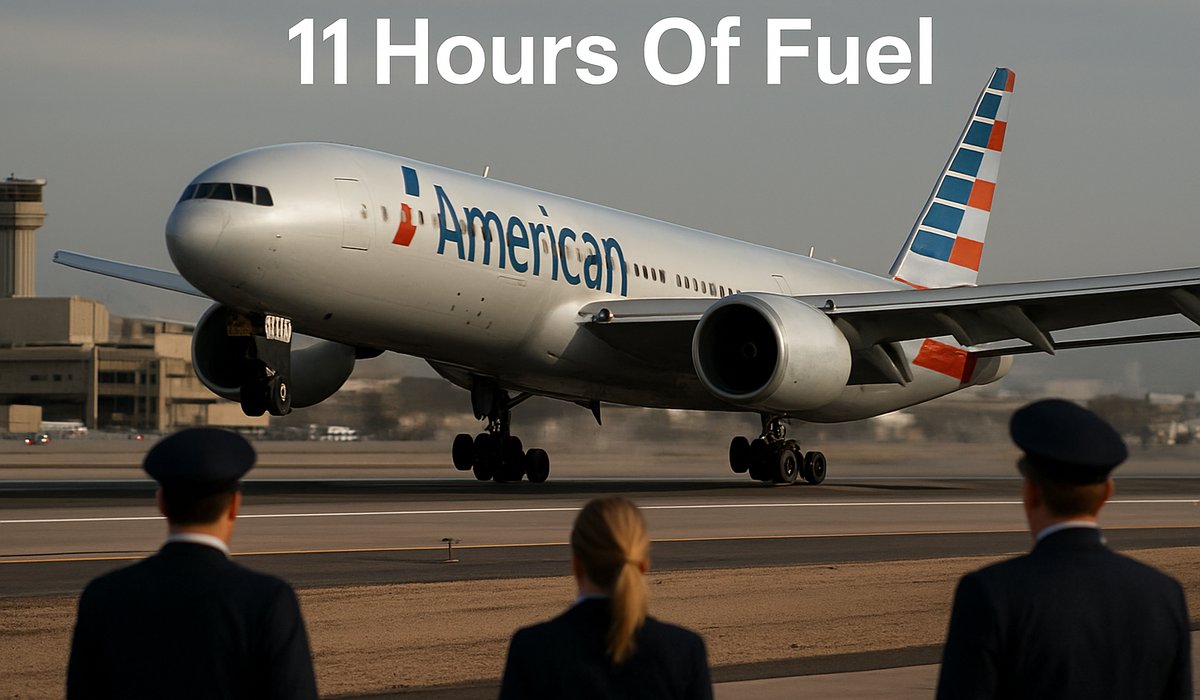
Image generated by AI
Boeing 777 Engine Failure Forces American Airlines Flight to Make Emergency Landing in Phoenix
Aircraft bound for London returns to Arizona after catastrophic power loss during takeoff sequence
Unscheduled Return After Mid-Air Crisis
An American Airlines Boeing 777-200ER encountered a severe engine failure during its initial climb from Phoenix Sky Harbor International Airport on Friday, forcing pilots to execute an emergency return to the Arizona hub less than an hour after takeoff. The wide-body aircraft, originally scheduled for transatlantic service to London, was compelled to perform a heavy-weight landing—a procedure requiring specialized handling due to the plane's elevated fuel load and weight at the time of descent.
The incident underscores persistent concerns within the commercial aviation sector regarding engine reliability and maintenance protocols, particularly as global air traffic continues its rebound from pandemic-era disruptions.
Emergency Response and Operational Impact
Flight crews declared an emergency shortly after detecting the engine malfunction during the climb-out phase of departure. With approximately 11 hours of fuel remaining aboard—reflecting the aircraft's original transatlantic flight plan—pilots made the decision to return immediately to Phoenix rather than attempt to continue on reduced power. Ground control coordinated the emergency landing without incident, and all passengers and crew disembarked safely.
American Airlines confirmed the incident, stating that the aircraft returned to the airport for maintenance evaluation. The carrier did not immediately disclose details regarding passenger rebooking procedures or compensation policies in response to the disruption.
Broader Aviation Safety Considerations
While modern commercial aviation maintains exceptional safety records, engine failures during critical flight phases remain among the most serious operational events in aviation. The incident occurred amid a period of heightened scrutiny on Boeing aircraft following previous mechanical issues and regulatory oversight challenges.
The Boeing 777-200ER, one of the aviation industry's most widely operated long-haul aircraft, has accumulated an extensive operational history spanning decades. Manufacturers and carriers maintain rigorous maintenance schedules to prevent such occurrences, yet unexpected component failures can occasionally bypass standard inspection protocols.
This event will likely trigger mandatory inspections across similar aircraft operating under American Airlines' fleet management, with potential cascading effects on transatlantic route scheduling and airline operations.
FAQ: Understanding Aviation Engine Failures and Emergency Procedures
What causes engine failures during aircraft takeoff? Engine failures stem from multiple potential sources including mechanical fatigue, foreign object damage, manufacturing defects, or inadequate maintenance. Modern diagnostics help identify deteriorating components before critical failure occurs.
How safe is flying after an engine malfunction? Commercial aircraft are designed with redundancy. The Boeing 777 can safely operate and land on a single engine, making engine failures serious but manageable emergencies for trained crews.
Will passengers be compensated for this flight disruption? Compensation policies vary by jurisdiction and airline policy. European regulations mandate airline compensation for delays exceeding three hours; U.S. domestic policies differ substantially.
How common are engine failures in modern commercial aviation? Engine failures are exceptionally rare in commercial aviation due to rigorous maintenance standards, redundant safety systems, and regulatory oversight by agencies like the FAA and EASA.
What happens to aircraft after engine failures? Aircraft undergo comprehensive inspections by manufacturer technicians and regulatory authorities before returning to service, potentially requiring engine replacement or major overhauls.
Related Travel Guides
Flight Delay Compensation Guide 2026
Understanding Airline Route Changes
Airport Security Process Updated (2026)
External Resources
Disclaimer
This article is for informational and educational purposes only. It does not constitute legal, financial, or professional advice. While we strive to provide accurate and up-to-date information, travel policies, regulations, and conditions change rapidly. Always verify information with official sources before making travel decisions. Nomad Lawyer makes no representations about the accuracy, reliability, completeness, or suitability of the information provided. Readers should consult qualified professionals for advice specific to their circumstances. The views expressed in this article are those of the author and do not necessarily reflect the views of Nomad Lawyer.
Kunal K Choudhary
Co-Founder & Contributor
A passionate traveller and tech enthusiast. Kunal contributes to the vision and growth of Nomad Lawyer, bringing fresh perspectives and driving the community forward.
Learn more about our team →