
Bulgaria Launches Major Cultural Tourism Campaign to Attract Turkish Travellers in Bulgaria Through Heritage Sites, Gastronomy Trails, and New Border Routes: New Travel Alert
Bulgaria initiates a comprehensive strategy targeting Turkish travelers by enhancing cross-border transit, Roman heritage routes, and gastronomy.

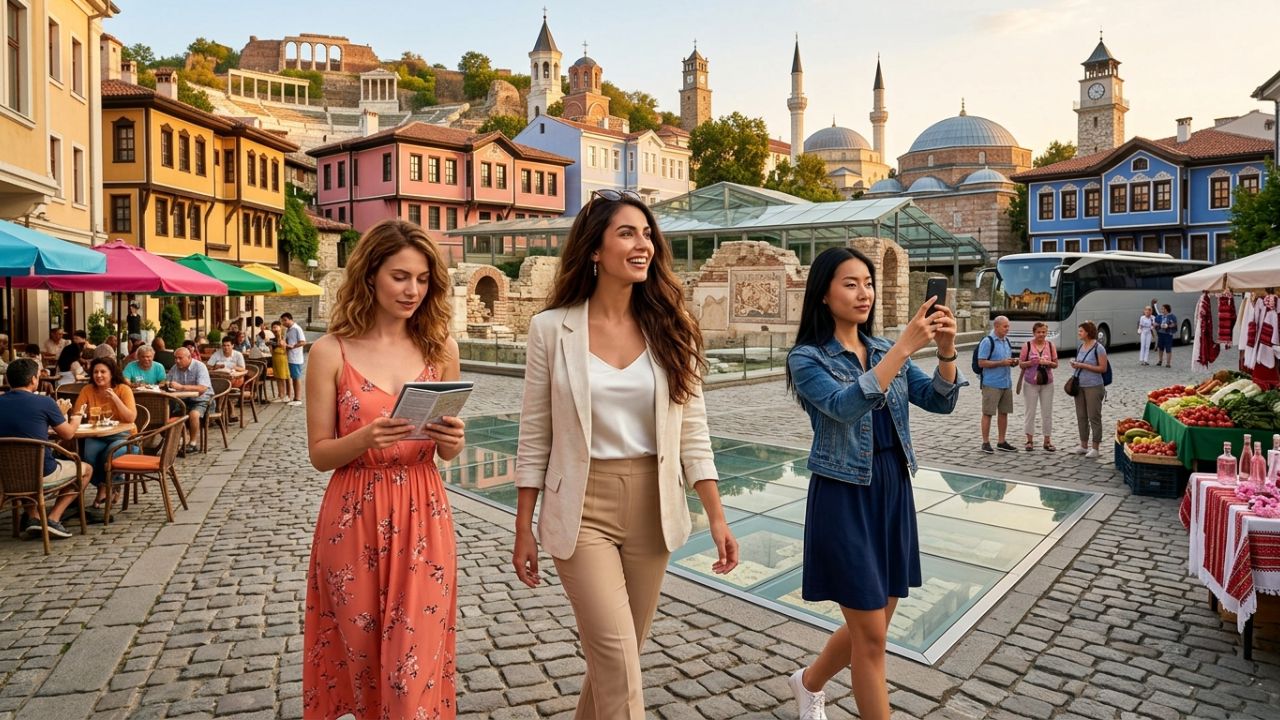
Image generated by AI
Published on June 21, 2026
Bulgaria has launched a comprehensive national strategy aimed at boosting the arrivals of Turkish travellers in Bulgaria by promoting ancient archaeological landmarks, regional gastronomy, and enhanced transit infrastructure on June 21, 2026. This initiative is designed to increase regional competitiveness in the Balkans as the country positions itself as a premier weekend and short-break cultural destination. Travelers crossing the Bulgaria-Türkiye border should anticipate streamlined procedures and expanded joint itineraries connecting heritage corridors.
Quick Summary
- Strategic Tourism Drive: Bulgaria has initiated a structured campaign targeting Turkish tourists, leveraging shared history and geography to boost inbound travel.
- Strong Regional Benchmarks: The campaign aims to match neighboring travel models, referencing Greece's high volumes of 2.7 million Turkish visitors in 2025.
- Heritage and Roman Archeology: Targeted promotions highlight major historical complexes including Heraclea Sintica, the ruins of Serdika, and Roman ruins in Plovdiv.
- Culinary Integration: Curated gastronomy trails are being designed to appeal to Turkish visitors, tapping into shared Balkan and Anatolian food traditions.
- Improved Transit Corridors: Bilateral initiatives focus on streamlining border crossings, upgrading road networks, and establishing joint cross-border routes.
The launch of this tourism expansion framework follows a strategic recalibration of tourism priorities by Southeast European authorities. Driven by rising regional competition and historical connectivity, the Bulgarian Ministry of Tourism is working to diversify its inbound source markets. By focusing on easily accessible cultural breaks rather than traditional mass sightseeing, the campaign seeks to capture a larger share of neighboring Türkiye's active outbound travel segment.
Event and Incident Details: Positioning Bulgaria to Attract Turkish Travellers in Bulgaria
To enhance its position within the Balkan and Mediterranean travel markets, Bulgaria is recalibrating its priorities around accessibility and cultural identity. Regional performance benchmarks, such as Greece's 2025 inbound record of 2.7 million Turkish visitors, serve as templates for future growth expectations. Historically, the Turkish outbound market has shown high travel frequency and strong cross-border mobility. In 2025, more than 2.4 million Turkish travellers visited Bulgaria, establishing Türkiye as one of the country's most critical source markets. Targeted messaging is being designed to highlight Bulgaria's affordability and diverse offerings across short urban breaks, shopping tourism, winter sports, and retail-oriented travel.
A major focus of the campaign is the development of archaeological and historical assets to distribute visitors beyond major urban centers. Key sites being prioritized include the Roman ruins of Serdika in central Sofia, the ancient Macedonian and Roman city complex of Heraclea Sintica, and extensive Roman remains in Plovdiv. In tandem with historical exploration, curated gastronomy trails are being designed to appeal to Turkish visitors, tapping into shared Balkan and Anatolian food traditions. To show the details of the assets being promoted, the following table lists the primary archaeological and cultural points of interest:
| Heritage Site / Asset | Location | Historical Era / Cultural Focus | Key Infrastructure Upgrades |
|---|---|---|---|
| Heraclea Sintica | Near Petrich, Bulgaria | Ancient Macedonian and Roman city complex | Enhanced interpretative paths and multilingual visitor guides |
| Serdika Ruins | Central Sofia, Bulgaria | Ancient Roman urban structures and fortress remains | Improved public accessibility links and underground transit displays |
| Plovdiv Roman Remains | Plovdiv, Bulgaria | Roman stadium, theater, and street networks | Upgraded visitor signage and integrated historical walking routes |
| Balkan Culinary Trails | Regional dining hubs | Shared Balkan and Anatolian gastronomy traditions | Curated food maps, market tours, and local tasting packages |
| Çorlu Migrant Memorial | Tekirdağ Province, Türkiye | Memorial tourism and 1989 migration remembrance | Educational travel itineraries and bilateral heritage displays |
Bulgarian authorities are working to transform these historic assets into highly accessible travel products. The alignment of food culture and history is designed to increase tourist satisfaction and encourage repeat visitation. According to recent surveys, Turkish visitors show high responsiveness to local culinary programs due to shared regional tastes, which makes gastronomy-led itineraries a central pillar of the marketing drive. Additionally, bilateral travel narratives are being enhanced through memorial tourism, such as the Çorlu structure in Türkiye commemorating the 1989 historical migration of ethnic communities.
Risk and Impact: Transit Bottlenecks and Infrastructure Demands
Travelers and operators navigating cross-border corridors must consider the following logistical risks:
- Border Crossing Delays: Increased traffic during peak summer and holiday weekends can cause severe bottlenecks at border checkpoints if administrative processing is not sufficiently streamlined.
- Regional Competitive Strains: Neighboring countries like Greece, which drew 2.7 million Turkish visitors in 2025, continue to launch aggressive promotional campaigns, posing a competitive challenge to Bulgaria's targets.
- Infrastructure Gaps: Lesser-known archaeological sites like Heraclea Sintica require rapid upgrades in parking, transit options, and multilingual guides to handle rising visitor volumes.
- Weather Vulnerabilities: Outdoor archaeological ruins and winter sports hubs are subject to seasonal weather changes, requiring operators to establish indoor cultural alternatives.
- Bilateral Regulation Fluctuations: Changes in cross-border visa rules or regional transport agreements could impact the ease of weekend travel.
What Authorities and Travel Experts Are Saying
Bilateral coordinators from the Bulgarian Ministry of Tourism and Turkish travel associations stress that the success of the corridor relies on ease of access. Officials note that streamlining border crossing procedures is just as important as destination promotion.
Travel experts working with Go Türkiye highlight that the shared historical context, combined with geographical proximity, makes Bulgaria an ideal candidate for short-break cultural travel. Memorial tourism, such as the site in Çorlu commemorating the 1989 migration, is seen by authorities as a meaningful way to add historical depth and encourage cross-border educational travel.
Practical Traveler Advice: Planning Trips for Turkish Travellers in Bulgaria
Navigating the peak season successfully requires a structured approach to logistics and scheduling:
- Plan Around Peak Border Hours: Schedule border crossings during early morning or mid-week hours to avoid weekend delays at major checkpoints.
- Explore Combined Itineraries: Opt for travel packages that combine Roman historical sites in Sofia and Plovdiv with local gastronomy trails.
- Utilize Multilingual Services: Take advantage of newly upgraded multilingual digital guides and signage at major archaeological complexes like Heraclea Sintica.
- Compare Travel Alternatives: Evaluate driving routes versus regional bus and rail connections to find the most efficient cross-border transport.
- Stay Updated on Visa and Border Rules: Check the latest travel advisories regarding passport and visa compliance requirements for entry into Bulgaria.
Broader Context: Regional Tourism Competition in the Balkans
The push to attract Turkish visitors is part of a wider effort to increase Bulgaria's competitiveness in the Balkan and Mediterranean travel markets. Neighboring destinations have experienced substantial increases in arrivals by integrating transport networks and marketing cultural proximity. By positioning its affordable heritage options, Bulgaria aims to capture a larger share of the outbound Turkish market, which generated over 2.4 million visits to the country in 2025.
What to Expect Next / Looking Ahead
Bulgaria's promotional campaigns will expand across multiple Turkish cities, focusing on winter tourism, retail travel, and weekend city breaks. Regional transport authorities are expected to hold follow-up meetings to coordinate infrastructure upgrades along border highways. Over the next year, travelers should expect more joint cross-border tourism circuits that integrate historical and culinary experiences across both countries.
Conclusion
Bulgaria's targeted drive to welcome more Turkish tourists highlights the growing importance of regional connectivity and cultural heritage. By investing in Roman archaeological sites, shared gastronomy, and border operations, the country is well-positioned to strengthen its Balkan tourism footprint. Careful coordination and continued transit improvements will remain key to converting these plans into lasting tourism growth.
Related Travel Guides
The 10 Best Tourist Spots in Bulgaria, According To Reddit
FAQ
What is Bulgaria's new strategy for Turkish travellers?
Bulgaria is launching a cultural tourism push that targets Turkish travellers by promoting heritage ruins, curated gastronomy trails, and streamlined border travel routes.
Which heritage sites are being prioritized in Bulgaria?
The campaign focuses on the archaeological complex of Heraclea Sintica, the Roman ruins of Serdika in Sofia, and the Roman-era remains in Plovdiv.
How many Turkish travellers visited Bulgaria in 2025?
Official data indicates that over 2.4 million Turkish travellers visited Bulgaria in 2025, making Türkiye one of the country's most critical source markets.
What is the purpose of the Çorlu memorial in Türkiye?
Located in the Tekirdağ province, the memorial commemorates the 1989 migration of ethnic communities, adding cultural depth and educational value to bilateral travel routes.
How can Turkish travellers avoid border delays?
Travelers should cross border checkpoints during off-peak, mid-week hours and stay updated on the latest transit and customs regulations.
Disclaimer
This article is for informational and educational purposes only. It does not constitute legal, financial, or professional advice. While we strive to provide accurate and up-to-date information, travel policies, regulations, and conditions change rapidly. Always verify information with official sources before making travel decisions. Nomad Lawyer makes no representations about the accuracy, reliability, completeness, or suitability of the information provided. Readers should consult qualified professionals for advice specific to their circumstances. The views expressed in this article are those of the author and do not necessarily reflect the views of Nomad Lawyer.
Raushan Kumar
Founder & Lead Developer
Full-stack developer with 11+ years of experience and a passionate traveller. Raushan built Nomad Lawyer from the ground up with a vision to create the best travel and law experience on the web.
Learn more about our team →