
Azerbaijan Records Tourism Surge with Over 30,000 Western European Visitors in Early 2026 Growth
Azerbaijan reports a 15.5 percent increase in Western European tourists during early 2026, with the UK and Germany leading the surge in arrivals.

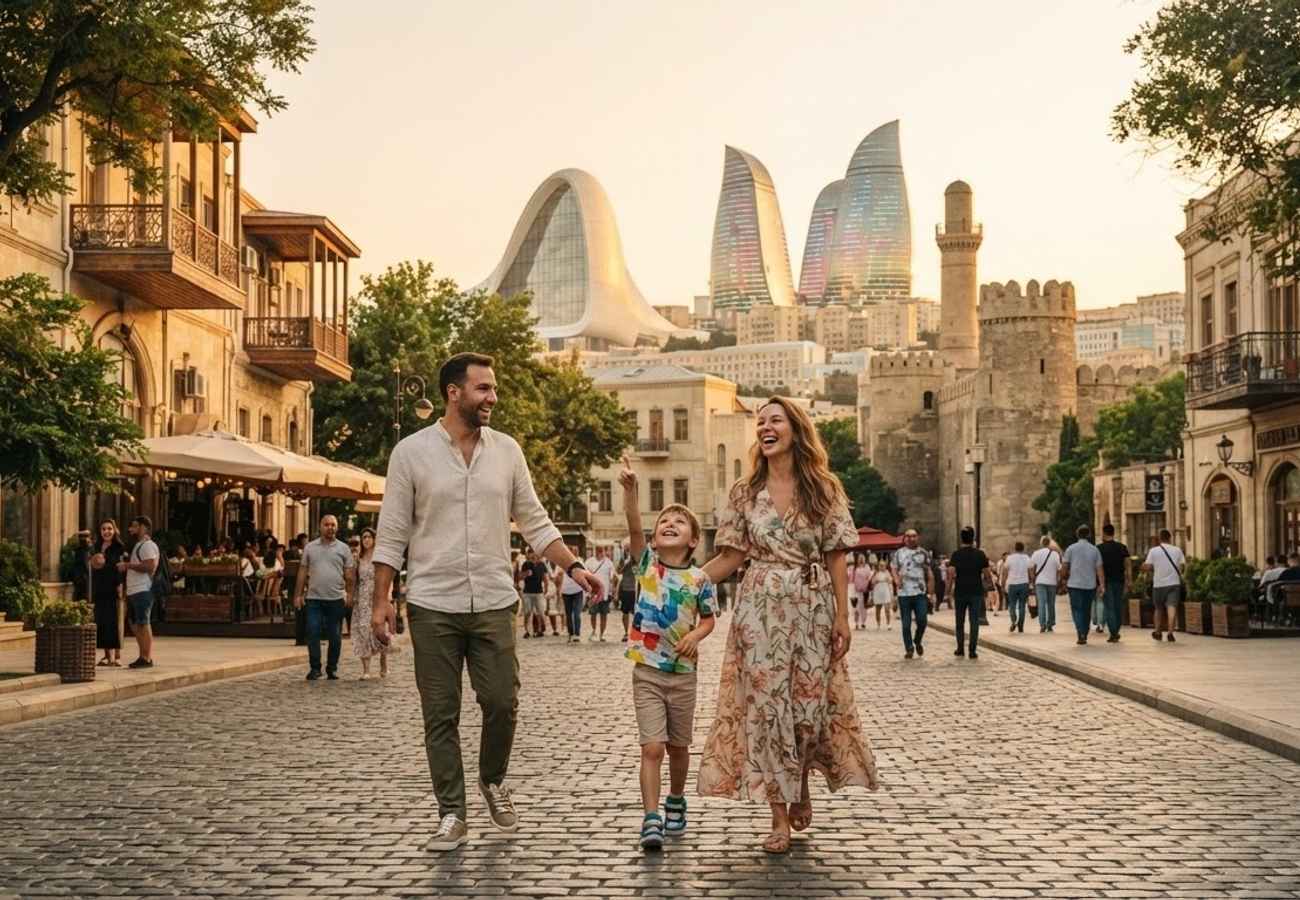
Image generated by AI
[Baku, July 6, 2026] — Azerbaijan has experienced a rapid expansion in its tourism sector during the first four months of 2026, driven by a significant influx of more than 30,000 visitors from Western Europe. This surge is attributed to a combination of enhanced air connectivity, streamlined entry requirements, and a growing appetite for cultural exploration within the Caucasus region.
The growth is particularly evident among travelers from the United Kingdom, Germany, Italy, France, Spain, and the Netherlands. These nations have collectively pushed arrival numbers higher, positioning Azerbaijan as a competitive alternative to traditional European holiday destinations.
Western European Inbound Tourism Shows 15.5 Percent Increase
Official data reveals that between January and April 2026, Azerbaijan welcomed over 30,000 travelers from Western European markets. This figure represents a 15.5 percent increase compared to the same four-month window in 2025, when approximately 26,000 visitors arrived from the region.
Industry observers note that this trajectory reflects a broader shift in European travel behavior. There is a rising preference for destinations that offer a blend of affordability, rich cultural heritage, and lower crowd densities. Azerbaijan has successfully capitalized on this trend by promoting its unique position as a bridge between Asia and Europe.
The country's appeal is no longer limited to business travel. Instead, there is a diversified demand for leisure experiences, ranging from the high-tech architecture of Baku to the rugged landscapes of the Caucasus mountains. This growth is supported by systemic investments in the hospitality sector and expanded airport capacities to accommodate the rising volume of international passengers.
April 2026 Momentum Signals Seasonal Peak
The momentum of arrivals accelerated sharply in April 2026. During this single month, Western European visitor numbers exceeded 8,800, which is a 28.5 percent jump over the figures recorded in March 2026.
Reports suggest that this spike is linked to the onset of the spring travel season, which is traditionally the most popular time for cultural and city-break tourism in the region. The combination of mild spring weather and targeted international marketing campaigns has made Azerbaijan a primary choice for short-term excursions.
Furthermore, the data indicates that Azerbaijan is transitioning from an "emerging" market to a "repeat-visit" destination. An increasing number of European travelers are returning for second or third visits, suggesting a high level of satisfaction with the country's safety, value for money, and accessibility.
Analysis of Primary European Source Markets
The distribution of visitors in April 2026 shows a heavy concentration in a few key markets. The United Kingdom and Germany remain the dominant contributors to these totals, though Southern European interest is climbing.
| Source Country | April 2026 Visitor Arrivals |
|---|---|
| United Kingdom | 7,416 |
| Germany | 7,045 |
| Italy | 4,314 |
| France | 1,891 |
| Spain | Significant Growth |
| Netherlands | Steady Increase |
The United Kingdom continues to be a powerhouse for outbound travel to Azerbaijan, supported by robust flight schedules and a strong demand for leisure trips. Germany follows closely, with a specific interest in structured city-break itineraries that focus on the capital city and its surrounding heritage sites.
Italy and Spain are showing a notable upward trend. Travelers from these Mediterranean nations are increasingly seeking "novelty" destinations outside the standard Eurozone circuits. Meanwhile, the Netherlands provides a stable stream of mid-range travelers looking for affordable yet culturally rich escapes. France continues to contribute a steady flow of tourists specifically interested in the country's UNESCO-listed sites and urban history.
Expanding the Eurasian Tourism Hub
Azerbaijan is actively working to move beyond its image as a single-city destination. While Baku remains the primary gateway and a major draw due to its modern skyline and the historic Old City, the government is promoting a year-round tourism calendar.
Efforts are being made to direct tourist flows toward regional centers. Destinations such as Gabala, Sheki, and Ganja are now being integrated into international tour packages. These areas offer nature-based tourism, mountain retreats in Shahdag, and coastal experiences along the Caspian Sea, ensuring that the tourism economy benefits rural areas and not just the capital.
Aviation Connectivity and Visa Simplification
The surge in numbers is directly linked to improvements in the aviation sector. Baku’s international airport has expanded its network of direct flights to major European hubs, reducing travel time and increasing frequency.
Competitive pricing and the availability of more direct routes have made "weekend" or "mid-week" trips more feasible for residents of London, Berlin, Madrid, and Rome. This accessibility is a critical driver for the short-break market.
In tandem with flight availability, the simplification of the visa process has removed significant administrative hurdles. The streamlined electronic visa (e-visa) system allows travelers to secure entry permits quickly, encouraging spontaneous travel decisions that were previously hindered by complex paperwork.
Strategic Diversification and Long-Term Outlook
Azerbaijan’s current growth is the result of a deliberate long-term strategy focused on infrastructure and global positioning. By investing in high-capacity hotels and improved transport links between cities, the country is preparing for even higher volumes of visitors.
The strategy also emphasizes event-based tourism. By hosting international sports competitions, festivals, and exhibitions, Azerbaijan is attracting specific demographics of European travelers who might not otherwise visit the region. This approach helps smooth out seasonal dips and creates a more sustainable, year-round tourism economy.
As the country continues to balance the concentration of tourists between the urban center of Baku and the mountainous interior, the goal is to create a comprehensive Eurasian hub that appeals to a wide spectrum of global travelers.
Azerbaijan's strategic pivot toward Western European markets suggests a new era of connectivity for the Caucasus region.
Related Travel Guides
Disclaimer
This article is for informational and educational purposes only. It does not constitute legal, financial, or professional advice. While we strive to provide accurate and up-to-date information, travel policies, regulations, and conditions change rapidly. Always verify information with official sources before making travel decisions. Nomad Lawyer makes no representations about the accuracy, reliability, completeness, or suitability of the information provided. Readers should consult qualified professionals for advice specific to their circumstances. The views expressed in this article are those of the author and do not necessarily reflect the views of Nomad Lawyer.
Preeti Gunjan
Contributor & Community Manager
A passionate traveller and community builder. Preeti helps grow the Nomad Lawyer community, fostering engagement and bringing the reader experience to life.
Learn more about our team →