
Aviation Safety Vapes Lithium Batteries Baggage Restrictions 2026
Airlines and aviation safety bodies issue warnings against packing vapes and spare lithium batteries in checked baggage due to hold fire hazards.

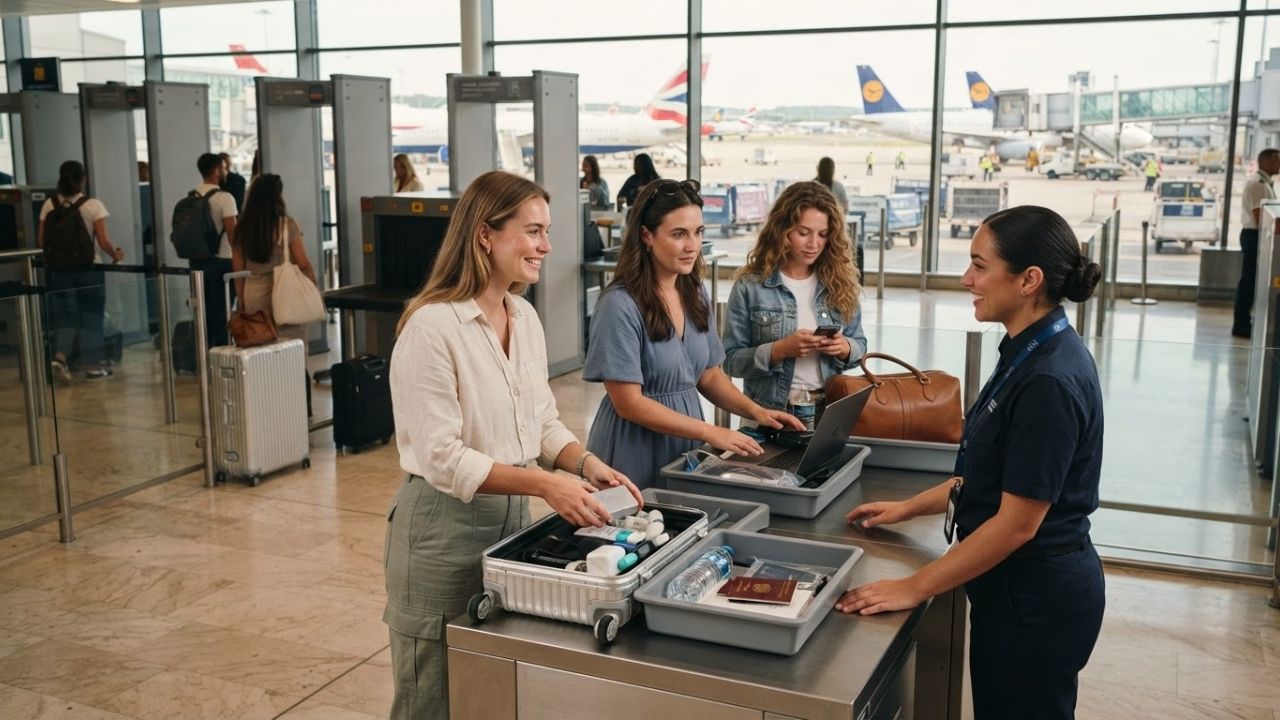
Image generated by AI
Aviation Safety Authorities Issue Urgent Warning Against Packing Vapes and Lithium Batteries in Checked Baggage to Prevent Flight Disruption Risks
Airlines and aviation safety organizations have issued urgent travel alerts warning holidaymakers against packing e-cigarettes, vapes, and spare lithium batteries in checked baggage. The safety warning aims to prevent thermal runaway fire hazards inside cargo holds during the busy summer travel season.
The Disruption and Hazard Details
Aviation safety organizations, including the UK Civil Aviation Authority (CAA) and the International Air Transport Association (IATA), have updated their dangerous goods guidelines to address risks from consumer electronics. Portable electronic smoking devices (such as e-cigarettes, vapes, and personal vaporizers) and spare lithium batteries are strictly prohibited from cargo holds. Because these devices contain lithium-ion batteries, they pose a risk of overheating, short-circuiting, and initiating thermal runaway fires.
If a battery fires or overheats inside the passenger cabin, cabin crew can quickly intervene using specialized containment bags and extinguishers. However, a fire inside a cargo hold is much harder to detect and extinguish, posing a direct threat to aircraft safety. Incorrectly packed items can lead to emergency gate returns, luggage offloading, and flight delays as airport security teams locate and remove prohibited devices.
Flight & Airport Impact Breakdown
The presence of restricted battery-powered devices in cargo luggage leads to several airport operational delays:
- Security Point Bottlenecks: Manual luggage checks at security checkpoints slow down passenger flows, extending processing queues during peak morning departures.
- Baggage Hold Inspection Delays: If airport scanners detect a suspected lithium battery in hold luggage, the bag is flagged, requiring security teams to locate the owner and open the suitcase.
- Gate Offloads: Flights may face tarmac delays if baggage handlers must retrieve a checked suitcase from the aircraft hold to remove prohibited vapes or power banks.
- Cabin Luggage Capacity: The requirement to carry all power banks and vapes in hand luggage increases the volume of carry-on items, crowding overhead bins.
Lithium Battery Baggage Restrictions (2026)
| Device Type | Permitted in Checked Baggage | Permitted in Carry-On Baggage | Watt-Hour (Wh) / Lithium Limits | Special Handling Rules |
|---|---|---|---|---|
| Vapes / E-cigarettes | NO | YES | Under 100 Wh | Must be protected against accidental activation; charging onboard is strictly prohibited. |
| Power Banks | NO | YES | Under 100 Wh | Must have clearly legible capacity markings; limit of 2 devices per passenger. |
| Spare Lithium-Ion Batteries | NO | YES | Under 100 Wh | Battery terminals must be taped or protected to prevent short circuits. |
| Medium Spare Batteries | NO | YES | 100 Wh to 160 Wh | Requires airline approval prior to travel; maximum of 2 spare units. |
| Laptops / Smartphones | YES (Must be powered off) | YES | Under 100 Wh | Devices in checked bags must be turned off completely and protected from damage. |
Passenger Rights & Advisory (Information Gain)
Travelers must understand luggage safety rules and their passenger rights in the event of security-related flight delays:
- Lithium Battery Technical Limits: Spare lithium-ion batteries and power banks must not exceed a capacity of 100 Watt-hours (Wh). For lithium metal batteries (such as those in cameras), the maximum lithium content is 2 grams per battery.
- E-Liquid Carry-On Rules: E-liquids, vape juices, and gel cartridges are subject to standard airport liquid restrictions. They must be carried in containers of 100ml (3.4 oz) or less, packed inside a single, transparent, resealable plastic bag.
- Disruption Compensation (UK/EU261): If your flight is delayed because airport security has to offload another passenger's bag to remove a vape, this is typically classified as an "extraordinary circumstance." The airline is exempt from paying cash compensation in these scenarios.
- Duty of Care Obligation: Regardless of the cause of the delay, if a security-related issue delays your departure by 2 hours or more, the operating carrier must provide free meals, refreshments, and communications. If the delay extends overnight, the airline must arrange complimentary hotel lodging.
- US DOT Refund Rules: Under United States Department of Transportation guidelines, if a safety search delays a flight significantly and the traveler decides to cancel their journey, the airline must provide a full cash refund.
Industry Analyst View
Our analysis indicates that baggage screening systems struggle to differentiate consumer electronics from lithium battery hazards without manual inspections, causing gate departure delays. Flight tracking systems show that emergency gate returns due to passenger baggage searches account for rising tarmac delays during peak holiday seasons.
As passengers travel with more portable devices—including smart luggage, cameras, and wearable technology—clear communication during check-in is essential. Airlines must coordinate with airport security providers to standardize bag-screening protocols. Gate agents must also enforce carry-on restrictions proactively, ensuring that passengers do not check bags containing vapes at the boarding gate during overhead bin shortages.
Related Travel Guides
Disclaimer
This article is for informational and educational purposes only. It does not constitute legal, financial, or professional advice. While we strive to provide accurate and up-to-date information, travel policies, regulations, and conditions change rapidly. Always verify information with official sources before making travel decisions. Nomad Lawyer makes no representations about the accuracy, reliability, completeness, or suitability of the information provided. Readers should consult qualified professionals for advice specific to their circumstances. The views expressed in this article are those of the author and do not necessarily reflect the views of Nomad Lawyer.
Kunal K Choudhary
Co-Founder & Contributor
A passionate traveller and tech enthusiast. Kunal contributes to the vision and growth of Nomad Lawyer, bringing fresh perspectives and driving the community forward.
Learn more about our team →