
Middle East Geopolitical Crisis Triggers Aviation Fuel Shock Across Africa and Caribbean
A critical energy corridor closure in the Middle East has ignited a macroeconomic chain reaction, leaving tourism-depend

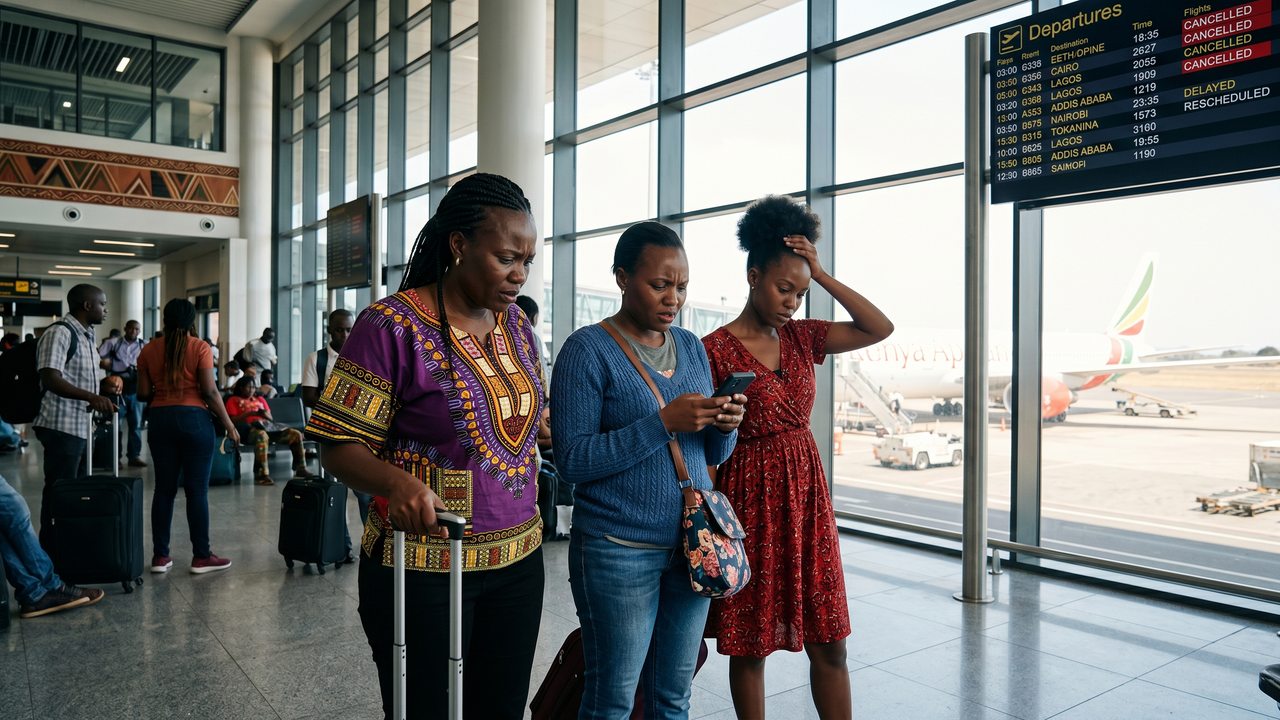
Image generated by AI
Energy Corridor Collapse Drives Global Aviation Costs
The closure of the Strait of Hormuz—a primary artery for global energy distribution—has triggered a severe economic shock for the aviation sector. This geopolitical instability has caused global jet fuel prices to spike by an estimated 70% to 76%, creating an immediate financial crisis for airlines and the nations that rely on tourism for GDP growth.
Developing economies are now implementing emergency measures to survive the surge. Governments are resorting to fuel surcharges, currency stabilization efforts, and aggressive route restructuring to prevent a total collapse of their tourism-driven revenue streams.
African Aviation Networks Under Severe Strain
Across Africa, the impact is most visible in the drastic reduction of flight capacities and the suspension of key international corridors. Because fuel expenses account for 30% to 45% of total operating costs for African carriers—significantly higher than the global average of 20% to 25%—the financial vulnerability is acute.
- Kenya: Kenya Airways has slashed Middle East capacity by 20% to 30% to maintain solvency.
- South Africa: Carriers like FlySafair have introduced fuel surcharges ranging from 101 to 367 Rand to offset import costs.
- North Africa: Egypt and Morocco are seeing significant disruptions in West Asia routes and intra-African connectivity.
- Fragile States: Sudan, South Sudan, and Madagascar face compounded risks, including fuel rationing and high external debt.
Caribbean Tourism Faces Structural Slowdown
The Caribbean is experiencing a parallel crisis due to its heavy reliance on imported energy, which typically accounts for roughly 6% of the region's GDP.
St. Lucia has seen a 20% jump in domestic energy costs, forcing tourism operators to hike prices. Meanwhile, Jamaica, the Bahamas, and Barbados are battling inflationary pressures from the U.S. market, leading to a projected drop in inbound arrivals. In response, Antigua and Barbuda and Grenada are attempting to pivot their marketing toward Latin American markets to reduce their dependence on volatile North American and European routes.
Operational Impact Data: Key Affected Regions
| Country | Primary Carrier/Sector | Route Impact | Financial/Operational Effect | Passenger Impact |
|---|---|---|---|---|
| Ethiopia | Ethiopian Airlines | 10 Middle East destinations suspended | ~$137M loss in a single week | 50,000 weekly travelers affected |
| Kenya | Kenya Airways | Twice-daily Dubai flights halted | Severe volatility in fuel supply | Limited repatriation & availability |
| Egypt | EgyptAir | Multiple West Asia routes suspended | High costs for passenger refunds/hotels | Thousands of disrupted connections |
| Morocco | Royal Air Maroc | 6 intra-African routes suspended | Aggressive cost-control measures | Reduced business/tourism connectivity |
| South Africa | FlySafair, Airlink, SAA | Route freezes via UAE airspace | Implementation of fuel surcharges | Widespread inbound/outbound disruption |
Global Industry Projections for 2026
The International Air Transport Association (IATA) warns that global airline profitability will plummet in 2026, with an estimated $100 billion in additional fuel expenses. This financial burden is being passed directly to the consumer, with airfares projected to rise by up to 25%.
Simultaneously, UN Tourism expects international travel growth to fall two percentage points below previous forecasts. The combination of expensive tickets and reduced flight availability is stalling the recovery of long-haul leisure travel.
Emergency Stabilization Strategies
To mitigate the damage, aviation regulators and tourism ministries are adopting several short-term survival tactics:
- Route Optimization: Prioritizing high-profit essential routes while cutting non-viable operations.
- Market Diversification: Shifting promotional focus toward regional and short-haul travel to bypass expensive long-haul corridors.
- Cost-Sharing: Exploring mechanisms between governments and national carriers to manage fuel expenditures.
Key Takeaways
- Fuel Spike: Jet fuel prices rose 70–76% following the closure of the Strait of Hormuz.
- African Vulnerability: African airlines spend up to 45% of costs on fuel, making them more susceptible to shocks than global peers.
- Financial Loss: Ethiopian Airlines alone reported weekly losses of approximately $137 million.
- Passenger Cost: Global airfares are expected to climb by 25% to cover operational deficits.
- Regional Pivot: Caribbean nations are shifting focus toward Latin American tourists to offset North American declines.
FAQ
Why are airfares increasing so sharply in 2026? Airlines are facing an estimated $100 billion increase in fuel costs globally due to geopolitical tensions in the Middle East. To remain operational, they are passing these costs to passengers through surcharges and higher base fares.
Which African countries are most affected by the aviation crisis? Ethiopia, Kenya, Egypt, Morocco, and South Africa have seen the most significant route cancellations and financial losses due to their high volume of Middle Eastern connectivity.
How is the Caribbean responding to the energy shock? Countries like Antigua and Barbuda and Grenada are diversifying their target markets, looking toward Latin America to reduce reliance on disrupted long-haul routes from Europe and North America.
Related Travel Guides
Disclaimer
This article is for informational and educational purposes only. It does not constitute legal, financial, or professional advice. While we strive to provide accurate and up-to-date information, travel policies, regulations, and conditions change rapidly. Always verify information with official sources before making travel decisions. Nomad Lawyer makes no representations about the accuracy, reliability, completeness, or suitability of the information provided. Readers should consult qualified professionals for advice specific to their circumstances. The views expressed in this article are those of the author and do not necessarily reflect the views of Nomad Lawyer.
Preeti Gunjan
Contributor & Community Manager
A passionate traveller and community builder. Preeti helps grow the Nomad Lawyer community, fostering engagement and bringing the reader experience to life.
Learn more about our team →