
Avianca and LATAM Airlines Cancel 5 Flights at El Dorado International Airport, Disrupting Colombia-US Routes June 2026
Avianca and LATAM Airlines suspended 5 flights at Bogotá's El Dorado International Airport on June 19, 2026, causing cascading delays across Colombia, Brazil, Ecuador, Spain, and Panama routes.

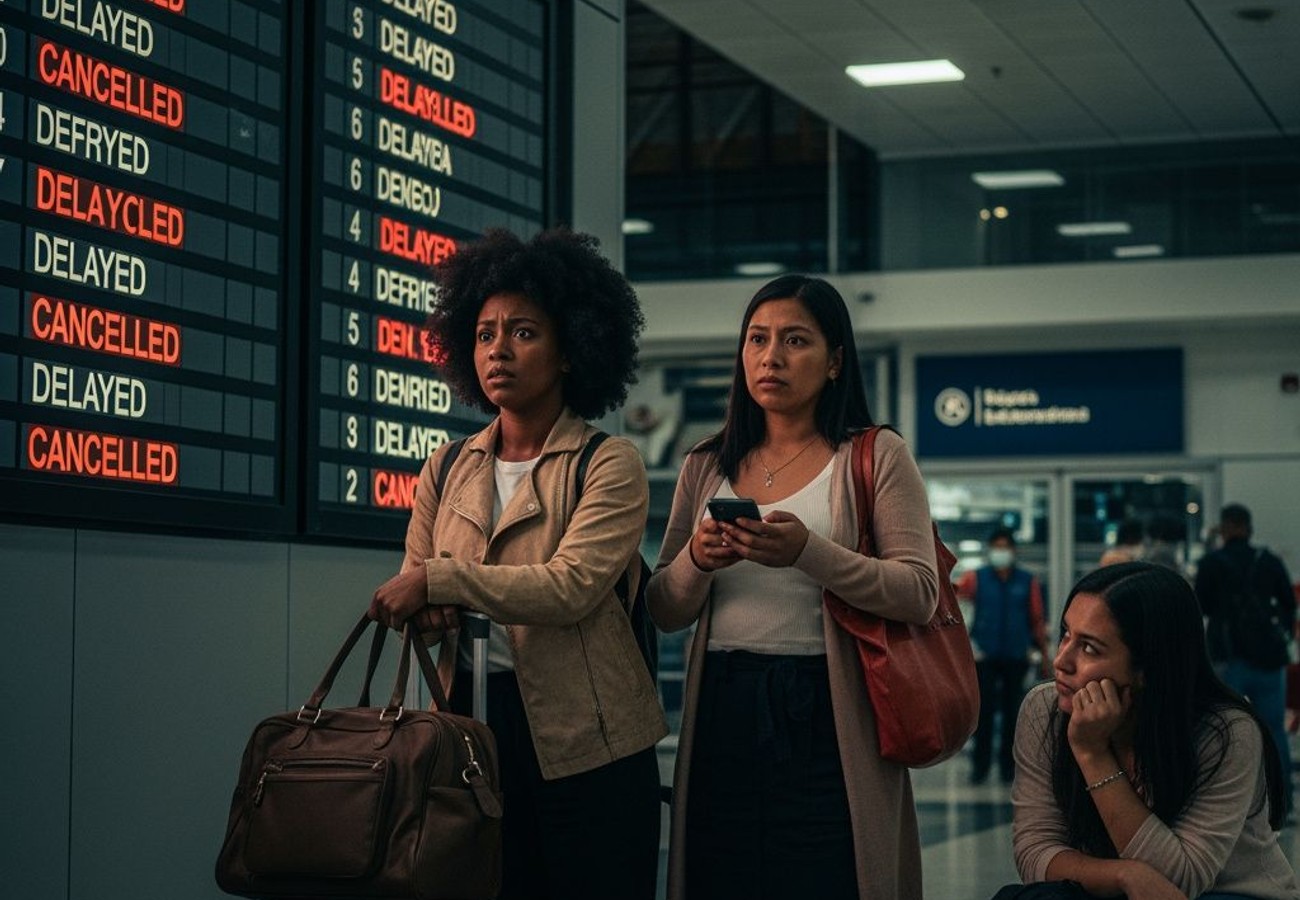
Image generated by AI
Major Flight Disruptions Strike Latin America's Busiest Hub
On June 19, 2026, operational chaos gripped El Dorado International Airport in Bogotá, Colombia, as Avianca and LATAM Airlines suspended a combined five flights, triggering a domino effect of delays across one of Latin America's most critical aviation gateways. The disruptions rippled outward, affecting passenger connectivity to the United States, Brazil, Ecuador, Spain, Panama, and beyond.
What started as a contained operational challenge at a single airport quickly transformed into a regional connectivity crisis. Passengers found themselves stranded, rebooked on overbooked flights, and scrambling to rearrange travel plans. The combination of flight cancellations and mounting delays created a perfect storm for business travelers and families alike.
The Cancellation Breakdown: By the Numbers
The data tells a stark story. Avianca cancelled three flights from El Dorado while managing three additional delays. LATAM Airlines Ecuador suspended two additional flights with no reported delays in their operations. Together, these suspensions represented a concentrated blow to regional air traffic during what should have been a routine Thursday.
| Airport | Airline | Cancelled Flights | Delayed Flights |
|---|---|---|---|
| El Dorado International (BOG) | Avianca | 3 | 3 |
| El Dorado International (BOG) | LATAM Airlines Ecuador | 2 | 0 |
The impact extended well beyond Bogotá's terminals. Secondary airports including Mariscal Sucre International in Quito, José María Córdova in Medellín, and São Paulo-Guarulhos in Brazil all reported cascading disruptions. This network effect demonstrates how a single hub's operational challenges can destabilize an entire region's air connectivity.
Reddit: "Lost my connection to Miami because of these Bogotá delays. Avianca's customer service was completely overwhelmed." — r/flights
Geographic Fallout: Which Cities Were Hardest Hit
The disruptions weren't confined to Colombia's capital. A sweeping geographic footprint emerged across the region, with Bogotá serving as the epicenter but far from the only affected location.
Primary impact zones included Quito, Ecuador; Medellín, Colombia; São Paulo, Brazil; Panama City, Panama; and San Salvador, El Salvador. Secondary disruptions rippled through smaller Colombian cities: Florencia, Neiva, Montería, Manizales, Quibdó, and Yopal all experienced notable delays as connecting flights were reassigned or cancelled.
International connectivity suffered especially. Passengers attempting to reach North American gateways faced rescheduled journeys. European routes—particularly those transiting through Madrid and other Spanish hubs—experienced knock-on effects as delayed inbound aircraft created outbound slot conflicts.
Why This Matters: The Connectivity Story
El Dorado International Airport handles over 35 million passengers annually, functioning as the primary gateway for Avianca (Colombia's flagship carrier) and a major South American hub for LATAM Airlines. When even five flights are suspended at this facility, the ripple effects extend across dozens of dependent flights and hundreds of downstream passengers.
The airport's critical importance to regional air networks means that operational disruptions here cascade faster than at smaller hubs. According to FlightAware's real-time tracking systems, delays at major Latin American hubs compound exponentially across international networks. A three-hour ground delay in Bogotá can translate to missed connections in Miami, Houston, or Los Angeles—affecting passengers who never set foot in Colombia.
What Happened to Your Flight: A Passenger Action Plan
If you were caught in this disruption, you weren't alone—and you had rights. Here's the exact protocol you should have followed:
Step One: Immediate Communication
The moment notification arrived (via email, text, or airline app), the clock started. Contact the airline directly: visit the airport service desk in person, or use the airline's phone line or online chat system. Queues are inevitable during disruptions, but digital channels often move faster than airport counters.
Step Two: Know Your Rights
This matters legally. Under EU regulations, passengers are entitled to compensation up to €600 depending on flight distance and cause. While Colombian carriers operate under different regulatory frameworks, Avianca and LATAM Airlines typically honor rebooking options and meal vouchers as standard policy for operational disruptions.
Step Three: Rebooking Strategy
Ask the airline for the next available seat on their network—but don't stop there. If no suitable option exists within 24 hours, investigate alternative carriers. Budget airlines, regional competitors, and even ground transportation (buses, trains) may offer viable alternatives. Some passengers successfully rebooked through partner airlines without additional charges.
Step Four: Documentation
Retain all emails, booking confirmations, and receipt documentation. Take screenshots of departure boards showing the cancellation. This evidence supports future compensation claims or insurance reimbursement requests.
The Bigger Picture: Latin American Aviation Resilience
These disruptions underscore a broader reality about Latin American aviation infrastructure. While hub airports like El Dorado operate at impressive capacity utilization rates, they maintain razor-thin operational margins. A single equipment issue, weather event, or air traffic control bottleneck can trigger cascading cancellations across regional networks.
Recent IATA reporting highlights that Latin American carriers have strengthened operational resilience since 2024, yet capacity constraints persist. The region's growing middle class and expanding business travel demand continue outpacing infrastructure development.
Avianca and LATAM Airlines—despite their operational challenges on June 19—maintain relatively strong safety and on-time performance records. Industry observers note that suspending flights preemptively (rather than operating overbooked or delayed services) demonstrates improved operational discipline. However, the passenger experience remains disrupted regardless of the underlying cause.
Real-Time Monitoring: How to Avoid Future Disruptions
Travelers transiting through El Dorado or any major Latin American hub should implement proactive monitoring strategies:
Enable push notifications through airline apps. Monitor FlightAware or similar real-time tracking platforms 24-48 hours before departure. For international connections, build in minimum four-hour layover buffers at major hubs. Book flights during off-peak windows (early morning or late evening) when operational backups have less cascading impact.
Looking Ahead: What Airlines Learned
Post-disruption, expect both Avianca and LATAM Airlines to implement adjusted scheduling protocols at El Dorado. Airlines typically increase ground time allocations and reduce scheduling density during peak periods following major operational incidents. Passengers may see longer airport dwell times but theoretically more reliable departures.
The June 19, 2026 incident will likely influence Bogotá's airport expansion planning. Colombia's aviation authority continues evaluating capacity enhancements, with El Dorado considering additional terminal facilities to reduce ground congestion and improve operational flexibility.
Keep your airline apps updated and your travel plans flexible—Latin American hubs demand it.
Related Travel Guides
Disclaimer
This article is for informational and educational purposes only. It does not constitute legal, financial, or professional advice. While we strive to provide accurate and up-to-date information, travel policies, regulations, and conditions change rapidly. Always verify information with official sources before making travel decisions. Nomad Lawyer makes no representations about the accuracy, reliability, completeness, or suitability of the information provided. Readers should consult qualified professionals for advice specific to their circumstances. The views expressed in this article are those of the author and do not necessarily reflect the views of Nomad Lawyer.
Preeti Gunjan
Contributor & Community Manager
A passionate traveller and community builder. Preeti helps grow the Nomad Lawyer community, fostering engagement and bringing the reader experience to life.
Learn more about our team →