
Austrian Airlines Accelerates Vienna-Burgas Flights to Support Eurovision 2027 Tourism Surge
Austrian Airlines is launching seasonal Vienna-Burgas flights earlier than usual on May 8, 2027, to accommodate the massive influx of international visitors attending the 71st Eurovision Song Contest in Bulgaria.

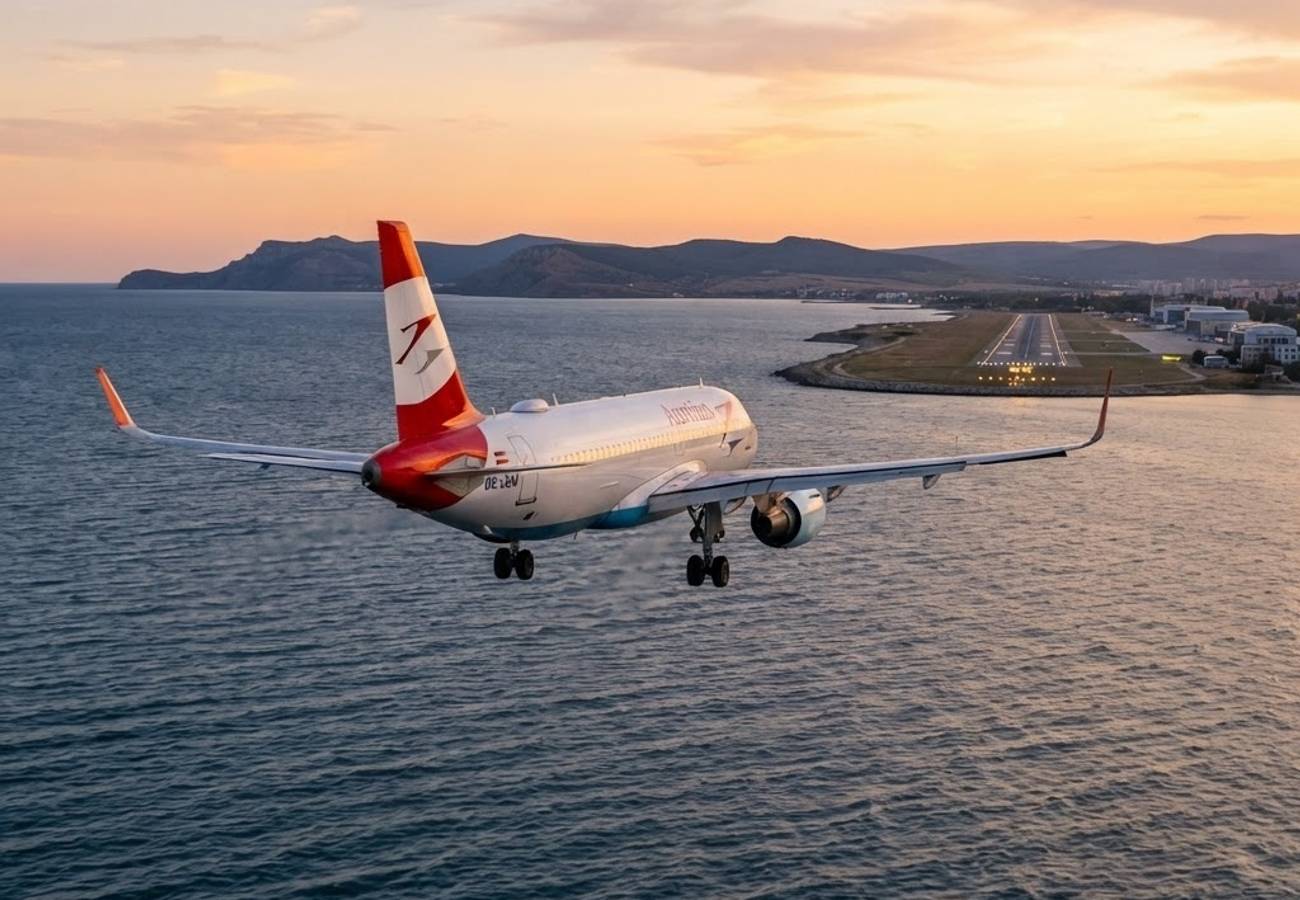
Image generated by AI
Thousands of international music fans, media delegations, and performers will have streamlined access to Bulgaria as Austrian Airlines shifts its seasonal Vienna-Burgas flight schedule to begin on May 8, 2027. This strategic operational change is designed to preempt the massive travel surge expected for the 71st Eurovision Song Contest, ensuring the Black Sea gateway can handle the influx of global visitors.
The decision to accelerate the flight calendar underscores a growing trend where "mega-events" dictate aviation logistics and airport capacity planning. Burgas, the host city for the May 2027 event, is currently preparing for a significant spike in demand that transcends traditional seasonal tourism patterns. By moving the route launch forward, the carrier aims to mitigate the logistical bottlenecks typically associated with high-profile international competitions.
Vienna Hub Facilitates Global Access to Burgas
The connection between Vienna and Burgas is poised to become a primary artery for international travel during the contest. Because Vienna International Airport serves as one of Europe's premier aviation hubs, it allows passengers from diverse global markets to transition seamlessly into Bulgaria without navigating multiple complex transfers.
For the Eurovision attendee, this means a reduction in travel friction. Rather than relying on fragmented regional connections or long-distance ground transport from Sofia, travelers can utilize the Vienna hub to land directly in the Black Sea region. This connectivity is expected to distribute the passenger load more evenly, preventing the overcrowding of local transport networks during the peak competition window.
Local commerce in Burgas stands to benefit directly from this increased accessibility. Industry reports suggest that the early flight availability will drive higher occupancy rates for hotels and increase foot traffic for restaurants and cultural attractions well before the first note is sung on stage.
Transforming Burgas into a Year-Round Global Destination
While Burgas is traditionally celebrated as a summer sanctuary known for its pristine beaches and coastal landscapes, the 2027 Eurovision hosting duties provide a rare opportunity to pivot the city's image. The event forces a shift in the tourism calendar, bringing global attention to the region in May, a period that typically precedes the peak summer rush.
Hosting one of the world's most-watched cultural events allows Bulgaria to showcase the versatility of the Black Sea coast. The early launch of Austrian Airlines' services is a tactical move to ensure that the city's infrastructure can support a demographic that extends beyond the typical sun-seeker, including high-spending media crews and official government delegations.
Reports indicate that Burgas Airport is likely to announce further capacity enhancements as the event draws closer. This may include additional charter options or expanded slots for other European carriers to ensure the city remains accessible to a wide array of international markets.
Strategic Aviation Planning for High-Demand Events
The acceleration of the Vienna-Burgas route is a prime example of "event-driven scheduling." Airlines are increasingly abandoning static seasonal calendars in favor of dynamic adjustments that mirror the demand spikes of global events. In this instance, the 71st Eurovision Song Contest has acted as the primary catalyst for capacity planning.
By securing flights as early as May 8, 2027, Austrian Airlines is providing a reliability guarantee to travelers. This allows for better planning of accommodation and ground logistics, reducing the risk of last-minute cancellations or exorbitant fare hikes that often plague event-based travel.
From a national perspective, this move aligns with Bulgaria's broader goal of enhancing its international tourism profile. By linking a major European gateway like Vienna to the Black Sea coast, the country is building a blueprint for how it can host future large-scale international gatherings.
Economic Implications for the Black Sea Region
The influx of visitors in May 2027 is expected to generate a substantial economic ripple effect. Unlike the traditional summer season, which relies heavily on leisure tourism, the Eurovision crowd brings a mix of professional and recreational spending.
Direct air connectivity is the linchpin of this economic growth. By removing travel barriers, the Vienna-Burgas route encourages spontaneous travel and longer stays. This shift benefits not only the aviation sector but also local transport providers, tour operators, and the hospitality industry, which can now market "Eurovision packages" with guaranteed flight availability.
Furthermore, the exposure gained from the event is expected to create a "legacy effect," where first-time visitors attending the contest return in subsequent years for leisure, effectively extending the tourism season and diversifying the city's economic base.
Logistics and Passenger Experience for 2027
As the countdown to the 2027 contest continues, the focus for travelers will shift toward securing limited accommodation and transport. The early flight schedule provides a critical window for fans to organize their itineraries.
For the passenger, the primary advantage is the ability to arrive in Burgas ahead of the main competition events. This avoids the "peak-day" chaos and allows for a more relaxed exploration of the host city. With aviation connectivity serving as the backbone of the event strategy, the early operational shift by Austrian Airlines marks the first major step in ensuring the 71st Eurovision Song Contest is a logistical success.
The strategic alignment of flight schedules and global events continues to redefine how international tourists experience emerging destinations.
Related Travel Guides
Disclaimer
This article is for informational and educational purposes only. It does not constitute legal, financial, or professional advice. While we strive to provide accurate and up-to-date information, travel policies, regulations, and conditions change rapidly. Always verify information with official sources before making travel decisions. Nomad Lawyer makes no representations about the accuracy, reliability, completeness, or suitability of the information provided. Readers should consult qualified professionals for advice specific to their circumstances. The views expressed in this article are those of the author and do not necessarily reflect the views of Nomad Lawyer.
Raushan Kumar
Founder & Lead Developer
Full-stack developer with 11+ years of experience and a passionate traveller. Raushan built Nomad Lawyer from the ground up with a vision to create the best travel and law experience on the web.
Learn more about our team →