
Australia Renewable Energy Aims to Protect Great Barrier Reef
Australia’s renewable energy transition supports sustainable tourism, helping protect natural wonders like the AUD $9 billion Great Barrier Reef.

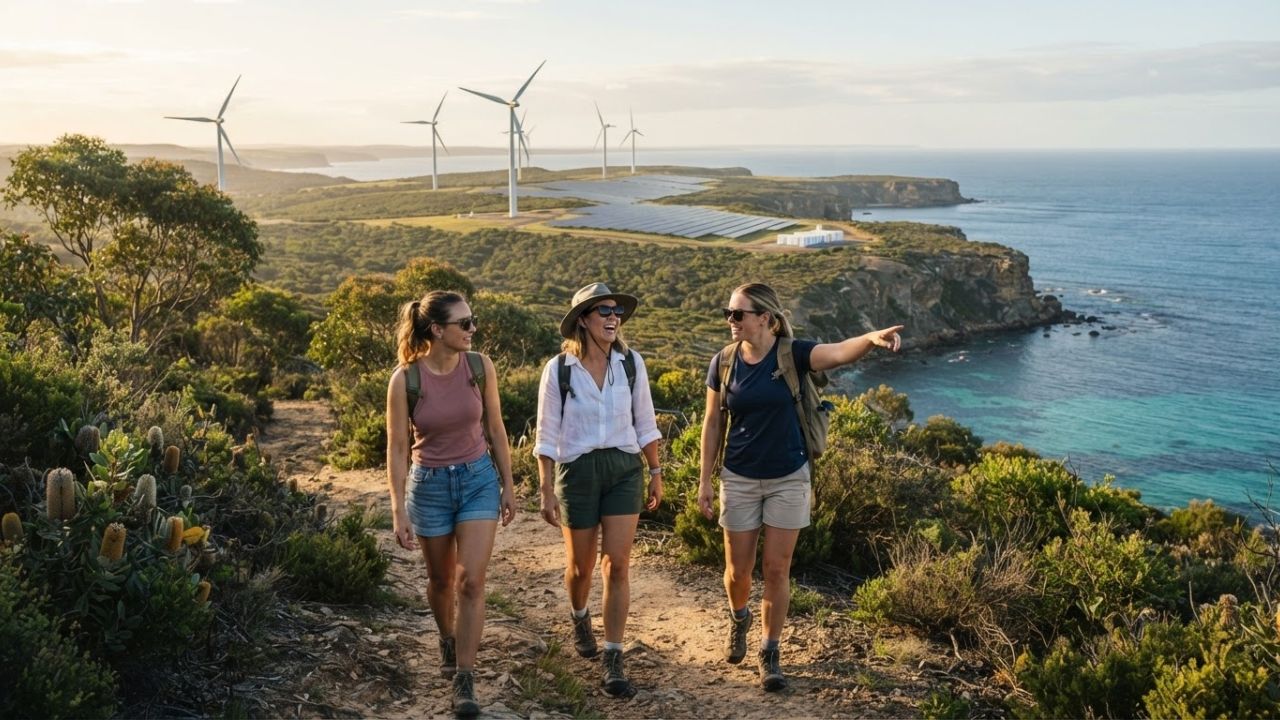
Image generated by AI
Australia’s rapid transition to renewable energy is transforming its visitor economy, securing the protection of natural wonders like the Great Barrier Reef which contributes AUD $9 billion annually. As wind, solar, and battery storage projects lower national electricity emissions, regional destinations are upgrading to clean-energy infrastructures to satisfy global demands for sustainable travel.
The Local Trend Revealed
Australia is integrating green electricity generation directly into its regional tourism hubs, allowing remote resorts and operators to run on zero-emission power grid structures. Reports from the Department of Climate Change, Energy, the Environment and Water (DCCEEW) and the Clean Energy Regulator outline these key developments:
- Emissions Reduction Progress: According to the National Greenhouse Gas Inventory Quarterly Update December 2025, electricity emissions fell significantly due to structural shifts toward renewable generation.
- Wind and Solar Dominance: Data from the Australian Bureau of Statistics (ABS) indicates solar and wind projects are contributing the largest share of new electricity supply, replacing high-emission coal power.
- Battery Integration: The Quarterly Carbon Market Report March Quarter 2026 highlights battery storage systems as the primary tool for securing power grid reliability, allowing solar energy captured during the day to power regional facilities at night.
- Reef Economic Value: Protecting natural ecosystems is vital for tourism. The Great Barrier Reef contributes approximately AUD $9 billion annually to the national economy and supports around 77,000 regional jobs, making carbon reductions vital for ocean preservation.
Local Community & Environmental Value
For the visitor, the real impact of sustainable travel is supporting indigenous-owned and community-focused businesses. Booking marine tours guided by Traditional Owners, purchasing handmade crafts directly from local cooperatives, and hiring local guides in remote zones keeps tourism income within regional economies.
Environmental protection is advanced by choosing eco-lodges that operate off-grid solar-and-battery networks. This minimizes local light pollution, protecting nocturnal wildlife and nesting seabirds. These sustainable operations align with guidelines monitored by the Great Barrier Reef Marine Park Authority (GBRMPA) and Tourism Australia.
Visitor Insider Tips for Sustainable Australia Travel
Travel and conservation specialists recommend the following practices:
- Select Certified Reef Operators: When visiting the reef from Cairns, choose operators certified under the "High Standard Tourism" program by Ecotourism Australia to ensure carbon-neutral vessels and guided marine biology education.
- Observe the Off-Peak Window: Visit the Great Barrier Reef in October. The water temperature is warm (around 26°C), trade winds are calm, stinger season is minimal, and crowds are low. For southern Australia (Victoria/Tasmania), travel in March and April for dry autumn weather and quiet national parks.
- Support Indigenous Tourism: Acknowledge the traditional owners of the land. Book guided walks at Cooya Beach with Kuku Yalanji guides to learn traditional coastal foraging techniques.
- Sample Regional Culinary Specialties:
- Taste grilled Barramundi sourced from sustainable regional fish farms.
- Try dishes cooked with native Australian ingredients like macadamia nuts and lemon myrtle.
- Try cold-climate Pinot Noir from Tasmania's Tamar Valley.
- Observe Park Etiquette: Do not climb sacred rock formations or leave trash behind. In Australia, tipping is not mandatory; rounding up bills at cafes or leaving 10 percent in fine-dining restaurants for exceptional service is appreciated.
- Explore Under-the-Radar Escapes: Skip the crowded beach trails in Port Douglas and visit Cooya Beach mangroves with Traditional Owners to learn traditional coastal crabbing.
Tourism Outlook
The long-term impact of Australia's green energy transition will be the preservation of its core nature-based tourism assets. By replacing fossil fuels with wind, solar, and battery storage networks, transport and park authorities aim to protect fragile ecosystems from warming oceans, ensuring Australia remains a leading sustainable destination for international travelers.
FAQ: Australia Renewable Energy and Tourism
How does Australia's renewable energy transition benefit the tourism industry? Clean energy generation allows hotels, eco-resorts, and attractions to lower their operational emissions, aligning with global sustainable travel trends and protecting natural destinations.
What is the annual economic contribution of the Great Barrier Reef? The Great Barrier Reef contributes approximately AUD $9 billion annually to the Australian economy and supports around 77,000 jobs.
What official reports track Australia's emissions reductions? Emissions progress is tracked by the DCCEEW's National Greenhouse Gas Inventory Quarterly Update and the Australian Bureau of Statistics emissions reduction theme.
How does battery storage support remote eco-lodges? Battery storage systems capture solar power during daylight hours and release it during peak evening demand, providing reliable, off-grid clean energy to remote destinations.
Related Travel Guides
Disclaimer
This article is for informational and educational purposes only. It does not constitute legal, financial, or professional advice. While we strive to provide accurate and up-to-date information, travel policies, regulations, and conditions change rapidly. Always verify information with official sources before making travel decisions. Nomad Lawyer makes no representations about the accuracy, reliability, completeness, or suitability of the information provided. Readers should consult qualified professionals for advice specific to their circumstances. The views expressed in this article are those of the author and do not necessarily reflect the views of Nomad Lawyer.
Raushan Kumar
Founder & Lead Developer
Full-stack developer with 11+ years of experience and a passionate traveller. Raushan built Nomad Lawyer from the ground up with a vision to create the best travel and law experience on the web.
Learn more about our team →