
Australia Issues High-Caution Travel Advisories for Brazil and Peru: 2026 Security and Logistics Guide
Australian authorities have issued high-caution advisories for Brazil and Peru due to political instability, urban crime, and emergency security measures. This guide outlines the logistics of navigating these regions during the 2026 election cycles and security crises.

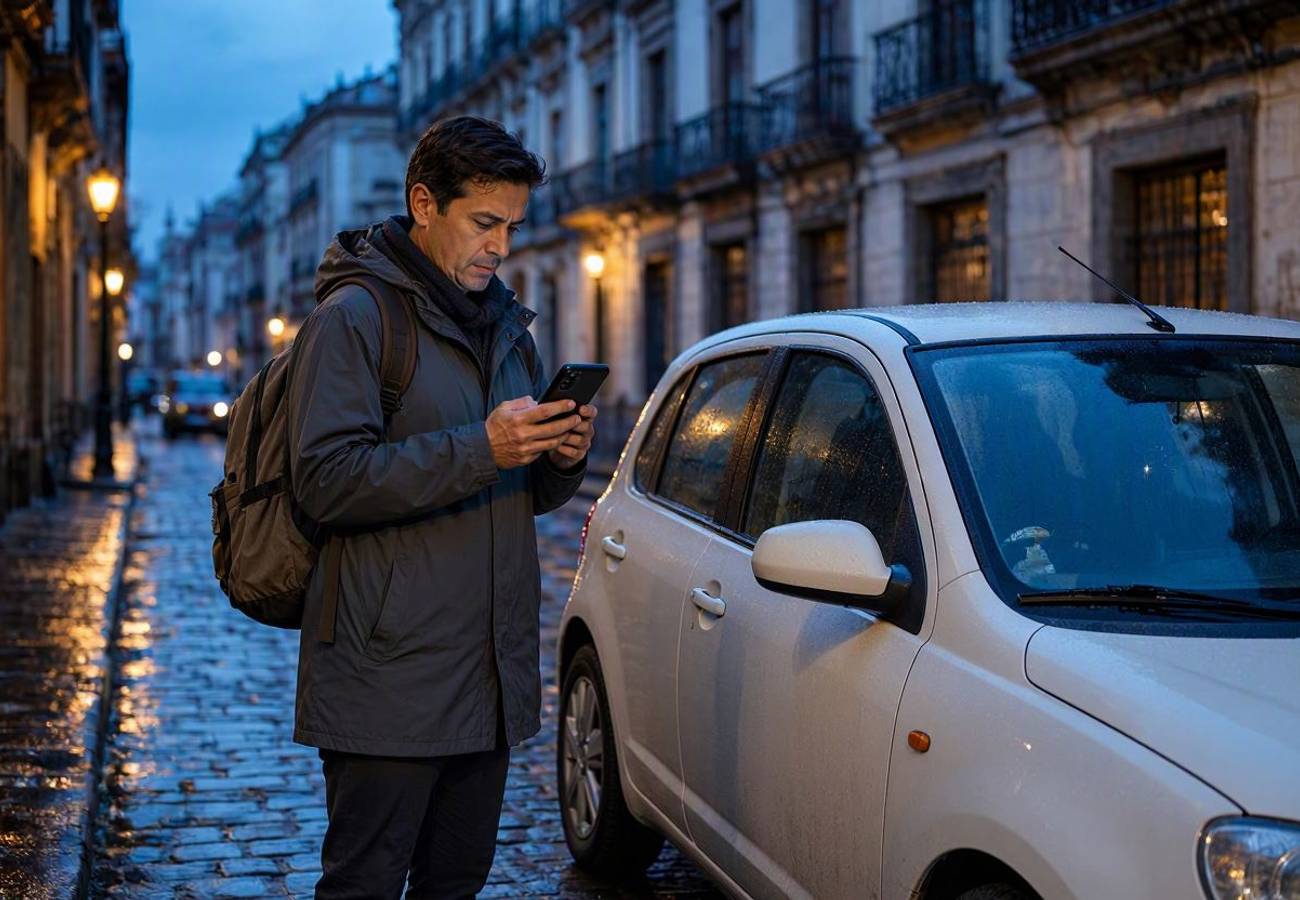
Image generated by AI
Are you planning a trip to South America during the current political volatility? If you are an Australian citizen or a traveler following Australian Department of Foreign Affairs and Trade (DFAT) guidelines, you need to be aware of the "high degree of caution" now required for Brazil and Peru.
The 2026 Security Shift in Brazil and Peru
Australia has elevated its travel guidance for Brazil and Peru, citing a combination of political instability, violent crime, and systemic security risks. In Brazil, the primary driver is the general election cycle, which creates a volatile environment in urban centers. In Peru, the situation is more structural, with a prolonged state of emergency in key administrative and transit hubs.
For the traveler, this does not mean a total cessation of movement, but it does require a shift in how you manage your ground logistics, document preparation, and daily movements.
Route and Security Status Details
The following table breaks down the specific risks and operational statuses for the primary affected regions.
| Region | Primary Risk Factor | Status/Timeline | Key Impact Area | Security Level |
|---|---|---|---|---|
| Brazil (National) | Political Protests | Oct 4 (Round 1), Oct 25 (Round 2), Jan 5, 2027 (Inauguration) | Brasília, São Paulo, Rio de Janeiro | High Caution |
| Brazil (Urban) | Violent Crime | Ongoing/Seasonal (Carnival) | Favelas, Isolated Beaches | High Caution |
| Peru (Lima/Callao) | State of Emergency | In effect since October 2025 | Historic Center of Lima | High Caution |
| Peru (Highlands) | Transport Disruption | Intermittent | Routes to Machu Picchu | High Caution |
| Peru (Urban) | Express Kidnapping | Ongoing | Lima, Cusco, Arequipa | High Caution |
Traveler Logistics Guide
Navigating these regions under a high-caution advisory requires a tactical approach to transport and documentation.
Brazil: Election and Urban Logistics
The window between October 4 and January 5, 2027, is high-risk for transit delays.
- Crowd Avoidance: Avoid all political gatherings and large-scale demonstrations. Security arrangements in Brasília and other major cities can change without notice.
- Ground Transport: Never hail a taxi on the street. Use official prepaid taxis or verified rideshare apps. Before entering any vehicle, manually verify that the driver's identity and license plate match the Uber or local app data.
- Urban Safety: Do not enter favelas, even on organized tours. Avoid walking alone at night or visiting secluded beaches.
- Weather Buffers: The wet season (November to July) frequently causes landslides and flooding. When booking domestic flights or bus connections, add a 24-hour buffer to your itinerary to account for weather-related cancellations.
Peru: Emergency Measures and Transit
Since October 2025, Lima and Callao have operated under emergency security protocols.
- Military Presence: Expect to see armed forces in public spaces. Follow all instructions from security personnel immediately.
- Transit to Machu Picchu: Political strikes often block the main arteries leading to heritage sites. Monitor local news and maintain a flexible hotel booking policy.
- Anti-Theft Tactics: Mobile phone theft is prevalent near roads. Avoid using your device while standing near traffic. Store passports and valuables in secure hotel safes, not in overhead bus racks.
- Adventure Logistics: For hiking or mountaineering, you must employ certified guides and carry GPS equipment that allows for real-time location sharing.
Entry and Visa Requirements
Documentation errors can lead to immediate deportation or denied entry.
- Brazil: A visa is mandatory for those covered by the advisory. You cannot obtain a visa upon arrival at land borders or airports. All paperwork must be finalized via the Brazilian Consulate before departure.
- Brazil (Families): If a Brazilian child (including dual nationals) is traveling with only one parent, written and notarized consent from the non-traveling parent is required for departure.
- Peru: Most tourists are granted a 90-day stay upon arrival without a visa. However, overstaying this period results in mandatory fines before exit. Emergency passports are accepted if they have at least six months of validity.
Regional Connectivity Impact
The current security climate is reshaping how travelers move through South America. In Peru, the reliance on unlicensed street taxis is becoming a significant liability, pushing travelers toward telephone dispatch systems and licensed apps. In Brazil, the election cycle is creating "blackout zones" in urban centers where transport may be diverted or halted entirely.
Furthermore, the intersection of severe weather and political instability in Brazil means that the traditional "tourist circuit" is more prone to collapse. Travelers are now encouraged to use decentralized booking platforms and maintain comprehensive travel insurance that specifically covers political evacuation and weather-related disruptions.
FAQ: Brazil and Peru Transit 2026
Do I need a visa for Brazil? Yes, if you are covered by the Australian advisory. Visas must be secured prior to departure; they are not available at the airport or land borders.
How long can I stay in Peru as a tourist? Most tourists are permitted to stay for up to 90 days without a visa. Ensure you do not exceed this limit to avoid fines.
Is it safe to take buses to Machu Picchu? While generally accessible, routes are subject to sudden closures due to political strikes. Use reputable operators and keep valuables on your person.
What should I do if I see a protest in Brasília? Leave the area immediately. Avoid large crowds and follow the directions of local authorities to ensure you are not caught in security cordons.
Stay vigilant, verify your transport, and always keep a digital backup of your entry permits.
Related Travel Guides
Disclaimer
This article is for informational and educational purposes only. It does not constitute legal, financial, or professional advice. While we strive to provide accurate and up-to-date information, travel policies, regulations, and conditions change rapidly. Always verify information with official sources before making travel decisions. Nomad Lawyer makes no representations about the accuracy, reliability, completeness, or suitability of the information provided. Readers should consult qualified professionals for advice specific to their circumstances. The views expressed in this article are those of the author and do not necessarily reflect the views of Nomad Lawyer.
Naina Thakur
Contributor & Travel Specialist
Travel enthusiast and legal writer covering visa regulations, responsible tourism, and cultural journeys across global destinations.
Learn more about our team →