
Australia Launches Digital Travel Declaration to Replace Paper Incoming Passenger Cards in 2026
Australia begins the national rollout of the Australia Digital Travel Declaration, replacing paper Incoming Passenger Cards to streamline border processing for millions of international arrivals.

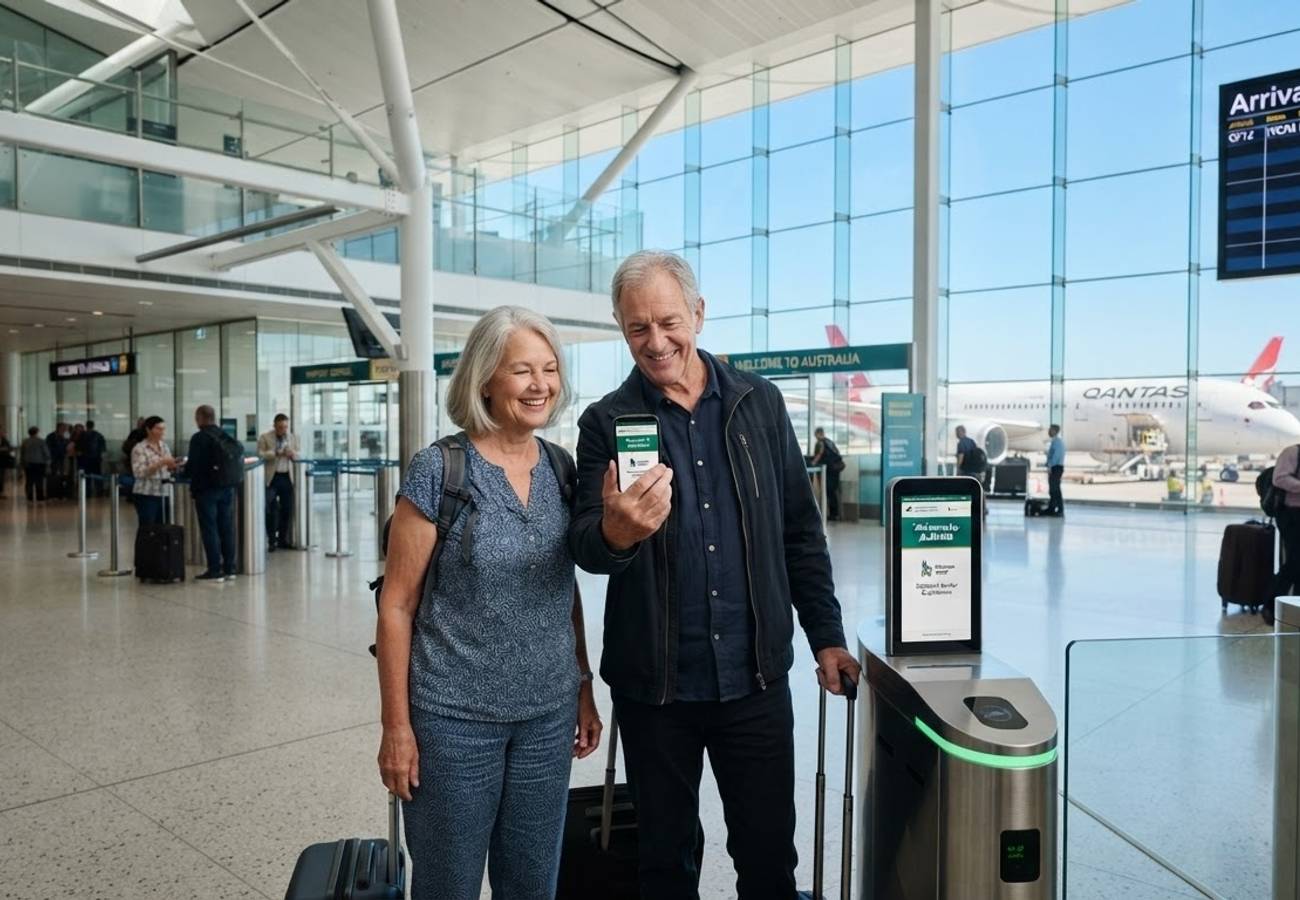
Image generated by AI
The Australian government has initiated the national rollout of the Australia Digital Travel Declaration, a strategic move to eliminate the decades-old paper Incoming Passenger Card. This transition aims to digitize the border experience for all international visitors and returning Australian citizens.
The deployment will occur progressively over the next 12 to 18 months. The decision follows successful pilot programs at major gateways, specifically Sydney, Melbourne, and Brisbane airports.
The Shift to Digital Border Management
The Australia Digital Travel Declaration removes the requirement for passengers to complete physical forms during flights or upon arrival. Eligible travelers will now submit their arrival information via an online platform.
Industry observers note that this transition is a response to the rapid recovery of international travel. By moving to a digital-first model, border authorities can process higher passenger volumes with greater precision and reduced physical congestion in arrival halls.
Key Implementation Details:
- Scope: Applies to both international tourists and returning Australian citizens.
- Phased Rollout: National implementation over 12 to 18 months.
- Trial Status: Completed at Sydney, Melbourne, and Brisbane; upcoming trials scheduled for Perth and Adelaide.
- Objective: Full replacement of the paper Incoming Passenger Card.
Infrastructure Pressure and Passenger Volume
The modernization is driven by a significant surge in traffic. In 2025, Australian airports managed nearly 45 million international passenger movements. Without digital intervention, the physical infrastructure of arrival halls faces potential bottlenecks.
The scale of the challenge is evident at Sydney Airport, the nation's busiest gateway, which recorded over 17 million international passengers in 2025. To maintain operational viability, Sydney Airport is planning for a future capacity of up to 72 million passengers annually by 2045.
Passenger Volume and Projections
| Metric | 2025 Data | 2040 Projection |
|---|---|---|
| Total International Passenger Movements | Nearly 45 Million | Exceed 86 Million |
| Sydney Airport International Passengers | 17+ Million | (Capacity target: 72M by 2045) |
Why This Matters: Industry Implication
Our analysis of the flight data and infrastructure goals indicates that this is not merely a convenience upgrade, but a necessity for national security and economic scalability.
The leap from 45 million to a projected 86 million passengers by 2040 renders paper-based systems obsolete. Physical cards create "friction points" in the arrival journey—specifically the search for pens and forms—which slow down the flow of people through sterile zones. By shifting the data collection phase to pre-arrival, the government effectively moves the "processing" time from the airport floor to the passenger's own device.
Furthermore, this digital foundation is critical for the 2032 Brisbane Olympic and Paralympic Games. Large-scale global events create unprecedented spikes in border traffic; a digital declaration system allows the government to scale its processing capacity instantaneously without needing to build more physical desks or hire thousands of additional manual clerks.
Forward Outlook
The immediate future will see a hybrid environment where both paper and digital options exist during the 12-to-18-month transition. Travelers should expect a gradual phase-out of physical cards.
Market trends suggest that this is the first step toward a fully "contactless" border. Future integrations will likely involve biometric linking, where the Digital Travel Declaration is tied directly to facial recognition gates, further reducing the time spent at manual checkpoints.
Australia is effectively migrating its border security from a reactive paper model to a proactive digital ecosystem.
Related Travel Guides
Disclaimer
This article is for informational and educational purposes only. It does not constitute legal, financial, or professional advice. While we strive to provide accurate and up-to-date information, travel policies, regulations, and conditions change rapidly. Always verify information with official sources before making travel decisions. Nomad Lawyer makes no representations about the accuracy, reliability, completeness, or suitability of the information provided. Readers should consult qualified professionals for advice specific to their circumstances. The views expressed in this article are those of the author and do not necessarily reflect the views of Nomad Lawyer.
Raushan Kumar
Founder & Lead Developer
Full-stack developer with 11+ years of experience and a passionate traveller. Raushan built Nomad Lawyer from the ground up with a vision to create the best travel and law experience on the web.
Learn more about our team →