
Aurora Expeditions Just Deployed AI and Drones for Historic East Antarctica Return — Here's What Travelers Need to Know
Aurora Expeditions successfully returned to East Antarctica after 15 years, utilizing advanced AI routing and drone-assisted scouting for a record-breaking 2025-26 season.

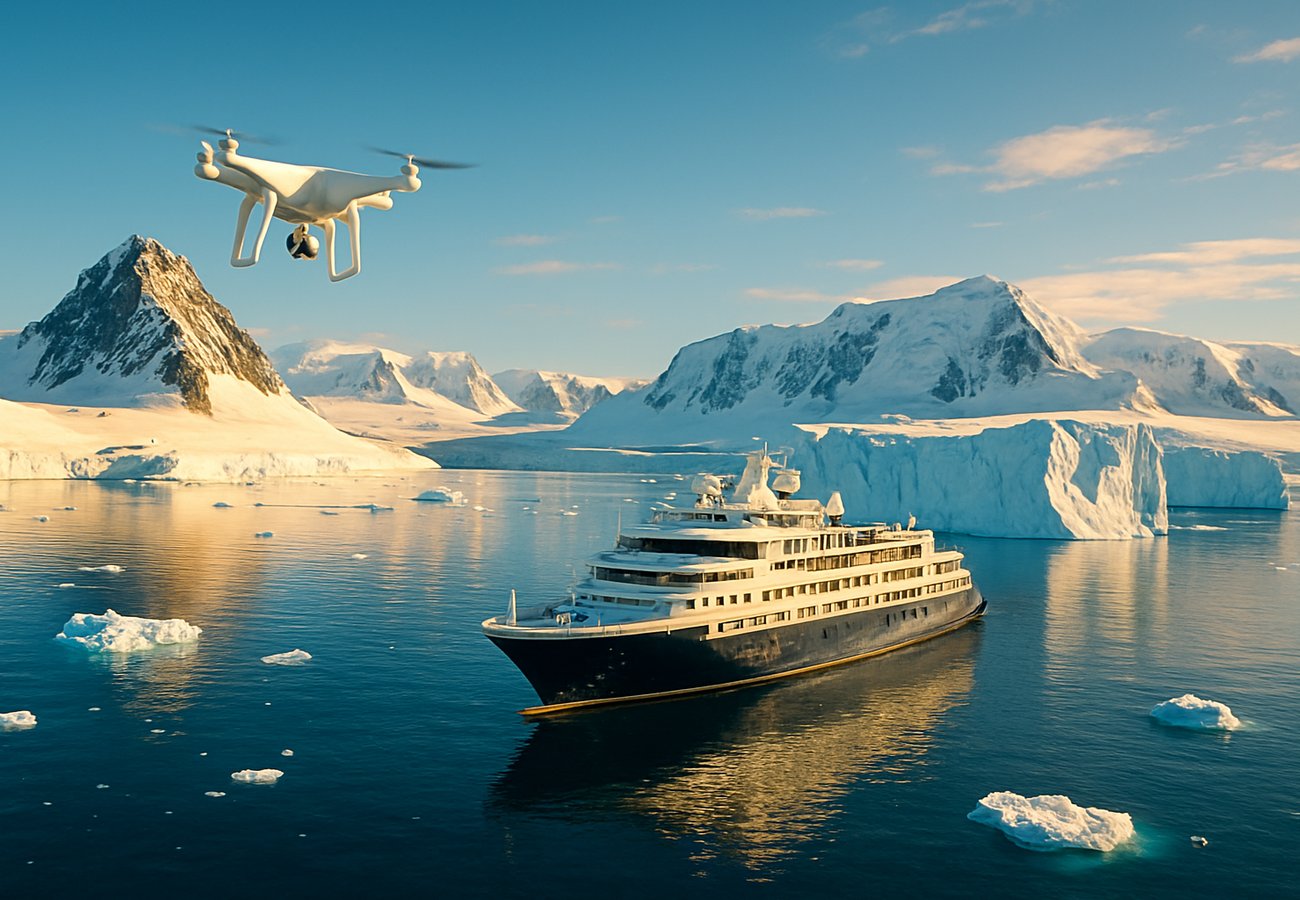
Image generated by AI
Quick Summary
- Aurora Expeditions has officially completed a historic, highly anticipated return to the incredibly remote East Antarctica after a massive 15-year absence.
- The company successfully deployed advanced drone-assisted scouting and AI-powered routing systems to safely navigate the harsh, unpredictable polar environment.
- The 2025-26 season was the largest in the company's 35-year history, featuring 30 massive voyages, 819 shore landings, and a 30% surge in global expeditioners.
- In a massive push for sustainability, ships were actively equipped with high-tech microplastic filtration systems to heavily protect the pristine polar ecosystems.
After a massive 15-year absence, Aurora Expeditions has officially returned to the incredibly remote, untouched wilderness of East Antarctica. During a record-breaking 2025-26 season, the pioneering company successfully utilized highly advanced AI-powered routing and drone-assisted scouting to safely navigate expeditioners through one of the most inaccessible, breathtaking regions on the planet. This historic season represents a massive leap forward in sustainable, high-tech polar exploration.
The 15-Year Return to East Antarctica
East Antarctica has long remained one of the absolute least explored, most inaccessible regions of the entire continent. Known for its massive, pristine landscapes and incredibly unique biodiversity, returning to this specific sector has been a massive logistical challenge for the global cruise industry.
By successfully revisiting this spectacular destination after a 15-year hiatus, Aurora Expeditions provided guests with an incredibly rare, exclusive chance to experience a deeply isolated environment that very few humans have ever seen firsthand. The highly anticipated return heavily emphasizes the company’s ongoing commitment to offering extraordinary, highly immersive travel experiences far beyond the standard Antarctic Peninsula routes.
Key Facts & Highlights
- The Milestone: A highly successful, historic return to East Antarctica after 15 years.
- The Numbers: The 2025-26 season executed 30 voyages, 819 landings, and hosted a 30% surge in global expeditioners from 56 countries.
- The Tech: Massive integration of AI-powered routing systems and drone-assisted ice scouting.
- The Record: The new Douglas Mawson vessel successfully reached an unprecedented latitude of 78 degrees 44.405 minutes south.
Deploying AI and Drones in the Deep South
Navigating the incredibly harsh, highly unpredictable waters of East Antarctica requires massive technological precision. To ensure the absolute highest levels of safety and operational efficiency, Aurora Expeditions aggressively integrated cutting-edge technology into its 2025-26 program.
The company officially introduced AI-powered routing systems, which actively use real-time marine data to heavily optimize travel paths, improve bridge safety, and significantly reduce the massive carbon footprint of each voyage. Furthermore, bridge teams utilized drone-assisted scouting. By deploying advanced drones into the frigid air, the crew received real-time visual data for highly accurate ice assessments and landing site selections, ensuring maximum safety for both the crew and the 819 executed shore landings.
Microplastic Filtration and Citizen Science
Aurora’s massive operational expansion was heavily balanced by a deep, unwavering commitment to environmental sustainability. The company took a massive step forward by actively implementing cutting-edge microplastic filtration systems directly on its ships. These systems actively remove harmful microplastics from the vessel's water systems, aggressively preventing further pollution in the highly pristine polar environment.
Simultaneously, the season featured massive guest engagement in environmental stewardship. Expeditioners actively contributed thousands of hours to rigorous citizen science initiatives, directly monitoring whale and seabird populations, collecting vital oceanographic data, and observing long-term changes in the fragile polar ecosystem.
A Record-Breaking Season by the Numbers
The 2025-26 season marks an incredibly significant leap in Aurora's operations. The company successfully deployed three ships in Antarctica simultaneously—a massive first in its 35-year history—made possible by the highly anticipated debut of the Douglas Mawson in November.
Guest engagement was absolutely staggering. The season featured an exhilarating 2,835 traditional polar plunges and hosted 269 deeply educational onboard lectures covering polar science, conservation, and the massive history of early exploration.
What This Means for Travelers
For adventurous travelers, East Antarctica is officially open for highly sustainable exploration. Future expeditioners should immediately expect a much more tech-forward, eco-conscious journey. With the successful integration of AI navigation and drone scouting, cruise operators can now safely offer unprecedented access to the deepest, most remote regions of the Earth, provided travelers are willing to actively participate in vital citizen science conservation efforts.
Conclusion
Aurora Expeditions’ massive 15-year return to East Antarctica successfully proves that high-tech innovation and strict environmental sustainability can perfectly coexist in the world's harshest environments. By heavily utilizing AI, drones, and microplastic filtration, the company is actively shaping the future of global polar travel, ensuring that the icy wilderness remains perfectly preserved for generations to come.
Frequently Asked Questions (FAQ)
Why is East Antarctica so difficult to visit? East Antarctica is incredibly remote and highly inaccessible, featuring harsher sea conditions and thicker ice than the traditional Antarctic Peninsula, requiring massive logistical planning and advanced navigation.
How did Aurora Expeditions use AI and drones? The company utilized AI-powered routing to heavily optimize travel paths and reduce carbon emissions, while deploying drones to assist bridge teams with real-time ice and landing site assessments.
What was the massive record broken this season? The newly debuted Douglas Mawson vessel successfully reached an unprecedented latitude of 78 degrees 44.405 minutes south, setting a massive new record for the southernmost voyage ever undertaken by Aurora.
What are microplastic filtration systems? These advanced onboard systems are designed to actively filter and remove harmful microplastics from the ship's water before discharge, heavily protecting the pristine Antarctic marine ecosystem from plastic pollution.
Related Travel Guides
Aurora Expeditions Smashed Antarctica Cruise Records
Disclaimer
This article is for informational and educational purposes only. It does not constitute legal, financial, or professional advice. While we strive to provide accurate and up-to-date information, travel policies, regulations, and conditions change rapidly. Always verify information with official sources before making travel decisions. Nomad Lawyer makes no representations about the accuracy, reliability, completeness, or suitability of the information provided. Readers should consult qualified professionals for advice specific to their circumstances. The views expressed in this article are those of the author and do not necessarily reflect the views of Nomad Lawyer.
Kunal K Choudhary
Co-Founder & Contributor
A passionate traveller and tech enthusiast. Kunal contributes to the vision and growth of Nomad Lawyer, bringing fresh perspectives and driving the community forward.
Learn more about our team →