
Atlanta Storm Delays Disrupt 300+ Flights as Hartsfield-Jackson Faces Severe Weather
Severe thunderstorms pounded Georgia on April 7, 2026, triggering 73 cancellations and 300+ delays at Hartsfield-Jackson Atlanta International Airport. The disruption cascaded across U.S. routes and transatlantic services, affecting thousands of travelers nationwide.

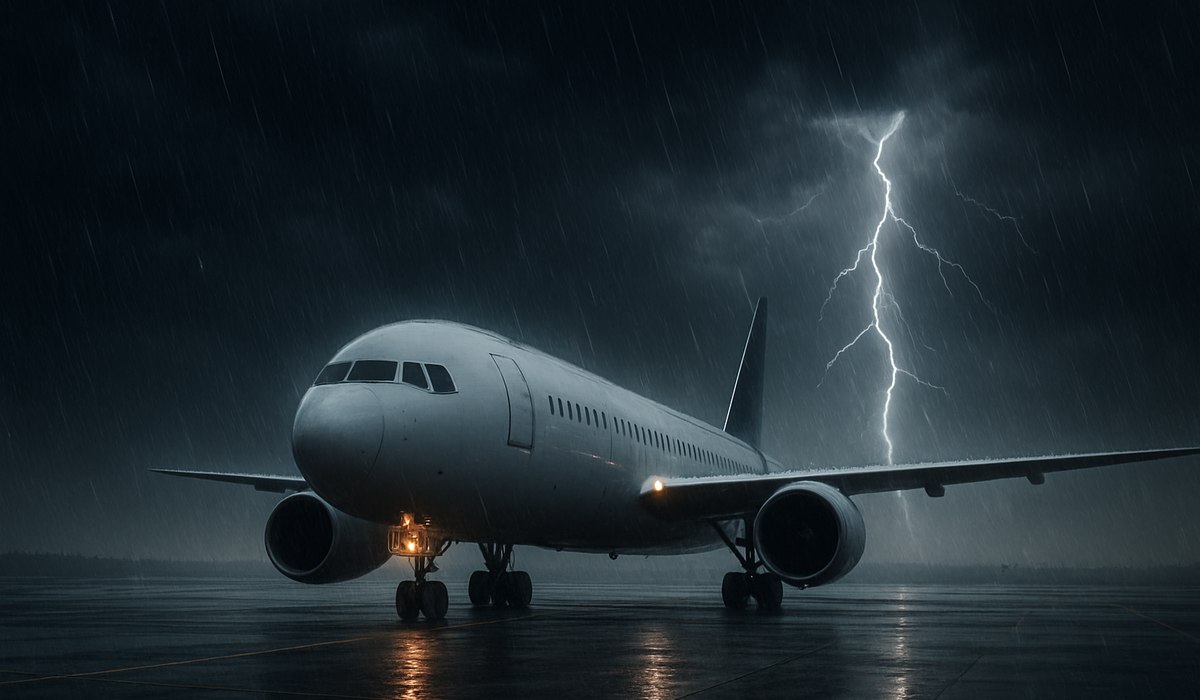
Image generated by AI
Severe Weather Triggers Cascading Disruptions at Nation's Busiest Hub
Hartsfield-Jackson Atlanta International Airport (ATL) faced severe operational strain on April 7, 2026, as powerful thunderstorms swept across Georgia. Flight-tracking data documented 73 cancellations and more than 300 delays at the nation's busiest airport by passenger volume. The weather system persisted into April 8, with approximately 186 delayed flights and 24 additional cancellations reported. These figures underscore how quickly severe weather at this critical hub reverberates through the entire U.S. aviation network, affecting connections to dozens of domestic and international destinations.
The disruption stems from a series of thunderstorm systems producing heavy rain, low cloud ceilings, and gusty winds across the Southeast. Federal air-traffic controllers implemented ground delay programs and temporary ground stops to maintain safe separation between aircraft during the most intense periods. Recovery efforts extended beyond the peak storm hours, as airlines struggled to reposition aircraft and crews to their intended destinations.
Storm Systems Converge Over the Nation's Busiest Hub
Meteorological analysis revealed multiple rounds of thunderstorm activity impacting the Atlanta region throughout early April. These systems brought severe wind gusts, reduced visibility, and precipitation rates that overwhelmed airfield drainage systems. The Federal Aviation Administration (FAA) data confirmed that weather-related capacity restrictions reduced the airport's ability to process departures and arrivals safely.
What made this particular weather event especially disruptive was its timing during the Easter travel period—one of the year's busiest seasons for leisure travel. Airlines had scheduled maximum capacity flights through Atlanta, leaving little room to absorb operational disruptions. When thunderstorms forced ground delays, the resulting compression of departures created bottlenecks at security checkpoints and boarding gates. Passengers reported wait times exceeding two hours just to clear TSA screening.
Atlanta's role as a primary hub for one of the nation's largest carriers amplifies the impact of local weather disruptions. The airport connects dozens of smaller U.S. cities with major coastal gateways and international destinations. When inbound flights arrive late due to storms, outbound departures using the same aircraft and crews must also be delayed, creating a domino effect across the network.
Cascade Effect: Regional and Transatlantic Impact
The operational disruption at Hartsfield-Jackson rippled far beyond Georgia's borders. On April 7 alone, more than 300 delayed flights generated missed connections and rolling disruptions on routes linking Atlanta to major cities including New York, Chicago, Miami, Orlando, Dallas, and Los Angeles. Passengers booked on connecting flights experienced unexpected layovers and uncertainty about reaching their final destinations on schedule.
Transatlantic routes proved particularly vulnerable. International departures scheduled to connect through Atlanta faced cascading delays, affecting travelers booked on services to London, Paris, Dublin, and other European cities. Airlines operating these transatlantic flights must maintain strict departure windows to accommodate international air-traffic control coordination. Weather-driven delays at Atlanta sometimes forced airlines to cancel international segments entirely rather than permit excessive departure delays.
The network effects extended beyond Atlanta itself. When aircraft and crews remain grounded in Georgia due to weather, they become unavailable for scheduled flights departing from other cities later in the day. This "aircraft out of position" scenario forces airlines to cancel or significantly delay subsequent flights from Dallas, Denver, Charlotte, and other connecting hubs. Crew duty-time regulations further constrain recovery options—if pilots and flight attendants exceed their legally mandated working hours due to weather delays, airlines must cancel remaining flights until crew members can rest.
Check real-time flight status on FlightAware for current delays and cancellations.
Winter Pattern Continues: A Bruising Season for Atlanta
This April weather event represents the latest in a series of severe disruptions affecting Hartsfield-Jackson during an exceptionally turbulent 2026 travel season. In late January, a significant winter storm dropped heavy ice and snow across Georgia, triggering nearly 1,200 cancellations at Atlanta in a single day. March delivered additional severe weather episodes, each producing ground stops, extended security lines, and lengthy recovery periods.
The cumulative toll on travelers has been substantial. Passengers throughout the first four months of 2026 have experienced elevated cancellation rates, longer flight times due to routing around severe weather areas, and increased instances of involuntary rebooking. Airlines serving Atlanta have struggled to maintain crew scheduling efficiency and aircraft availability, sometimes requiring them to borrow planes from other regions to restore normal service levels.
Weather patterns for spring 2026 appear to show above-average severe weather frequency across the Southeast. This trend suggests that Atlanta travelers should anticipate potential disruptions through May and early June. Airlines have begun modifying schedules slightly, building in additional buffer time for recovery and reducing peak-hour departure frequencies to absorb unexpected delays more easily.
Operational Challenges and Ground Delay Programs
When weather threatens an airport's safe operating capacity, the FAA implements ground delay programs (GDPs) to manage the flow of arriving and departing aircraft. During April 7's thunderstorm activity, controllers established delays averaging 30 to 60 minutes, meaning aircraft bound for Atlanta were held at their departure airports until conditions improved sufficiently to resume normal landing operations.
Ground delay programs prevent the dangerous situation where too many aircraft queue for landing simultaneously during severe weather. By managing demand at the source—holding planes at their origin airports—controllers maintain orderly flow and prevent bottlenecks over the airport. However, GDPs create visible disruption for passengers waiting at gates, as departure times extend repeatedly.
Temporary ground stops represent the most severe operational restriction. A ground stop halts all departures and arrivals until conditions improve or the airport demonstrates it can safely resume service. During April 7's worst weather periods, Atlanta experienced brief ground stops lasting 45 to 90 minutes. When a ground stop lifts, the pent-up demand creates compressed departure windows as airlines rush aircraft off the tarmac.
The FAA's official website provides current ground delay program information and airport status updates. Airlines must inform passengers of significant delays or cancellations under U.S. Department of Transportation regulations. Check the DOT consumer protection rules for your rights regarding delays and cancellations.
| Metric | April 7, 2026 | April 8, 2026 | Impact Level |
|---|---|---|---|
| Cancellations at ATL | 73 | 24 | Severe |
| Delayed Flights at ATL | 300+ | 186 | Major |
| Ground Delay Programs | Multiple | Reduced | Ongoing |
| Regional Route Disruptions | Widespread | Moderate | Significant |
| Transatlantic Cancellations | 8-12 | 2-3 | Notable |
| Passenger Rebooking Requests | 10,000+ | 4,500+ | High Volume |
What This Means for Travelers: Action Checklist
The April 2026 atlanta storm delays demonstrate why advance preparation matters when traveling through major hubs during severe weather season.
-
Check your airline's website 24 hours before departure for any schedule changes or weather advisories affecting your flights through Atlanta.
-
Monitor weather forecasts for the Southeast throughout your travel week. Download a weather app with severe storm alerts enabled.
-
Arrive at the airport earlier than usual—plan for at least 3 hours for domestic connections and 4 hours for international flights. Severe weather often triggers longer security lines.
-
Build connection time flexibility into your itinerary. Avoid tight 60-minute connections through Atlanta; request bookings with at least 90 minutes
Disclaimer
This article is for informational and educational purposes only. It does not constitute legal, financial, or professional advice. While we strive to provide accurate and up-to-date information, travel policies, regulations, and conditions change rapidly. Always verify information with official sources before making travel decisions. Nomad Lawyer makes no representations about the accuracy, reliability, completeness, or suitability of the information provided. Readers should consult qualified professionals for advice specific to their circumstances. The views expressed in this article are those of the author and do not necessarily reflect the views of Nomad Lawyer.
Kunal K Choudhary
Co-Founder & Contributor
A passionate traveller and tech enthusiast. Kunal contributes to the vision and growth of Nomad Lawyer, bringing fresh perspectives and driving the community forward.
Learn more about our team →