
Aspen, Vail, Park City, Telluride and Stowe Lead US Winter Tourism Growth in 2026
Elite mountain destinations including Aspen, Vail, and Park City are redefining the American snow holiday experience through a blend of luxury infrastructure and outdoor adventure.

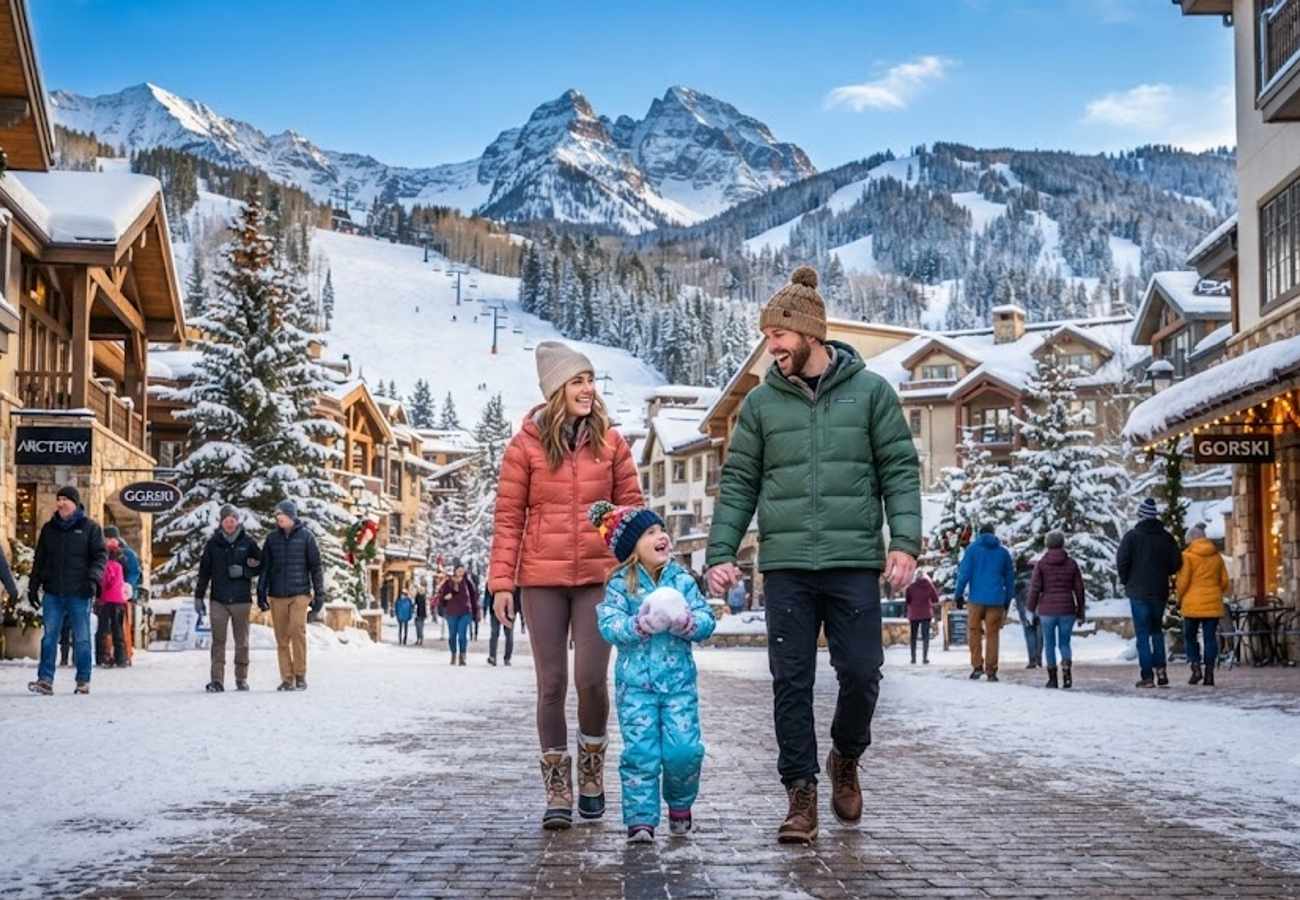
Image generated by AI
[City, Date] — High-altitude destinations across the United States, specifically Aspen, Vail, Park City, Telluride, and Stowe, are seeing a surge in global popularity as they refine the luxury snow holiday experience. These mountain hubs are successfully attracting a mix of domestic visitors and a steadily returning international demographic by integrating world-class skiing with high-end hospitality and cultural attractions.
The appeal of these regions extends beyond athletic pursuits, evolving into comprehensive lifestyle destinations. While the primary draw remains the fresh powder and dramatic peaks, the current growth is driven by a demand for "slow travel," where visitors prioritize wellness, alpine aesthetics, and secluded luxury retreats.
The Strategic Appeal of American Mountain Towns for Winter Escapes
The inherent charm of these destinations during the winter months is centered on the transformation of the landscape. As snow blankets rooftops and forests, and alpine lakes freeze, the infrastructure shifts to support a dual-track tourism model: high-intensity sports and deep relaxation.
Industry reports indicate that a significant portion of visitors now seek "non-skiing" winter experiences. This includes stays in traditional wooden cabins, the use of mountain-view suites, and a focus on cozy, hearth-centered leisure. For families, the draw includes sleigh rides and cable-car excursions, while solo travelers are increasingly frequenting local boutiques and quiet mountain trails. This diversification ensures that these towns remain viable throughout the entire winter season, regardless of a visitor's skill level on the slopes.
Aspen Maintains Luxury Dominance in the Colorado Rockies
Aspen continues to function as a primary global brand for luxury winter travel. Situated high in the Colorado Rockies, the town has successfully balanced its identity as a premier skiing destination with its status as a cultural hub.
The region's skiing infrastructure, specifically Aspen Mountain and Snowmass, provides the expansive terrain required to attract professional and enthusiast skiers from around the world. However, the town center has become a destination in its own right. Visitors frequently engage with high-end art galleries, gourmet dining, and sophisticated spa resorts. Despite the high cost of entry, Aspen's ability to merge modern luxury with rugged mountain charm keeps it at the forefront of the American winter travel market.
Vail and Breckenridge Scale Colorado's Winter Tourism
Colorado's footprint in the winter market is anchored by Vail and Breckenridge, two destinations that offer distinct versions of the alpine experience.
Vail is designed to emulate a European mountain village, featuring pedestrian-friendly alpine streets, luxury shopping, and meticulously planned architecture. This aesthetic, combined with vast skiable acreage, creates a festive atmosphere that is highly attractive to international tourists.
Conversely, Breckenridge leverages its history as a gold-rush town to provide a more rustic, authentic feel. Because it operates at a very high elevation, Breckenridge often benefits from heavier snowfall, extending the viable skiing window deeper into the winter. Both towns are diversifying their revenue streams by promoting mountain biking and hiking during the warmer months, though winter remains the primary economic driver for local businesses and hospitality providers.
Park City Integrates High-Altitude Sport with Global Culture
Utah's Park City has carved out a unique niche by blending one of the largest ski operations in the United States with a vibrant cultural calendar. The town is most notable for its proximity to Salt Lake City, which allows for rapid access for short-term visitors and international arrivals.
A defining characteristic of Park City is its role as a host for the Sundance Film Festival. This event transforms the town into a global media hub, bringing in celebrities and industry executives who coexist with the traditional skiing crowd. This intersection of cinema and snow allows Park City to maintain high occupancy rates and a diverse visitor profile that differs from the more sport-centric resorts in Colorado.
Stowe and Lake Placid Preserve East Coast Alpine Traditions
In the Northeast, Stowe and Lake Placid provide a contrast to the sprawling resorts of the West, offering a more intimate and historic winter experience.
Stowe, located in the Green Mountains of Vermont, is characterized by its peaceful atmosphere, covered bridges, and small-scale inns. It caters to a demographic seeking a slower pace of life and a more personal connection to the landscape.
Lake Placid, New York, maintains a prestigious athletic identity due to its history as a host for the Winter Olympics in 1932 and 1980. Visitors are drawn to the town's Olympic venues and the scenic vistas of the Adirondack Mountains. Together, these two destinations highlight the viability of nature-based, family-oriented winter travel in the eastern United States.
Jackson and Big Sky Offer Wilderness-Centric Adventures
For travelers seeking a more rugged experience, Wyoming and Montana provide gateways to some of the most pristine landscapes in North America.
Jackson, positioned near Grand Teton and Yellowstone National Parks, offers a "wild" winter experience. Beyond the high-performance terrain of Jackson Hole Mountain Resort, the area is a prime location for wildlife viewing, where visitors frequently encounter bison and elk in the snow.
Big Sky in Montana is noted for its immense scale and lower crowd density compared to Colorado's hubs. It appeals to those who prioritize silence and vast open spaces over the social buzz of a luxury village. These destinations serve as critical anchors for nature-based tourism in the American West.
Southern Mountain Escapes in Gatlinburg and Asheville
Winter tourism is not exclusive to the northern latitudes. In the South, Gatlinburg and Asheville provide "cool weather" alternatives that attract a different segment of the market.
Gatlinburg, Tennessee, utilizes its proximity to the Great Smoky Mountains National Park to draw families into a setting of mountain cabins and scenic lifts. While the snowfall is less intense than in the Rockies, the atmospheric appeal remains strong. Similarly, Asheville, North Carolina, leverages the Blue Ridge Mountains to offer a blend of art, food, and culture. Winter in Asheville is often marketed as a quieter, less crowded alternative to the peak autumn foliage season.
The Evolution and Sustainability of US Winter Travel
The trajectory of American mountain towns is shifting toward a year-round operational model. While winter remains the core identity, there is a visible move toward integrating wellness, gastronomy, and cultural festivals to mitigate the risks associated with climate change.
Resorts are increasingly investing in non-ski activities—such as advanced spa facilities and guided snow walks—to ensure economic stability even during low-snow years. This strategic pivot protects local employment and ensures that the infrastructure remains profitable throughout the calendar year.
The American alpine experience is evolving from a seasonal sport into a permanent luxury lifestyle destination.
Related Travel Guides
Disclaimer
This article is for informational and educational purposes only. It does not constitute legal, financial, or professional advice. While we strive to provide accurate and up-to-date information, travel policies, regulations, and conditions change rapidly. Always verify information with official sources before making travel decisions. Nomad Lawyer makes no representations about the accuracy, reliability, completeness, or suitability of the information provided. Readers should consult qualified professionals for advice specific to their circumstances. The views expressed in this article are those of the author and do not necessarily reflect the views of Nomad Lawyer.
Raushan Kumar
Founder & Lead Developer
Full-stack developer with 11+ years of experience and a passionate traveller. Raushan built Nomad Lawyer from the ground up with a vision to create the best travel and law experience on the web.
Learn more about our team →