
Asia Tourism Boom 2026: Geopolitical Disruption Reshapes Global Flight Routes
Middle Eastern airspace closures are accelerating an Asia tourism boom in 2026, forcing airlines to reroute capacity and redirecting luxury travelers toward Asian hubs like Singapore, Bangkok, and Tokyo.

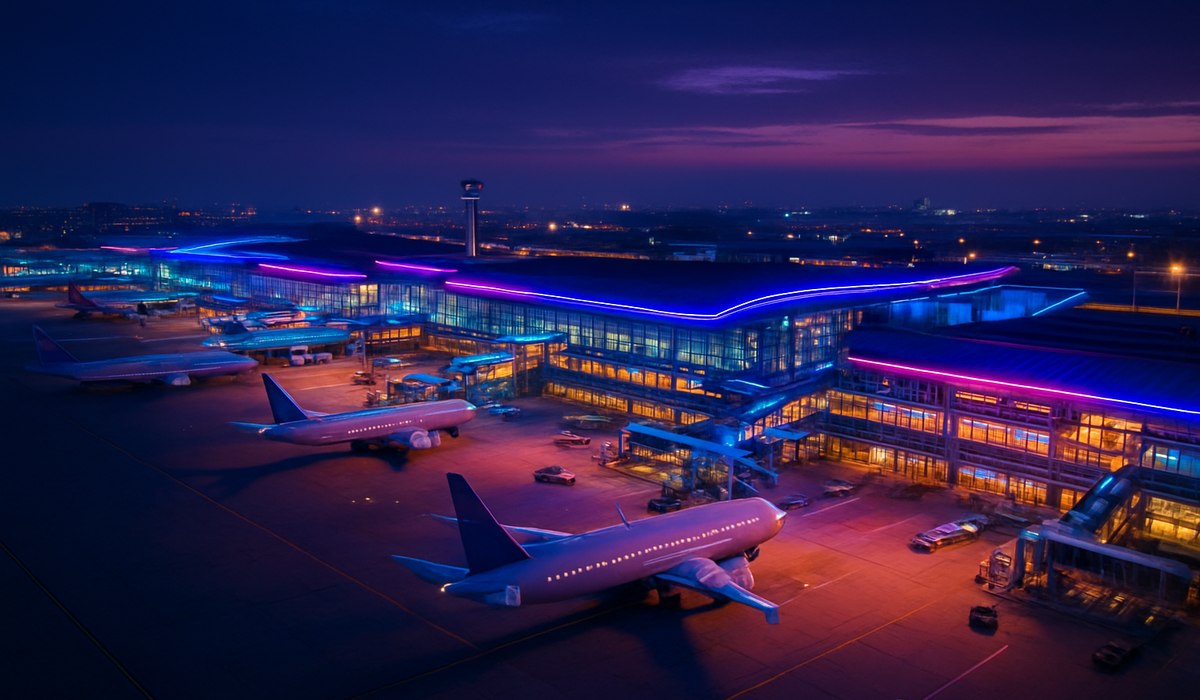
Image generated by AI
Regional Conflict Triggers Historic Shift in Global Aviation and Tourism
Widespread airspace closures over the Middle East are fundamentally restructuring international travel patterns in 2026, accelerating visitor flows toward Asia's rapidly recovering tourism hubs. Since late February, heightened geopolitical tensions involving Iran, the United States, and Israel have forced mass flight cancellations and diversions away from traditional Gulf connecting points in Dubai, Abu Dhabi, and Doha. The result: airlines are permanently rerouting long-haul capacity toward Southeast Asian and East Asian airports, while luxury travelers are abandoning Gulf shopping destinations for more accessible Asian cities. Industry analysts now project that this structural shift will define the Asia tourism boom through 2027, with Asian hubs capturing connecting traffic and high-spending visitors previously funneled through the Middle East.
How Airspace Closures Are Disrupting Traditional Flight Hubs
Flight-tracking data and aviation analytics confirm that major Gulf hub airports have experienced sustained operational disruption since late February 2026. Dubai, Abu Dhabi, and Doha typically process tens of thousands of connecting passengers daily between Europe, Africa, and Asia—a network now fractured by security concerns and airspace restrictions. Rather than wait for uncertain reopenings, airlines have deployed aircraft toward alternative routing via Central Asia, Southern Europe, and direct transpolar corridors. These detours add flight time and operational costs, but they keep links to Asian destinations viable. Fuel price surges and temporary aircraft groundings have amplified the impact on carriers dependent on Gulf hub operations. Industry projections indicate that major airlines will maintain expanded capacity on routes that entirely bypass the Middle East, fundamentally reshaping the regional balance of global aviation for years to come. According to the International Air Transport Association, carriers are accelerating fleet deployment decisions to codify these changes into permanent route networks.
Asian Cities Capitalize on Rerouted Connecting Traffic
Asia's tourism boom in 2026 is being turbo-charged by airlines redirecting capacity away from the disrupted Middle East. Singapore, Bangkok, Seoul, and Tokyo are the primary beneficiaries of this redistribution, each positioned as alternative connection hubs for European-to-Asia and intra-Asia travel. Singapore's Changi Airport and Bangkok's Suvarnabhumi have already announced expanded ground handling capacity to accommodate displaced connecting passengers. Seoul's Incheon Airport is adding regional flight frequencies to capture traffic from Central Asia and Northern Europe that previously routed through the Gulf. These airports are investing in rapid baggage handling upgrades and retail expansion to serve the influx of transit passengers, many of whom now spend six to twelve additional hours in these hubs compared to traditional Gulf stopover routes. UN Tourism data confirms Asia-Pacific welcomed approximately 331 million international arrivals in 2025, representing a 6 percent year-on-year increase and positioning the region as the fastest-growing tourism market globally. The Asia tourism boom reflects both recovery momentum and this newly accelerated capacity shift away from geopolitically disrupted zones.
Luxury Spending Redirects From Gulf to Asian Destinations
Retail and hospitality analytics reveal a marked decline in high-net-worth traveler visits to Gulf destinations since February 2026, with corresponding surges in luxury hotel and shopping center traffic across Southeast Asia and East Asia. Visitor spending in Dubai malls, Abu Dhabi's Yas Island, and Doha's premium hotels has softened notably, driven by both geopolitical uncertainty and deliberate route changes by affluent travelers. This demand is not disappearing—it is migrating eastward. Singapore's Orchard Road, Bangkok's luxury districts, Tokyo's Ginza quarter, and Seoul's Gangnam shopping centers are experiencing unprecedented booking increases from international high-spenders. Five-star hotels in Singapore, Tokyo, and Bangkok report occupancy rates exceeding 85 percent in spring 2026, compared to historical 70 percent averages. Travel trend reports indicate that affluent visitors are now combining shopping, leisure, and cultural experiences within single Asian itineraries, choosing cities they can reach via newly expanded direct or one-stop connections without Gulf hub reliance. This shift represents a structural reallocation of luxury tourism dollars within the Asia tourism boom, favoring destinations with improved accessibility and reduced travel friction.
What Airlines Are Doing to Adapt Routes Long-Term
Major international carriers have moved beyond temporary rerouting and begun permanent fleet redeployment to cement the shift toward Asian hubs. Airlines including Singapore Airlines, Thai Airways, Japan Airlines, and Korean Air are adding aircraft to routes connecting Europe directly to their primary hubs, reducing reliance on Gulf connection options. Western carriers such as Lufthansa and British Airways have permanently expanded capacity on Singapore, Bangkok, and Tokyo routes while reducing daily frequencies through Middle Eastern gateways. Fuel hedging strategies and operational planning now factor in sustained Middle Eastern airspace restrictions, making Asian routing the default rather than the contingency option. Airlines have also adjusted scheduling to better coordinate connections through Asian hubs, reducing passenger wait times and improving transfer experience quality. Industry consultants note that this represents a rare permanent restructuring of global aviation architecture, comparable to major route realignments following historical geopolitical shifts. The Asia tourism boom of 2026-2027 will be directly enabled by these carrier decisions to prioritize Asian connectivity over historical Gulf hub dependency.
Current State of Asian Tourism Recovery and Forecasts
National statistics and tourism board data paint a picture of robust regional recovery exceeding pre-pandemic expectations. Japan welcomed 36.9 million visitors in 2024, while Thailand received 35.5 million and South Korea more than 16 million international arrivals. Southeast Asia's collective inbound tourism exceeded 120 million arrivals in 2024, with Thailand, Malaysia, Vietnam, Indonesia, and Singapore all posting double-digit growth rates. Vietnam specifically reached approximately 17.5 million international visitors in 2024, supported by visa waivers and simplified e-visa programs introduced across Southeast Asian nations. The Asia tourism boom is being sustained by four key factors: visa policy liberalization, favorable currency exchange rates, expanded flight capacity, and improving domestic infrastructure in hospitality and transportation. Forecasts from the United Nations World Tourism Organization project Asia-Pacific will outpace all other global regions in visitor growth through 2027, with compound annual growth rates ranging from 5 to 8 percent. The geopolitical disruption in the Middle East accelerates rather than initiates this trajectory, channeling existing demand toward Asian destinations through improved connectivity.
| Data Point | 2024-2025 Figure | 2026 Projection | Impact on Asia Tourism Boom |
|---|---|---|---|
| Asia-Pacific annual arrivals | 331 million (2025) | 350+ million | Sustained high growth enabled by improved hub connectivity |
| Japanese visitor arrivals | 36.9 million (2024) | 39-42 million | Weak yen drives sustained bookings; expanded flight capacity |
| Thailand international arrivals | 35.5 million (2024) | 37-40 million | Increased connecting traffic via Bangkok hub capacity |
| Gulf hub daily connecting passengers (pre-disruption) | 150,000+ | Diverted to Asian hubs | Direct shift toward Singapore, Bangkok, Seoul routing |
| Average airfare premiums on Middle East routes | +15-22% (Feb-Apr 2026) | Normalization expected Q3 2026 | Temporary cost increase drives alternative routing preference |
| Luxury hotel occupancy in Singapore, Bangkok, Tokyo | 85%+ (Apr 2026) | 80-88% (sustained) | Affluent travelers concentrated in accessible Asian cities |
What This Means for Travelers
The geopolitical disruption reshaping global aviation directly affects how, when, and where you travel in 2026 and beyond. Here are actionable takeaways for nomadic professionals and leisure travelers:
- **Expect longer connecting times in Asian hubs.
Disclaimer
This article is for informational and educational purposes only. It does not constitute legal, financial, or professional advice. While we strive to provide accurate and up-to-date information, travel policies, regulations, and conditions change rapidly. Always verify information with official sources before making travel decisions. Nomad Lawyer makes no representations about the accuracy, reliability, completeness, or suitability of the information provided. Readers should consult qualified professionals for advice specific to their circumstances. The views expressed in this article are those of the author and do not necessarily reflect the views of Nomad Lawyer.
Preeti Gunjan
Contributor & Community Manager
A passionate traveller and community builder. Preeti helps grow the Nomad Lawyer community, fostering engagement and bringing the reader experience to life.
Learn more about our team →