Asia Pacific Aviation Crisis 2026: Rising Jet Fuel Costs and Aircraft Shortages Threaten Regional Flights

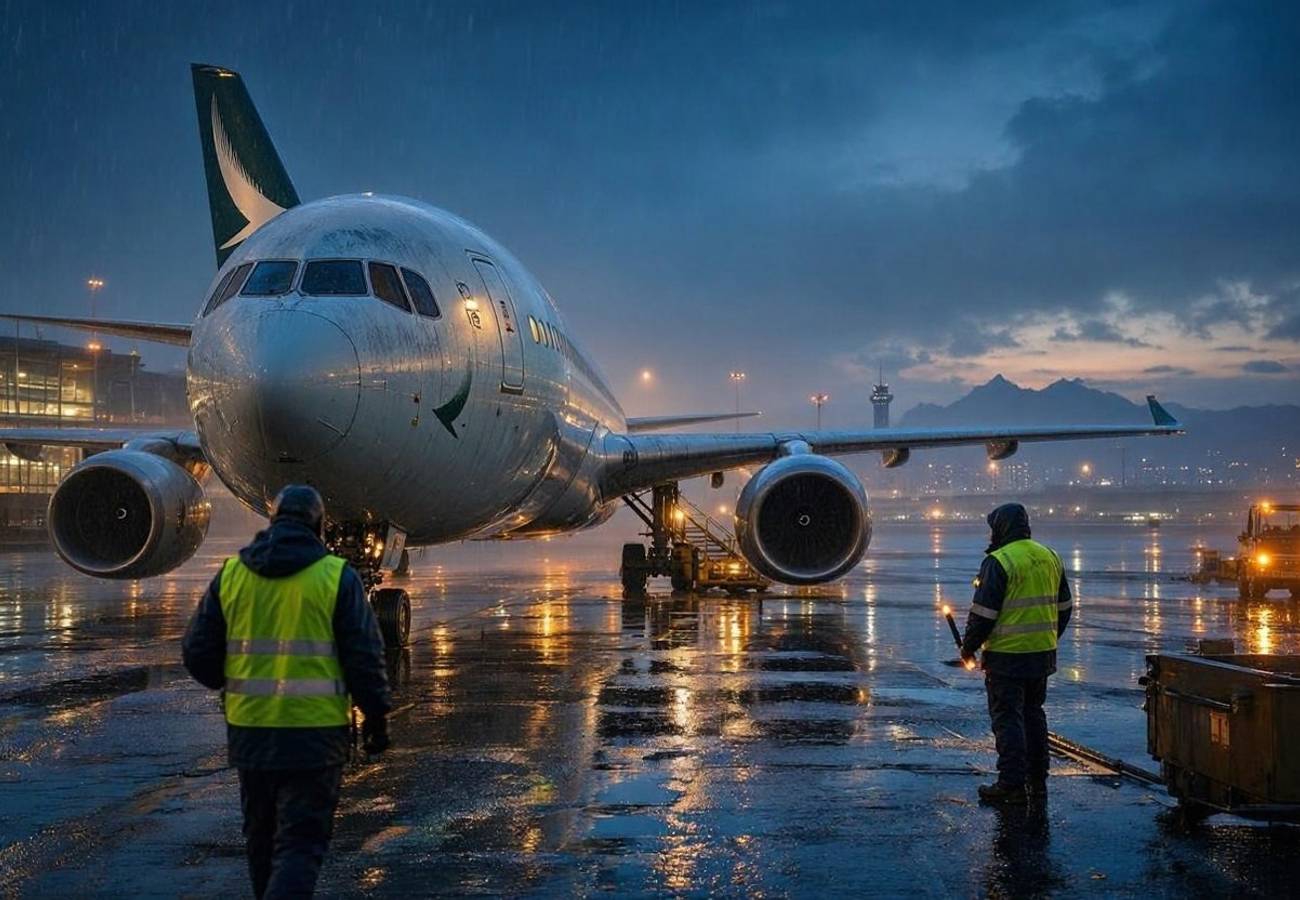
Image generated by AI
Jet fuel prices in the Asia Pacific region skyrocketed by approximately 80% year-on-year, leaping from US$87 per barrel in March 2025 to roughly US$156 per barrel by March 2026. This massive price swing has placed regional carriers in a financial vice, forcing them to balance the necessity of operational safety with the need to keep tickets affordable for a traveling public that is still eager to fly.
The Profitability Paradox in Asia Pacific Aviation
The aviation sector in Asia Pacific is currently experiencing a strange contradiction: people want to travel more than ever, but the cost of moving them is becoming unsustainable. During the 70th Assembly of Presidents held in Kuala Lumpur on 12–13 November 2026, the Association of Asia Pacific Airlines (AAPA) highlighted a precarious environment where strong demand is being offset by mounting operating expenses.
Hosted by Malaysia Airlines, the gathering of over 170 aviation delegates revealed that carriers are not just fighting fuel prices. They are trapped in a cycle of aircraft delivery delays and maintenance bottlenecks. When new, fuel-efficient planes fail to arrive on schedule, airlines are forced to keep older, thirstier aircraft in the air, which in turn increases maintenance costs and fuel burn.
What Makes the Current Crisis Different
Unlike typical economic dips, the 2026 crisis is a multi-front war. While fuel is the most visible culprit—accounting for roughly 30% of total operating expenses for regional carriers—the underlying structural issues are more complex.
Geopolitical tensions have forced airlines to reroute flights, adding mileage and fuel consumption to journeys that were once direct. Simultaneously, labor shortages are hitting operational efficiency, meaning planes spend more time on the tarmac and less time in the air generating revenue. For the nomad or frequent flyer, this manifests as "phantom" schedule changes or sudden price hikes on routes where competition is low.
To understand the broader regulatory environment, travelers can refer to the International Civil Aviation Organization (ICAO) for global standards on aviation safety and emissions.
Regional Aviation Cost and Demand Metrics
The following data reflects the financial and operational pressures recorded by the AAPA during the 2026 period.
| Metric | 2025 Value | 2026 Value | Change / Status |
|---|---|---|---|
| Avg. Jet Fuel Price (March) | US$87 / barrel | US$156 / barrel | ~80% Increase |
| Int'l Passengers (Jan-Sept) | Base Period | 289.5 Million | +1.9% |
| Avg. Passenger Load Factor | 82.1% | 83.4% | +1.3% |
| Sept Int'l Passengers | Base Period | 30.4 Million | +0.7% |
| Sept Revenue Passenger KM | Base Period | — | +5.9% |
| Sept Seat Capacity | Base Period | — | +6.8% |
Visitor Insider Tips for the 2026 Travel Climate
If you are planning travel across Southeast Asia or the Pacific, the current financial instability of airlines means you need a different strategy than in previous years.
- The "Booking Gap" Strategy: Airlines often sell tickets months in advance based on fuel projections. If fuel prices spike, they cannot change your price, but they may be more likely to cancel "unprofitable" routes. Book your must-do flights early, but keep a flexible backup plan for secondary regional hops.
- Route Selection: Focus on hubs with high competition. On routes where only one carrier operates, you are more likely to see "fuel surcharges" passed directly to the consumer.
- Load Factor Awareness: With load factors hitting 83.4%, flights are filling up. To avoid the stress of overbooked flights, aim for mid-week departures (Tuesday/Wednesday), which typically see lower demand than the weekend peaks.
- Transport Alternatives: In regions like Malaysia or Thailand, consider high-speed rail or luxury coach options for distances under 500km to avoid the volatility of short-haul airfares. For official travel requirements and visa updates, check the Visit Malaysia official portal.
Cultural and Environmental Context
The struggle of Asia Pacific airlines is not just a corporate balance sheet issue; it is a regional development crisis. Aviation is the lifeblood of tourism-dependent economies in the Pacific and Southeast Asia. When airlines struggle, the connectivity to remote islands and rural provinces suffers first.
Furthermore, the delay in new aircraft deliveries is a blow to environmental goals. Older planes emit more CO2 and noise pollution. The industry is caught in a loop: they need new planes to lower fuel costs and emissions, but the global supply chain is failing to deliver them. This puts immense pressure on the UNESCO World Heritage sites located in these regions, as the push for higher passenger volumes to offset costs can lead to over-tourism in fragile ecological zones.
FAQ: Visiting Asia Pacific 2026
Why are my flight prices fluctuating so much? Airlines are dealing with an 80% increase in jet fuel costs and are adjusting fares in real-time to avoid losses. Additionally, aircraft shortages mean fewer seats are available, driving up prices.
Is it safe to book flights far in advance? Generally yes, but be aware that airlines facing severe financial pressure may adjust schedules or cancel less profitable routes. Always use a credit card with good travel insurance.
Which regions are most affected by these costs? Long-haul routes and destinations with limited airline competition are seeing the most significant price increases, as these flights consume the most fuel.
How do aircraft shortages affect my travel experience? You may notice more "equipment changes" (e.g., a larger plane replaced by a smaller one) or increased delays due to maintenance bottlenecks on older fleets.
The sky remains open, but the cost of the journey is being rewritten in real-time.
Related Travel Guides
This article is for informational purposes. Flight routes, passenger regulations, visa rules, and transit advisories are subject to change by airlines and aviation authorities. Readers are advised to verify schedules and travel documentation with relevant carriers and border agencies before departure.
Related Stories
United and Delta Lead US Fleet Overhaul: 2026 Analysis of Fuel-Efficient Aircraft and Regional Shifts
Oceania to USA Thanksgiving 2026: Logistics Guide for Qantas, Air New Zealand and Fiji Airways