Asia Aviation Crisis 2026: 4,863 Flights Delayed and 221 Cancelled Across China, India, and Middle East

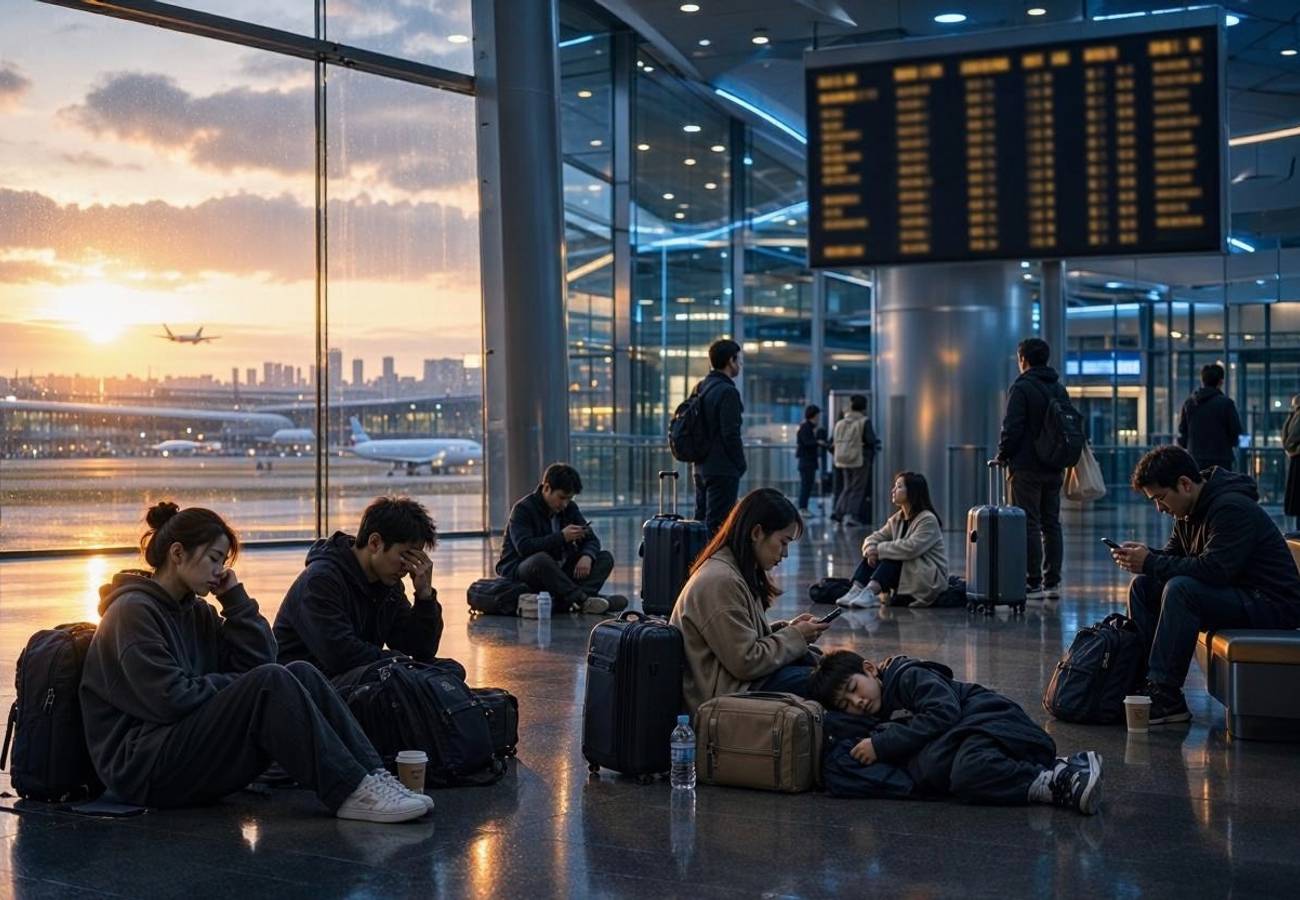
Image generated by AI
[Bangkok, November 16, 2026] — Asia’s aviation infrastructure is currently reeling from a systemic operational collapse, with 4,863 flights delayed and 221 cancelled across 43 major airports in Asia and the Middle East. The disruption is concentrated heavily in China and India, where a combination of geopolitical events, infrastructure maintenance, and volatile weather has paralyzed regional transit.
The crisis is being driven by a "perfect storm" of operational bottlenecks. In China, airspace restrictions tied to APEC events have severely throttled airport capacity. Simultaneously, critical runway and taxiway maintenance projects in Thailand and Indonesia are slowing aircraft ground movements. These man-made delays are being compounded by poor visibility and erratic weather patterns across the continent, while ongoing security instability in the Middle East has forced carriers to abruptly suspend services or reroute flight paths.
The Catalysts of Regional Gridlock
The current instability is not the result of a single failure but a convergence of four distinct triggers:
- Geopolitical Airspace Control: China has implemented strict airspace restrictions to accommodate APEC-related activities, limiting the number of available slots for commercial traffic.
- Infrastructure Upgrades: Scheduled maintenance on taxiways and runways at primary hubs in Indonesia and Thailand has reduced the hourly movement capacity of aircraft.
- Meteorological Interference: Severe visibility drops and shifting weather systems are causing cascading delays for arrivals and departures.
- Middle East Security: Volatile security conditions are necessitating real-time schedule adjustments and the total suspension of specific routes.
Regional Disruption Breakdown
China currently bears the heaviest burden of the crisis, accounting for 51.8% of all reported delays in the dataset. However, India is facing the most severe cancellation rate, representing 40.7% of all cancelled flights in the region.
Major Airport Disruption Data (November 16, 2026)
| Airport | Location | Delays | Cancellations |
|---|---|---|---|
| Shenzhen Bao’an | China | 485 | 14 |
| Bangkok Suvarnabhumi | Thailand | 380 | 5 |
| Tokyo Haneda | Japan | 311 | 4 |
| Soekarno-Hatta | Indonesia | 274 | 7 |
| Shanghai Pudong | China | 219 | - |
| Guangzhou Baiyun | China | 217 | - |
| Hanoi Noi Bai | Vietnam | 187 | 1 |
| Delhi (Indira Gandhi) | India | 157 | 21 |
| Jeddah | Saudi Arabia | 158 | 10 |
| Dubai | UAE | 152 | 12 |
| Beijing Capital | China | 146 | - |
| Mumbai | India | 132 | 20 |
| Bengaluru | India | 84 | 17 |
What This Means for Travelers
For passengers currently in transit or booking travel through these hubs, the corporate data translates into immediate logistical hurdles. While delays make up 95.65% of the total disruptions, the 4.35% cancellation rate is highly concentrated in India, meaning travelers in Delhi and Mumbai are at the highest risk of total trip failure.
Immediate Passenger Impacts:
- Connection Failures: With nearly 5,000 delays, the probability of missing connecting flights is critical. Passengers using FlightAware or official airline apps should monitor their inbound flights in real-time.
- Terminal Congestion: High delay volumes at Shenzhen and Bangkok are leading to extreme overcrowding in departure lounges and increased wait times at security checkpoints.
- Financial Exposure: Travelers on "split-ticket" itineraries (separate bookings with different airlines) are particularly vulnerable, as a delay on the first leg may void the second ticket without compensation.
Passengers are advised to verify their status via the International Air Transport Association (IATA) guidelines regarding passenger rights or directly through their carrier's portal.
Recovery Timeline and Next Steps
Aviation authorities are working to clear the backlog, but recovery is expected to be staggered. Chinese airspace is expected to remain restricted until APEC activities conclude. In Thailand and Indonesia, the pace of recovery depends on the completion of runway maintenance phases.
Travelers should prioritize the following actions:
- Direct Verification: Do not rely on airport screens alone; check the airline's mobile app for the most current gate and timing updates.
- Documentation: Retain all boarding passes and receipts for food, lodging, and transport. These are essential for insurance claims or requesting refunds under regional aviation laws.
- Rebooking Strategy: If a flight is cancelled, immediately request a rebooking via the app rather than joining the physical queue at the airport service desk, which is currently overwhelmed.
FAQ: Asia Aviation Disruptions 2026
Which city is currently the most disrupted? Shenzhen, China, is the most affected in terms of volume, with 485 reported delays. However, Delhi, India, is the most affected by cancellations, recording 21 cancelled flights.
What is causing the delays in China? The primary cause is airspace restrictions implemented for APEC-related events, which limit the number of aircraft allowed in the sky and create bottlenecks at major gateways.
What should I do if my connecting flight is missed due to these delays? Contact your airline immediately to arrange rebooking. If you booked separate tickets with different airlines, you must contact both carriers, as they are not legally obligated to coordinate with each other.
Are flights in the Middle East also affected? Yes. Airports including Dubai, Jeddah, and Riyadh have reported significant disruptions, with Jeddah and Dubai recording 158 and 152 delays respectively, largely due to security concerns.
Air travel across the East remains volatile; verify every leg of your journey before departing for the airport.
Related Travel Guides
This article is for informational purposes. Flight routes, passenger regulations, visa rules, and transit advisories are subject to change by airlines and aviation authorities. Readers are advised to verify schedules and travel documentation with relevant carriers and border agencies before departure.
Related Stories
Thai Airways Flight TG925 Munich to Bangkok Diverts to New Delhi After Technical Failure in 2026
United and Delta Lead US Fleet Overhaul: 2026 Analysis of Fuel-Efficient Aircraft and Regional Shifts