
Argentina Expands Regional Eco-Tourism Beyond Major Icons as Formosa, Chaco, Catamarca, and Misiones Promote Low-Impact Nature Destinations
Argentina promotes regional slow travel across Formosa's wetlands, Chaco's El Impenetrable forest, Catamarca's volcanic deserts, Moconá Falls, and San Luis red cliffs.

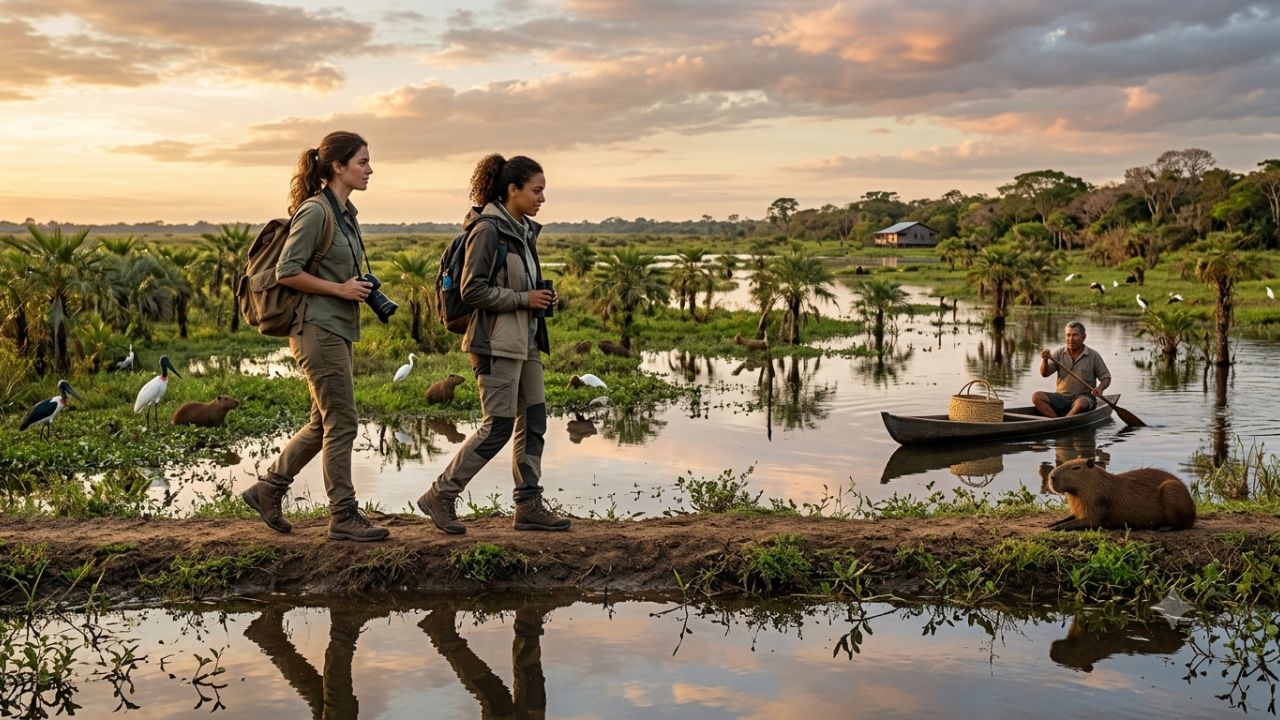
Image generated by AI
Argentina is advancing a nationwide regional eco-tourism strategy designed to redirect international visitors beyond established hubs like Buenos Aires, Iguazú Falls, Mendoza, and El Calafate. Tourism authorities across Formosa, Chaco, Catamarca, Misiones, San Luis, and Chubut are highlighting low-impact nature reserves, high-altitude volcanic deserts, rare river falls, and indigenous cultural heritage.
The shift toward regional slow travel aligns with growing global demand for low-density nature destinations. By developing small-scale accommodation infrastructure, expanding local guide training, and protecting sensitive ecosystems, Argentina aims to distribute visitor expenditure into rural provinces while safeguarding biodiverse habitats.
Comparative Overview of Argentina's Regional Eco-Tourism Destinations
Argentina's lesser-known interior regions offer distinct ecological environments ranging from tropical wetlands and sub-tropical forests to high-altitude volcanic plains and prehistoric red rock canyons.
| Province / Region | Primary Destination / Park | Key Ecological & Geological Feature | Primary Access Hub | Signature Visitor Activity |
|---|---|---|---|---|
| Formosa | Bañado La Estrella | 400,000-hectare wetland & flooded forest | Formosa City / Las Lomitas | Canoe navigation, birdwatching (500+ species) |
| Chaco | El Impenetrable National Park | 128,000-hectare protected native forest | Resistencia / Castelli | Low-impact safari camping & wildlife tracking |
| Catamarca | Campo de Piedra Pómez | High-altitude volcanic white pumice rock fields | Antofagasta de la Sierra | 4x4 high-desert excursions & salt flat tours |
| Misiones | Moconá Falls | 1,900-meter longitudinal waterfall along Uruguay River | El Soberbio / Posadas | Riverboat navigation through Yabotí Biosphere Reserve |
| San Luis | Sierra de las Quijadas | 250-meter red sandstone cliffs & 130M-year fossils | San Luis City (116 km) | Potrero de la Aguada hiking & condor observation |
| Chubut | Trevelin & Los Alerces | Valdivian temperate rainforest & Welsh heritage | Esquel / Trevelin | Spring tulip field visits & La Trochita heritage rail |
Formosa Wetlands: Bañado La Estrella and Indigenous Community Crafts
Covering over 400,000 hectares in northern Formosa, Bañado La Estrella is one of South America's largest wetland ecosystems. Fed by seasonal flooding from the Pilcomayo River, the area features submerged palm forests and still waterways inhabited by capybaras, caimans, giant otters, and more than 500 bird species.
Guided canoe trips allow visitors to navigate silent forest channels without disturbing local fauna. Beyond nature observation, local tourism integrates cultural heritage from the Pilagá indigenous community of Campo del Cielo. Pilagá artisans produce traditional hand-woven textiles and caranday palm crafts, generating sustainable income for rural families.
Chaco Wilderness: El Impenetrable National Park Safari Tourism
In the neighboring province of Chaco, El Impenetrable National Park protects 128,000 hectares of native dry forest within the Gran Chaco biome. Designed for low-density wilderness travel, the park offers forest hiking trails and wildlife tracking excursions led by local community guides.
To maintain environmental integrity, overnight visitor infrastructure is centered around a community-managed campsite accommodating up to 40 guests. Revenue from camping fees, regional transport services, and local guiding directly supports rural Chaco resident cooperatives.
| Protected Area | Surface Area (Hectares) | Primary Habitat Type | Key Wildlife Species Observed |
|---|---|---|---|
| Bañado La Estrella | 400,000 Hectares | Subtropical wetland & flooded woodland | Capybara, spectacled caiman, jabiru, marsh deer |
| El Impenetrable | 128,000 Hectares | Gran Chaco dry forest & riverine woods | Jaguar, tapir, giant armadillo, maned wolf |
| Los Alerces | 259,570 Hectares | Valdivian temperate forest & glacial lakes | Huemul deer, pudú, Fitzroya Alerce trees |
High-Altitude Desert Exploration: Campo de Piedra Pómez in Catamarca
Situated in the Puna region of Catamarca, Campo de Piedra Pómez presents an otherworldly high-altitude volcanic environment. Based out of Antofagasta de la Sierra, travelers explore an expanse of white pumice stone formations carved over millennia by volcanic eruptions and high-desert winds.
Nearby natural features include the Laguna Blanca Biosphere Reserve and surrounding salt flats. Due to extreme altitude, remote roads, and intense sun exposure, visitors must hire experienced local 4x4 guides, carry ample water, and prepare for rapid temperature shifts.
Longitudinal Waterfalls and Ancient Canyons: Misiones and San Luis
Beyond the famous torrents of Iguazú, Misiones Province houses Moconá Falls within the Yabotí Biosphere Reserve. Unlike traditional waterfalls that flow over a transverse cliff, Moconá Falls runs longitudinally along the Uruguay River bed for approximately 1,900 meters. Boat excursions operate when river levels permit, providing close-range views of the falls and surrounding rainforest.
In San Luis Province, Sierra de las Quijadas National Park showcases 130-million-year-old geological history. Located 116 kilometers from San Luis city, the park features 250-meter red sandstone cliffs and the Potrero de la Aguada natural amphitheater. Paleontological excavations have revealed pterosaur fossils, while wildlife enthusiasts can spot guanacos, gray foxes, and Andean condors. The optimal visitation window spans April to November to avoid intense summer heat.
Welsh Heritage and Valdivian Rainforests in Chubut's Trevelin Region
In Argentine Patagonia, the town of Trevelin in Chubut Province offers a cultural and ecological alternative to crowded Patagonian hubs. Established by Welsh immigrants in the late 19th century, Trevelin retains its cultural heritage alongside regional culinary traditions.
Visitors can explore neighboring Los Alerces National Park—home to ancient Alerce trees and glacial lakes—or ride the historic La Trochita (Old Patagonian Express) steam train from Esquel. In spring, vibrant tulip fields blooming against snow-capped Andean peaks draw nature photographers to the valley.
Strategic Logistics and Travel Guidance
- Local Transport & Guides: Navigating remote regions like Catamarca's Puna or Chaco's forest requires certified local guides and 4x4 vehicles equipped for rough terrain.
- Seasonality Considerations: Visit Sierra de las Quijadas between April and November; schedule Formosa wetland canoeing during high-water seasons; and visit Trevelin in October for peak tulip blooms.
- Community-Led Tourism: Prioritize community-managed campsites, local craft markets, and indigenous-led tours to maximize local economic impact.
FAQ: Argentina Regional Travel 2026
What is unique about Moconá Falls in Misiones, Argentina?
Moconá Falls is unique because it runs longitudinally along the Uruguay River for 1,900 meters, parallel to the river flow rather than across it.
How do travelers reach Bañado La Estrella in Formosa?
Visitors travel via Formosa City or Las Lomitas by road, taking guided canoe tours into the flooded wetland area.
When is the best time to visit Sierra de las Quijadas National Park?
The best time to visit is between April and November, when temperatures are moderate for desert hiking.
Related Travel Guides
Disclaimer
This article is for informational and educational purposes only. It does not constitute legal, financial, or professional advice. While we strive to provide accurate and up-to-date information, travel policies, regulations, and conditions change rapidly. Always verify information with official sources before making travel decisions. Nomad Lawyer makes no representations about the accuracy, reliability, completeness, or suitability of the information provided. Readers should consult qualified professionals for advice specific to their circumstances. The views expressed in this article are those of the author and do not necessarily reflect the views of Nomad Lawyer.
Kunal K Choudhary
Co-Founder & Contributor
A passionate traveller and tech enthusiast. Kunal contributes to the vision and growth of Nomad Lawyer, bringing fresh perspectives and driving the community forward.
Learn more about our team →