
April Quiz Ready: How Travelers Underestimate Weather Disruption in 2026
Spring 2026 travel disruptions reveal most passengers remain unprepared for weather-driven delays. April quiz shows six in ten U.S. flight delays stem from atmospheric conditions, yet travelers still ignore advance airline warnings.

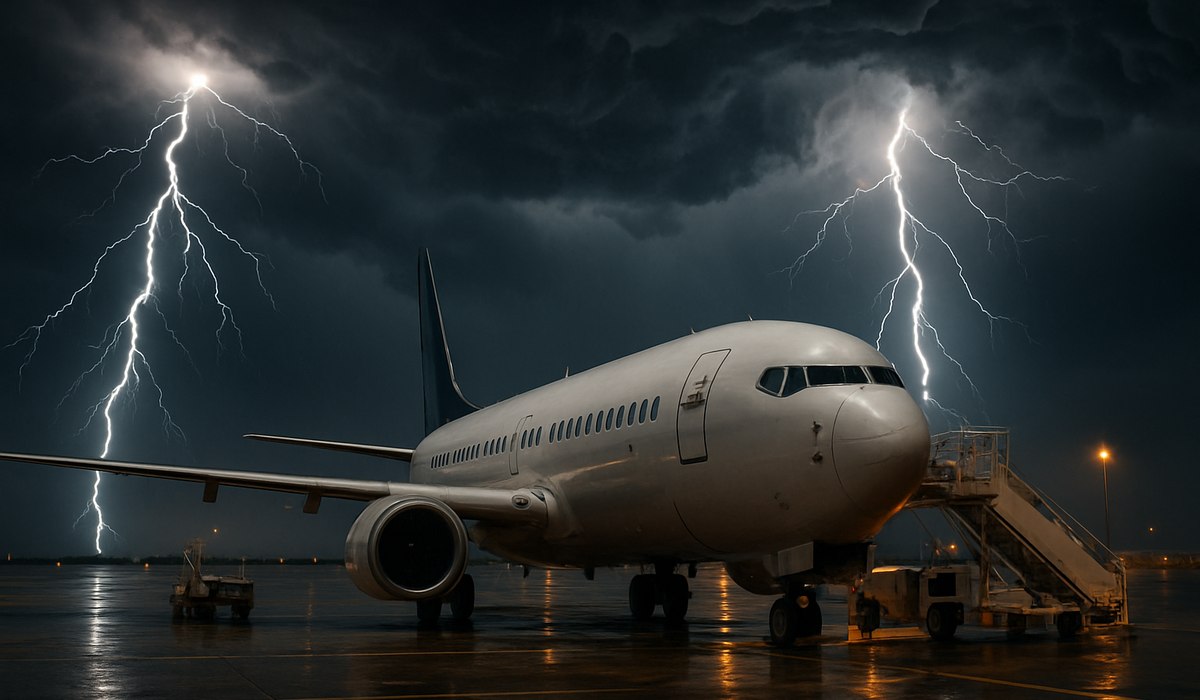
Image generated by AI
Spring Storms Expose Gaps in Traveler Preparedness
As powerful atmospheric systems sweep across U.S. airspace during peak Easter week travel, an April quiz on disruption readiness reveals a troubling pattern: most passengers underestimate weather as the dominant cause of flight delays and cancellations. Between late March and early April 2026, severe storms hammered major transportation hubs from Illinois to Massachusetts, triggering over 1,000 delayed flights in a single day. The Easter week period between April 2 and April 4 delivered an even harsher reality, with tens of thousands of delays and more than 2,000 cancellations recorded across U.S. airports. Yet despite advance warnings from airlines and regulators days before these events, travelers continued boarding flights unprepared for the disruptions that followed. This pattern underscores a critical gap in travel knowledge during 2026's increasingly turbulent aviation landscape.
Weather Dominates: Six in Ten U.S. Flight Delays Linked to Atmospheric Conditions
Federal Aviation Administration data confirms what industry analysts have long documented: weather remains the single largest driver of flight disruptions. Recent full-year statistics show approximately 60 percent of all U.S. flight delays stem directly from atmospheric conditions—storms, wind shear, lightning, and visibility restrictions far exceed delays caused by staffing shortages or mechanical issues. Spring 2026 has amplified this reality, with multiple storm systems arriving during the year's busiest leisure travel windows. The late March eastern seaboard system demonstrated cascading effects as aircraft and crews fell out of position, creating knock-on disruptions that persisted for days. LaGuardia Airport temporarily closed runways when winds exceeded 40 miles per hour, forcing operational slowdowns even after weather conditions improved. Miami International Airport experienced similarly severe impacts during Easter week, when Florida's local storms combined with wider national network congestion. Understanding these weather-driven mechanics helps travelers recognize that a disruption announcement isn't temporary noise—it's actionable intelligence. For comprehensive FAA disruption tracking, visit the Federal Aviation Administration's official safety and operations page.
Easter Week and March Storm System: Real-World Disruption Case Studies
The late March storm system that moved across the eastern United States provides a textbook example of how rapidly weather escalates disruption risk. With wind gusts exceeding 40 miles per hour and heavy precipitation, major transportation hubs including Newark, Boston Logan, and JFK Airport experienced simultaneous pressure. Aircraft that would normally complete four to five daily rotations found themselves stranded, creating a domino effect that persisted as the system moved eastward. Major carriers issued fee waivers and encouraged passengers to rebook, yet many travelers either ignored these warnings or received them too late to act. Easter week's disruptions proved even more consequential because holiday demand meant airports were already operating near capacity. Between April 2 and April 4, the combination of severe weather and peak leisure travel created unprecedented strain. Travel tracking services documented that recovery took substantially longer than the actual weather event, with cascading delays affecting flights for three to four days afterward. These case studies reveal why April quiz readiness matters: travelers who book flights during known peak windows must factor in atmospheric risk more aggressively than they currently do.
How Airlines and Regulators Are Signaling Risk in Advance
Airlines and federal aviation authorities have significantly upgraded their advance notification systems for travelers navigating 2026's disruption landscape. Major carriers now issue fee waivers and travel change notices three to five days before anticipated severe weather, allowing passengers to modify plans without penalty. The FAA publishes detailed convective outlooks and Significant Weather Advisories that appear on airline websites and mobile applications. This information infrastructure exists precisely because industry data shows travelers respond better to actionable advance notice than to day-of cancellations. However, the April quiz reveals a persistent problem: passengers treat these warnings as optional recommendations rather than critical alerts. Airlines report that even after issuing fee waiver notices, substantial percentages of affected passengers still attempt their original flights, only to encounter delays or cancellations. For 2026 travelers, the key strategy shift involves treating every airline notification as a trigger for immediate decision-making. When you receive an email about storms in your destination region, cross-reference it with National Weather Service forecasts and airline app updates. The National Weather Service Storm Prediction Center provides detailed severe weather outlooks that align with airline advisories. This proactive approach transforms reactive disruption into managed travel planning.
What Travelers Must Do Now to Prepare for 2026's Turbulence
The April quiz takeaway applies directly to your next booking: preparation beats scrambling. Begin with these numbered action steps:
-
Monitor advance weather forecasts 7-10 days before travel. Check National Weather Service extended forecasts for your departure and arrival regions, looking for thunderstorm systems, winter weather patterns, or other atmospheric risks that typically trigger disruptions.
-
Enable airline notifications on your phone immediately after booking. Every major U.S. carrier offers push notifications for weather delays, schedule changes, and fee waivers. These arrive before email and give you hours of advantage for rebooking decisions.
-
Book early morning flights during April through June peak season. Weather systems intensify as the day progresses, particularly spring thunderstorms that develop in afternoon hours. Early departures significantly reduce weather delay probability.
-
Accept fee waivers without waiting for cancellations. When airlines announce fee waivers, use them to move your flight to a day with better weather forecasts. This requires immediate action, not delay.
-
Purchase travel insurance with weather delay coverage. Standard trip insurance protects against cancellations and rebooking costs when weather becomes severe enough to warrant compensation.
-
Build 90-minute connection windows into multi-leg itineraries. Shorter connections create cascading vulnerability if your first flight experiences weather delay. Longer layovers provide recovery cushion.
These steps directly address the April quiz findings by shifting travelers from reactive scrambling to advance preparation. The 2026 travel landscape rewards those who treat weather disruption as probability, not possibility.
| Disruption Factor | Percentage of Delays | 2026 Trend | Traveler Awareness |
|---|---|---|---|
| Weather/atmospheric conditions | 60% | Increasing | Low |
| Staffing and scheduling | 20% | Stable | Moderate |
| Mechanical/technical issues | 12% | Decreasing | High |
| Airspace closures/restrictions | 5% | Increasing | Very Low |
| Airline system outages | 3% | Unpredictable | Very Low |
| Flight crew unavailability | Included in staffing | Increasing | Low |
What This Means for Travelers
April 2026's disruption wave carries implications extending far beyond that month. Airlines are investing heavily in advance notice systems because data proves early warnings reduce customer frustration and rebooking chaos. However, these systems only work when travelers actually respond to them. The April quiz reveals a significant preparedness gap: most passengers don't correlate atmospheric forecasts with flight disruption probability until boarding announcements appear on departure boards.
For your 2026 travel planning, this means immediately changing how you evaluate flight timing and booking strategy. Weather disruption isn't a rare inconvenience—it's a 60 percent probability factor for any given delay. When you see severe weather forecasts for your travel region, treat them as direct threats to your itinerary. Enable all airline notifications, accept fee waivers when offered, and don't wait for cancellations to trigger rebooking decisions. The travelers who successfully navigate 2026's disruption landscape won't be those with immunity to weather—they'll be those who plan around it systematically.
FAQ
What causes most flight delays in 2026? Weather and atmospheric conditions drive approximately 60 percent of all U.S. flight delays. Thunderstorms,
Disclaimer
This article is for informational and educational purposes only. It does not constitute legal, financial, or professional advice. While we strive to provide accurate and up-to-date information, travel policies, regulations, and conditions change rapidly. Always verify information with official sources before making travel decisions. Nomad Lawyer makes no representations about the accuracy, reliability, completeness, or suitability of the information provided. Readers should consult qualified professionals for advice specific to their circumstances. The views expressed in this article are those of the author and do not necessarily reflect the views of Nomad Lawyer.
Kunal K Choudhary
Co-Founder & Contributor
A passionate traveller and tech enthusiast. Kunal contributes to the vision and growth of Nomad Lawyer, bringing fresh perspectives and driving the community forward.
Learn more about our team →