
Antarctica Tourism Surge 2026: Last Chance Travel and the Risk of Irreparable Ecological Damage
Antarctica is witnessing a tenfold surge in tourism driven by the urgency of melting glaciers, raising fears of invasive species and irreparable damage to the world's last wilderness.

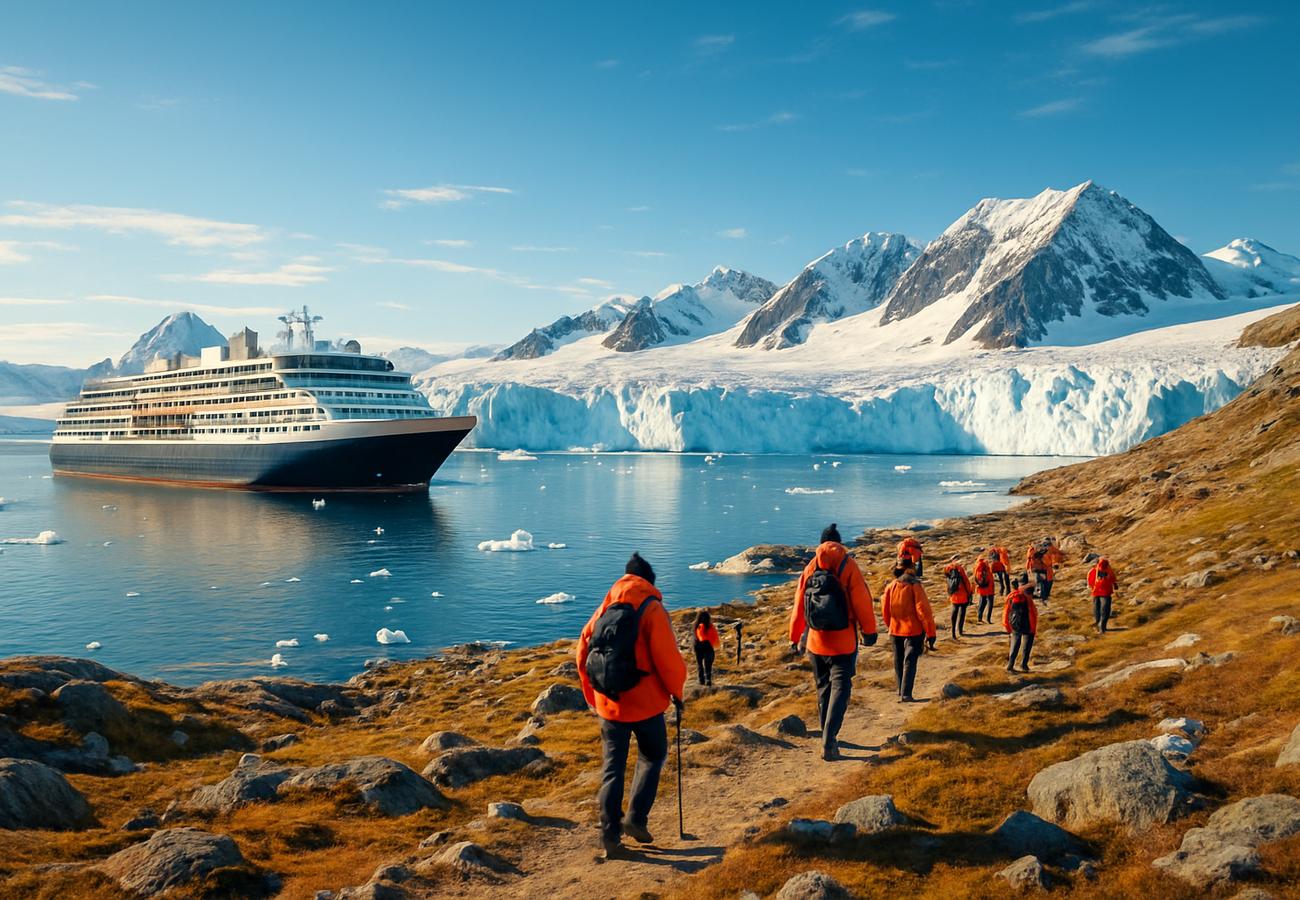
Image generated by AI
Quick Summary
- Visitor Surge: Antarctica has seen a tenfold increase in tourist numbers over the past 30 years.
- 2024 Statistics: IAATO reported over 80,000 landed tourists and 36,000 ship-based observers.
- Projections: Annual visitor numbers could exceed 400,000 within the next decade as accessibility increases.
- Glacial Melt: NASA reports an average loss of 149 billion metric tons of Antarctic ice annually (2002–2020 data).
- Last Chance Tourism: The primary driver is the urgency to witness unique landscapes before they are altered by rapid climate change.
- Environmental Risks: Major threats include invasive species contamination, disease outbreaks (norovirus/hantavirus), and wildlife stress.
- Governance: Experts are calling for an update to the 1959 Antarctic Treaty to address modern, high-volume tourism.
- Source: International Association of Antarctica Tour Operators (IAATO) and NASA Earth Science Division reports as of May 7, 2026.
Antarctica is undergoing an unprecedented transition from a restricted scientific sanctuary to a high-volume travel destination, driven by the controversial phenomenon of "last chance tourism." On May 7, 2026, environmental analysts warned that the tenfold surge in visitation over the last three decades is placing a "catastrophic" strain on the world’s most fragile ecosystem. With NASA confirming the loss of 149 billion metric tons of ice annually and the Antarctic Peninsula warming faster than almost anywhere else on Earth, travelers are flocking to the frozen frontier in record numbers. IAATO data for 2024 shows more than 116,000 total visitors, a figure projected to climb to 400,000 annually by 2035. As the risk of invasive species contamination and cruise-ship disease outbreaks increases, the international community is facing an urgent mandate to update the 1959 Antarctic Treaty to ensure that the desire to witness the continent’s beauty does not result in its permanent ecological destruction.
Antarctica Tourism Growth and Environmental Impact Metrics
The following table summarizes the growth of human presence and the resulting environmental pressures on the continent.
| Metric / Indicator | Current Data / Status | Historical Trend | Environmental Risk |
|---|---|---|---|
| Annual Ice Melt | 149 Billion Metric Tons | Accelerating (NASA) | Habitat Loss / Sea Level |
| Landed Tourists | >80,000 (2024) | 10x Increase (30 yrs) | Contamination / Soil Stress |
| Ship-Based Observers | 36,000 (2024) | Significant Growth | Emission / Noise Pollution |
| Projected Visitors | 400,000 (2035) | Exponential Surge | Ecosystem Collapse Risk |
| Primary Driver | "Last Chance" Travel | Climate Awareness | High-Volume Footprint |
| Health Alert | Norovirus / Hantavirus | Rising Incidents | Cross-Contamination |
| Wildlife Impact | Stress on Penguin/Seals | Increasing Interaction | Behavioral Alteration |
The "Last Chance" Driver: Why Antarctica Tourism is Surging in 2026
The surge is primarily fueled by the perceived "expiration date" of the current Antarctic landscape:
- Climate Urgency: Many travelers believe they are witnessing a "rapidly disappearing ecosystem," prompting them to visit before stricter quotas are implemented.
- Accessibility: Improvements in ice-class expedition vessels have made the journey from South America (primarily Argentina) safer and more frequent.
- Prestige Travel: Antarctica has evolved into the ultimate "bucket list" destination for high-net-worth experiential travelers.
IAATO Statistics: The Tenfold Increase in Antarctic Visitation
The International Association of Antarctica Tour Operators (IAATO) has tracked a massive demographic shift:
- Growth Curve: From a few thousand visitors in the 1990s, the continent now regularly hosts over 116,000 people per season.
- Concentrated Impact: Most tourism is focused on the Antarctic Peninsula, an area that is warming significantly faster than the global average.
- Operational Scale: The number of active expedition ships has increased to accommodate the 80,000+ tourists who now make landfall annually.
Glacial Melt Reality: 149 Billion Metric Tons of Ice Loss Annually
NASA’s Earth Science Division has quantified the physical changes driving the tourism boom:
- Mass Loss: Between 2002 and 2020, Antarctica lost 149 billion metric tons of ice per year, significantly altering the coastal geography.
- Peninsula Warming: The warming of the peninsula has made certain areas more accessible to cruise ships, opening up previously "untouchable" zones to visitors.
- Iceberg Calving: While dramatic to witness, the increase in calving events is a direct indicator of the systemic instability of the ice sheets.
Ecological Risks: Contamination and the Threat of Invasive Species
Invasive species are considered one of the greatest long-term threats to Antarctic biodiversity:
- Hitchhiking Species: Tourists can unknowingly transport seeds, insects, and microorganisms on clothing, boots, and camera equipment.
- Protocol Enforcement: Strict hygiene measures—including disinfectants, vacuums, and brushes for footwear—are mandatory but difficult to enforce at high volumes.
- Invasive Potential: Non-native species can outcompete indigenous flora and fauna, leading to irreparable shifts in the delicate Antarctic food web.
Health and Safety: Managing Disease Outbreaks in Confined Cruise Quarters
The rise in tourism has brought new biological risks to the region:
- Cruise Outbreaks: Confined quarters on expedition ships have seen spikes in norovirus and, more recently, hantavirus alerts.
- Hantavirus Warning: While no evidence of contamination from Antarctica itself has been found, a hantavirus outbreak on a recent cruise to the continent has heightened scientific concerns.
- Zoonotic Risks: Experts warn that the proximity of thousands of humans to penguin and seal colonies could facilitate the transmission of foreign pathogens to native wildlife.
The Antarctic Treaty: Calling for a Regulatory Update in a High-Volume Era
The 1959 Antarctic Treaty was drafted for a different era of exploration:
- Scientific Mandate: The treaty was designed to preserve the continent for scientific research and peace, with minimal provision for mass tourism.
- Regulatory Gaps: Many experts argue that the current guidelines are insufficient to manage the projected 400,000 annual visitors.
- Call for Action: There is a growing international movement to implement stricter quotas, mandatory environmental bonds, and permanent "no-go" zones to protect critical habitats.
Wildlife Under Pressure: Human Interaction and Habitat Stress
Antarctica’s iconic species are facing a "double threat" from climate change and human presence:
- Behavioral Stress: Constant interaction with tourists can disrupt the nesting and feeding patterns of penguins, seals, and whales.
- Physical Distance: While regulations require tourists to maintain a safe distance, the high volume of landings makes it difficult to avoid disturbing wildlife.
- Fragility: Even small changes, such as the introduction of foreign bacteria, could have catastrophic consequences for species that have evolved in total isolation.
Conclusion: Balancing Global Interest with Permanent Ecological Preservation
The May 7, 2026, status report on Antarctica tourism presents a stark choice for the global travel industry. While the continent offers a "once-in-a-lifetime" opportunity for travelers to witness the raw power of nature, the current rate of growth is ecologically unsustainable. The surge in "last chance" tourism is ironically accelerating the very degradation that travelers are flocking to see. To preserve Antarctica as the world’s last great wilderness, the next decade must be defined by radical transparency, updated international treaties, and a shift from volume-based tourism to a strictly controlled, high-regulation model. Without these interventions, the tenfold increase in visitors may soon transform the "frozen frontier" into a landscape permanently scarred by the human desire to witness its final days.
FAQ: Antarctica Tourism Surge 2026
How many people visit Antarctica each year? In 2024, over 80,000 tourists made landfall, with an additional 36,000 viewing from ships. Numbers are projected to reach 400,000 annually within a decade.
What is "Last Chance Tourism"? It is a travel trend where people visit endangered or rapidly changing destinations, like Antarctica’s melting glaciers, before they disappear or are restricted.
What are the main environmental risks of visiting Antarctica? The primary risks are the introduction of invasive species, disease outbreaks (like norovirus or hantavirus), and the behavioral disruption of native wildlife.
Related Environmental Reports
Disclaimer
This article is for informational and educational purposes only. It does not constitute legal, financial, or professional advice. While we strive to provide accurate and up-to-date information, travel policies, regulations, and conditions change rapidly. Always verify information with official sources before making travel decisions. Nomad Lawyer makes no representations about the accuracy, reliability, completeness, or suitability of the information provided. Readers should consult qualified professionals for advice specific to their circumstances. The views expressed in this article are those of the author and do not necessarily reflect the views of Nomad Lawyer.
Kunal K Choudhary
Co-Founder & Contributor
A passionate traveller and tech enthusiast. Kunal contributes to the vision and growth of Nomad Lawyer, bringing fresh perspectives and driving the community forward.
Learn more about our team →