
Antarctica Tourism Regulations 2026: Argentina and Global Powers Act on Environmental Risks
Argentina has joined Australia, China, and France in a concerted effort to regulate Antarctica's tourism, introducing stringent biosecurity protocols to protect the continent's fragile ecosystem from contamination.

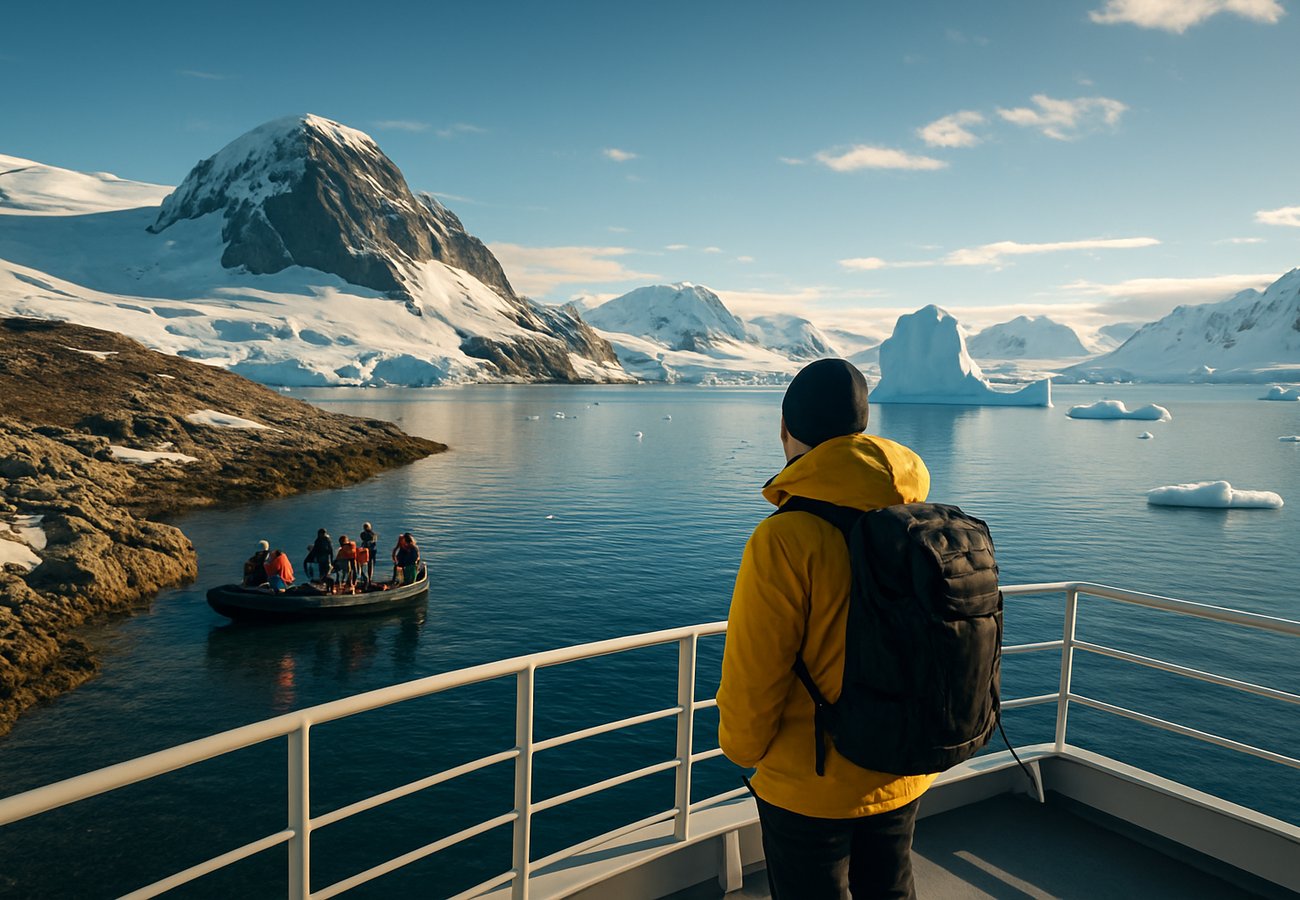
Image generated by AI
Quick Summary
- International Coalition: Argentina has joined 54 Antarctic Treaty nations, including Australia, Brazil, China, and Germany, to implement urgent regulations on the continent's rapidly expanding tourism sector.
- Contamination Risks: The move addresses the critical threat of biological contamination, invasive species, and the potential spread of pathogens to native wildlife.
- Visitor Surge: Tourism to Antarctica peaked at over 70,000 visitors in 2019, with 2026 projections suggesting a full recovery and expansion beyond pre-pandemic levels.
- Regulatory Shift: New policies focus on visitor quotas, stringent waste management, and the promotion of smaller, eco-friendly boutique ships over large-scale cruise vessels.
Antarctica is facing a pivotal moment in its environmental history as Argentina and a coalition of global powers move to de-escalate the impact of booming tourism. As the southernmost continent transitions from a remote scientific frontier to a top-tier adventure destination, the risk of irreversible ecological damage has surged. Signatory nations of the Antarctic Treaty System are now prioritizing biosecurity protocols and waste management over unchecked commercial growth. Argentina, as a primary gateway through Ushuaia, is leading the push for more rigorous screening of travelers and ships to prevent the introduction of non-native species and pathogens that could devastate the continent’s isolated ecosystems.
Antarctica Tourism: Growth Trends and Environmental Governance 2026
The new regulatory framework aims to balance global interest in polar exploration with the absolute necessity of preservation.
| Metric / Aspect | Data Point | Significance |
|---|---|---|
| Pre-Pandemic Peak | 70,000+ Annual Visitors | Base for current regulation |
| Antarctic Treaty Signatories | 54 Nations | Global consensus on protection |
| Primary Gateways | Argentina (Ushuaia), Chile | Strategic monitoring points |
| Environmental Protocol | 1991 Protocol (Madrid) | Foundation of biosecurity |
| Risk Factors | Invasive Species & Pathogens | Permanent ecological threat |
| Regulatory Focus | Small Boutique Vessels | Lower environmental footprint |
| Waste Management | Mandatory Total Removal | Zero-impact policy enforcement |
The Surge: From 70,000 Visitors to a New Regulatory Frontier
The dynamics of Antarctic exploration have fundamentally shifted:
- Adventure Tourism: Once the domain of scientists, Antarctica is now a "bucket-list" destination for luxury and adventure travelers.
- Infrastructure Pressure: The rise in arrivals is straining the fragile waste management and monitoring systems currently in place on the continent.
- Recovery Phase: 2026 is marked by the resumption of high-volume cruise operations, prompting the need for immediate visitor quotas.
Biological Contamination: The Threat of Invasive Species and Pathogens
Signatory nations are particularly concerned with the "invisible" impact of tourism:
- Invasive Species: Microorganisms, seeds, and plants brought in on tourists’ clothing or ship hulls can disrupt the delicate balance of Antarctic life.
- Pathogen Spread: The introduction of human-carried diseases poses a direct threat to penguin colonies and other native wildlife with no natural immunity.
- Biosecurity Protocols: New regulations mandate rigorous de-contamination of all equipment, boots, and clothing before and after every landing.
Argentina’s Leadership: Biosecurity Protocols and Gate City Infrastructure
As a key player in Antarctic governance, Argentina is taking proactive steps:
- National Antarctic Directorate (DNA): Working with IAATO to develop policies that minimize human impact through education and enforcement.
- Eco-Friendly Shipping: Encouraging the use of advanced, low-emission vessels and prohibiting large-scale cruise ships from high-risk environmental zones.
- Ushuaia Monitoring: Strengthening biosecurity checks at the point of departure to ensure every expedition meets international environmental standards.
The Antarctic Treaty System: A Framework for Sustainable Exploration
The 1959 Treaty and the 1991 Environmental Protocol remain the core of polar protection:
- Scientific Reserve: Prohibits military activity and commercial mining, focusing exclusively on research and peace.
- Waste Management: Mandates that all waste generated—including wastewater and fuel—must be removed from the continent.
- Collaborative Oversight: Nations like Australia, Belgium, Brazil, and Chile work together to monitor environmental changes and enforce treaty violations.
Eco-Friendly Cruising: The Shift from Large Vessels to Boutique Ships
The future of Antarctic tourism lies in "boutique" rather than mass-market models:
- Impact Reduction: Smaller ships (carrying fewer than 500 passengers) allow for more controlled landings and reduced risk of large-scale fuel spills.
- Visitor Quotas: Governments are discussing fixed annual limits on the number of tourists allowed to set foot on the continent to prevent "over-tourism" at popular sites.
- Sustainable Tech: New vessels are increasingly utilizing hybrid-electric propulsion and advanced water treatment systems.
FAQ: Antarctica Tourism Regulations 2026
Is Antarctica still open to tourists in 2026? Yes, but tourism is subject to stricter regulations, including mandatory biosecurity checks and limits on where large ships can operate.
Which countries are regulating Antarctica tourism? Argentina is joined by 54 nations, including major players like Australia, China, France, Germany, the UK, and the USA under the Antarctic Treaty System.
What are the main environmental concerns? The primary risks are biological contamination (invasive species), pollution from fuel spills, and the potential spread of diseases to native wildlife.
Related Travel Guides
Disclaimer
This article is for informational and educational purposes only. It does not constitute legal, financial, or professional advice. While we strive to provide accurate and up-to-date information, travel policies, regulations, and conditions change rapidly. Always verify information with official sources before making travel decisions. Nomad Lawyer makes no representations about the accuracy, reliability, completeness, or suitability of the information provided. Readers should consult qualified professionals for advice specific to their circumstances. The views expressed in this article are those of the author and do not necessarily reflect the views of Nomad Lawyer.
Kunal K Choudhary
Co-Founder & Contributor
A passionate traveller and tech enthusiast. Kunal contributes to the vision and growth of Nomad Lawyer, bringing fresh perspectives and driving the community forward.
Learn more about our team →