
Antarctica Tourism Crisis 2026: 116,000 Visitors Spark Alarm Over Disease and Contamination
Antarctica's tourism boom has reached a critical tipping point, with over 116,000 visitors in 2024 triggering scientist alarms regarding microbial contamination and a 2026 hantavirus outbreak aboard an expedition vessel.

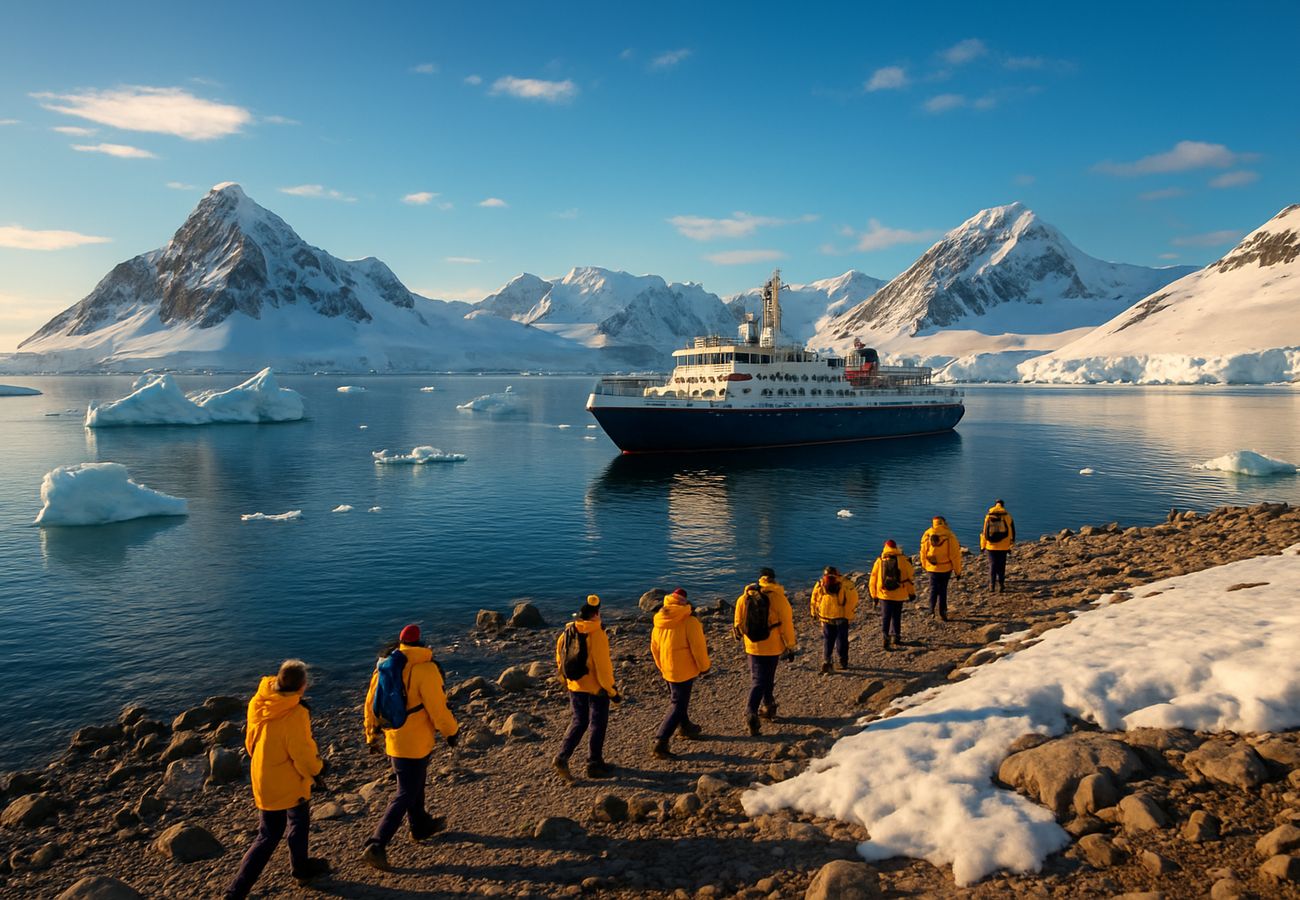
Image generated by AI
Quick Summary
- Surging Arrivals: Over 80,000 visitors landed on Antarctica in 2024, with an additional 36,000 observing from ships—a tenfold increase over past decades.
- Health Alert: A rare hantavirus outbreak aboard an Antarctic cruise ship in early 2026 has underscored the vulnerability of isolated expedition environments.
- Ecosystem Fragility: Scientists warn that Antarctic wildlife lack immunity to common global pathogens, making disease transmission a primary ecological threat.
- Governance Under Pressure: The Antarctic Treaty System and the Madrid Protocol are being scrutinized as existing regulations struggle to manage the rapid surge in human activity.
- Biosecurity Focus: Experts are calling for stricter health screening, fewer landing sites, and the implementation of mandatory "carrying capacity" limits to protect the frozen frontier.
Antarctica’s status as a pristine scientific and natural reserve is under severe pressure as the continent enters a new era of mass "last chance" tourism. In 2026, environmental authorities and scientists have raised the alarm following a season that saw more than 116,000 visitors penetrate the continent’s fragile frontiers. While the majority of tourism is concentrated on the Antarctic Peninsula, the risk of microbial contamination and the introduction of invasive species is now considered a critical threat to the region's unique biodiversity. The early 2026 hantavirus outbreak on an expedition vessel served as a stark reminder of how quickly pathogens can spread in confined polar environments, potentially jumping to wildlife colonies that possess no natural immunity. As policy-makers evaluate the effectiveness of the Madrid Protocol, the urgency of transitioning toward adaptive management and stricter biosecurity controls has never been greater.
Antarctica Tourism Surge and Environmental Risk Metrics 2024–2026
The following table summarizes the growth in human presence and the emerging ecological hazards on the frozen continent.
| Category | Status / Metric | Primary Concern |
|---|---|---|
| Total Visitors (2024) | 116,000+ | Infrastructure & wildlife disturbance |
| Growth Rate | 10x Increase | Overwhelming of current regulations |
| Primary Hub | Antarctic Peninsula | Rapid warming & habitat overlap |
| Active Health Risk | Hantavirus / Norovirus | Transmission to isolated wildlife |
| Governance Body | Antarctic Treaty (ATCM) | Enforcement gaps in remote zones |
| Operator Guidelines | IAATO Compliance | Management of carrying capacity |
| Ecosystem Status | High Fragility | Slow recovery from contamination |
The Antarctic Peninsula: A Tenfold Increase in Human Footprint
The peninsula is the epicenter of the current tourism surge:
- Accessibility: As the most accessible part of the continent, it draws the highest concentration of ships and landings.
- Wildlife Overlap: The areas most attractive to tourists—penguin rookeries and whale feeding grounds—are also the most vulnerable to human-borne pathogens.
- Rapid Warming: The peninsula is warming faster than most regions on Earth, compounding the stress on local ecosystems already facing tourism pressure.
Contamination and Disease: The 2026 Hantavirus Outbreak Warning
Health risks are no longer theoretical in the Antarctic wilderness:
- Expedition Outbreaks: The early 2026 hantavirus event highlighted the difficulty of managing viral transmission in isolated, high-density cruise environments.
- Wildlife Vulnerability: Pathogens like influenza, norovirus, and hantavirus can have catastrophic effects on species like Adélie and Emperor penguins, which have never encountered these diseases.
- Biosecurity Gaps: Despite boot-washing and clothing decontamination, microbial "hitchhikers" on tourists’ gear remain a major transmission vector for non-native organisms.
Governance and Protection: The Role of the Madrid Protocol and ATCM
Antarctica is governed by a complex set of international laws:
- Madrid Protocol: This legal framework designates Antarctica as a "natural reserve, devoted to peace and science," requiring strict environmental impact assessments for all activities.
- IAATO Role: The International Association of Antarctica Tour Operators sets voluntary guidelines, but critics argue that as visitor numbers explode, voluntary compliance may no longer be sufficient.
- Enforcement Challenges: The vastness of the continent makes long-term monitoring of microbial contamination and wildlife health extremely difficult for treaty members.
Biosecurity on Ice: Managing Pathogens in a Fragile Environment
Stricter biosecurity is the primary defense against ecological collapse:
- Health Screening: There are growing calls for mandatory, pre-boarding health screenings for all passengers and crew to prevent shipboard outbreaks.
- Contaminant Control: Experts advocate for the use of specialized medical-grade disinfectants for all shore gear and the limitation of total landing sites per season.
- Wildlife Distance: Stricter enforcement of "no-go" zones and increased minimum distances from wildlife are being proposed to reduce the physiological stress on animals.
Adaptive Management: The Future of Carrying Capacity and Conservation
The future of Antarctic tourism hinges on sustainable limits:
- Carrying Capacity: Evaluating the maximum number of visitors a specific site can handle without experiencing irreversible ecological degradation.
- Fewer Landing Sites: Concentrating human activity in a few designated areas to preserve the "wild" status of the rest of the continent.
- Scientific Investment: Increasing funding for long-term research into the cumulative effects of tourism on the Antarctic soil and water quality.
FAQ: Antarctica Tourism 2026
How many people visit Antarctica each year? In 2024, over 116,000 people visited Antarctica, with approximately 80,000 landing on the continent and 36,000 observing from cruise ships.
Is it safe to visit Antarctica following the hantavirus report? Expedition operators have implemented enhanced health screenings and biosecurity measures. Travelers should consult their tour provider's latest 2026 health protocols before departure.
What is the Madrid Protocol? It is a component of the Antarctic Treaty that provides comprehensive protection of the Antarctic environment and designates the continent as a natural reserve.
Related Travel Guides
Disclaimer
This article is for informational and educational purposes only. It does not constitute legal, financial, or professional advice. While we strive to provide accurate and up-to-date information, travel policies, regulations, and conditions change rapidly. Always verify information with official sources before making travel decisions. Nomad Lawyer makes no representations about the accuracy, reliability, completeness, or suitability of the information provided. Readers should consult qualified professionals for advice specific to their circumstances. The views expressed in this article are those of the author and do not necessarily reflect the views of Nomad Lawyer.
Kunal K Choudhary
Co-Founder & Contributor
A passionate traveller and tech enthusiast. Kunal contributes to the vision and growth of Nomad Lawyer, bringing fresh perspectives and driving the community forward.
Learn more about our team →