
Acropolis vs Ancient Agora Athens 2026: Strategic Visit Guide and Passenger Logistics
A comprehensive comparative analysis of Athens' two primary archaeological sites, providing strategic timing, accessibility data, and ticketing logistics for travelers visiting in 2026.

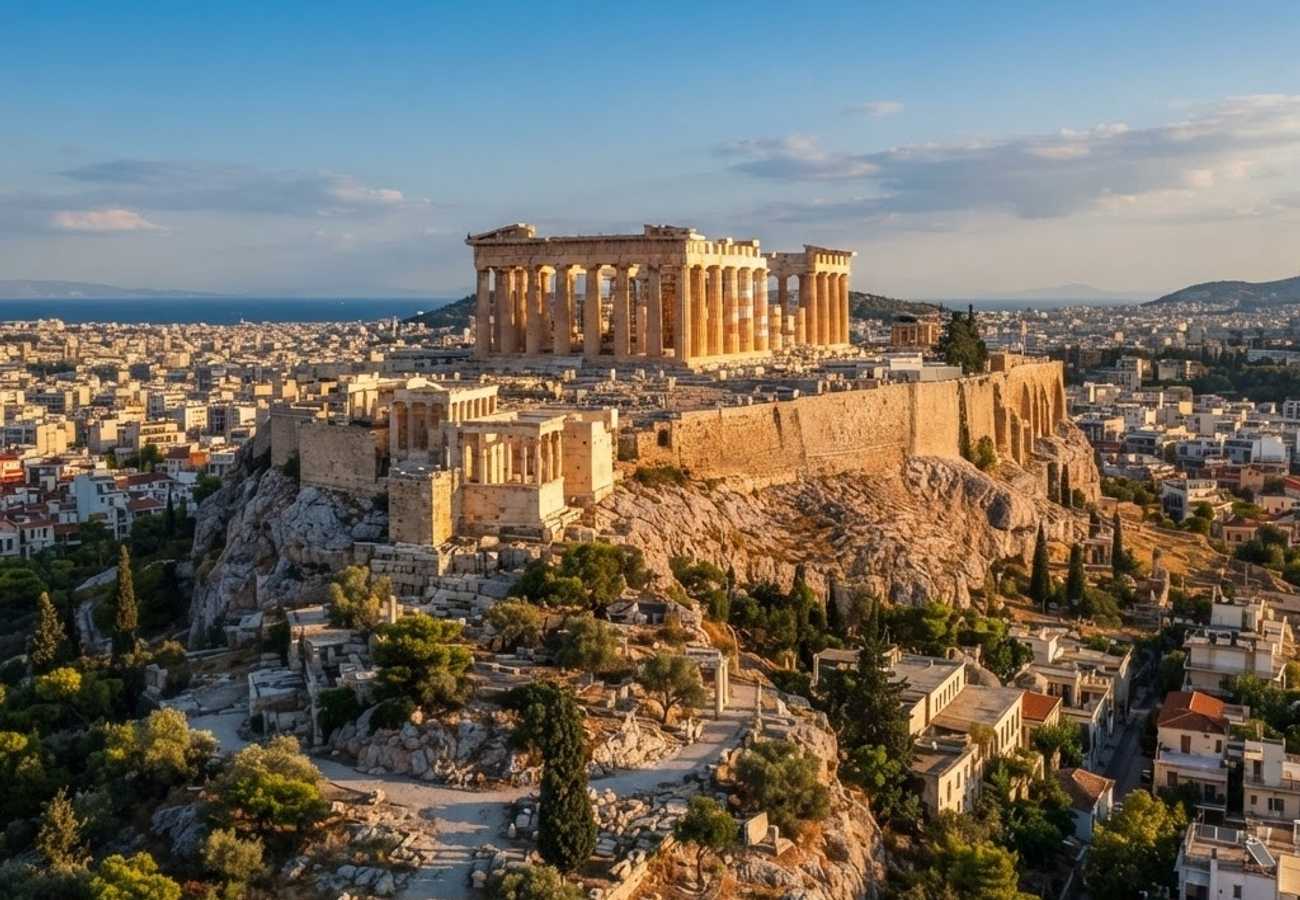
Image generated by AI
Visiting Athens' two most iconic landmarks requires a strategic approach to avoid peak crowds and extreme heat. While located only 800 meters apart, the Acropolis and Ancient Agora offer vastly different physical demands and atmospheric experiences.
Site Comparison and Operational Logistics
For travelers managing a tight itinerary, the choice of which site to visit first depends on physical stamina and photographic goals. The Acropolis serves as the city's dramatic skyline icon, while the Ancient Agora represents the civic and commercial heart of classical Athens.
Technical Breakdown: Acropolis vs. Ancient Agora
| Feature | The Acropolis | The Ancient Agora |
|---|---|---|
| Primary Focus | Iconic monuments (Parthenon, Erechtheion) | Civic life, democracy, and trade |
| Terrain | Steep, uneven stone, polished marble | Flat, gravel paths, shaded areas |
| Crowd Density | High (especially 09:30 to 14:00) | Moderate to Low |
| Key Landmark | The Parthenon (5th century BCE) | Temple of Hephaistos & Stoa of Attalos |
| Physical Effort | High (Significant uphill climb) | Low (Gentle undulating terrain) |
| Ticketing | Individual (Approx. €20) | Individual (Lower price bracket) |
Strategic Timing and Crowd Management
Our analysis of visitor patterns indicates that timing is the most critical factor for a successful visit. The Acropolis is subject to intense congestion from cruise ship passengers and organized tour groups, particularly during the peak window of 09:30 to early afternoon.
The Early-Bird Strategy: An 08:00 entry slot at the Acropolis is recommended to secure photos of the Parthenon without dense crowds. Following this with a late-morning visit to the Ancient Agora allows travelers to utilize the Agora's natural shade during the rising midday heat.
The Late-Day Strategy: Alternatively, starting at the Ancient Agora provides a quieter introduction to Athenian history. Scheduling the Acropolis for the late afternoon reduces the risk of queueing in direct sun and offers softer lighting for photography as the marble glows during the "golden hour."
Accessibility and Terrain Analysis
The physical requirements for these two sites differ significantly, which may impact travelers with mobility concerns or those traveling with children.
- Acropolis Challenges: The ascent involves steady slopes and stone steps. The marble surfaces are frequently polished and can become slippery, especially following rain. The climb to the Propylaea is the most taxing segment.
- Agora Advantages: The site is largely flat. The ascent to the Temple of Hephaistos is minimal. The reconstructed Stoa of Attalos provides essential shelter and seating, making it a viable "recovery" site after the Acropolis climb.
Passenger Advisory: Tickets and Site Navigation
For the visiting traveler, the shift in ticketing policy is a critical detail. The previous multi-site combo tickets have been phased out.
Our analysis of current policies suggests the following:
- Individual Purchases: Tickets must now be purchased separately for each site.
- Budgeting: Expect to pay approximately €20 for the Acropolis, with the Ancient Agora typically priced in the low teens or single digits, depending on the season and applicable concessions.
- Museum Integration: While the Acropolis is visually stunning, most original sculptures are housed in the Acropolis Museum. Conversely, the museum within the Stoa of Attalos (Ancient Agora) contains original ostraka and household objects that provide immediate context to the ruins.
Industry Analyst View
The divergence in the "feel" of these two sites reflects a broader trend in heritage tourism: the tension between "bucket-list" monuments and immersive historical experiences. The Acropolis remains a high-traffic "stage-set" of antiquity, whereas the Agora offers a more authentic glimpse into the daily functioning of a city-state. For a balanced itinerary, the Agora should not be viewed as a secondary site, but as the necessary intellectual counterpart to the Acropolis's architectural grandeur.
Strategic planning is the difference between a stressful queue and a meaningful historical encounter.
Related Travel Guides
Disclaimer
This article is for informational and educational purposes only. It does not constitute legal, financial, or professional advice. While we strive to provide accurate and up-to-date information, travel policies, regulations, and conditions change rapidly. Always verify information with official sources before making travel decisions. Nomad Lawyer makes no representations about the accuracy, reliability, completeness, or suitability of the information provided. Readers should consult qualified professionals for advice specific to their circumstances. The views expressed in this article are those of the author and do not necessarily reflect the views of Nomad Lawyer.
Kunal K Choudhary
Co-Founder & Contributor
A passionate traveller and tech enthusiast. Kunal contributes to the vision and growth of Nomad Lawyer, bringing fresh perspectives and driving the community forward.
Learn more about our team →