
Alaska Airlines Hit Hardest as 28 Flight Disruptions Rock Anchorage Airport
A major operational crisis at Ted Stevens Anchorage International Airport results in 28 disruptions, including 6 cancellations across Alaska Airlines and other carriers. Here's what travelers flying from Alaska need to know.

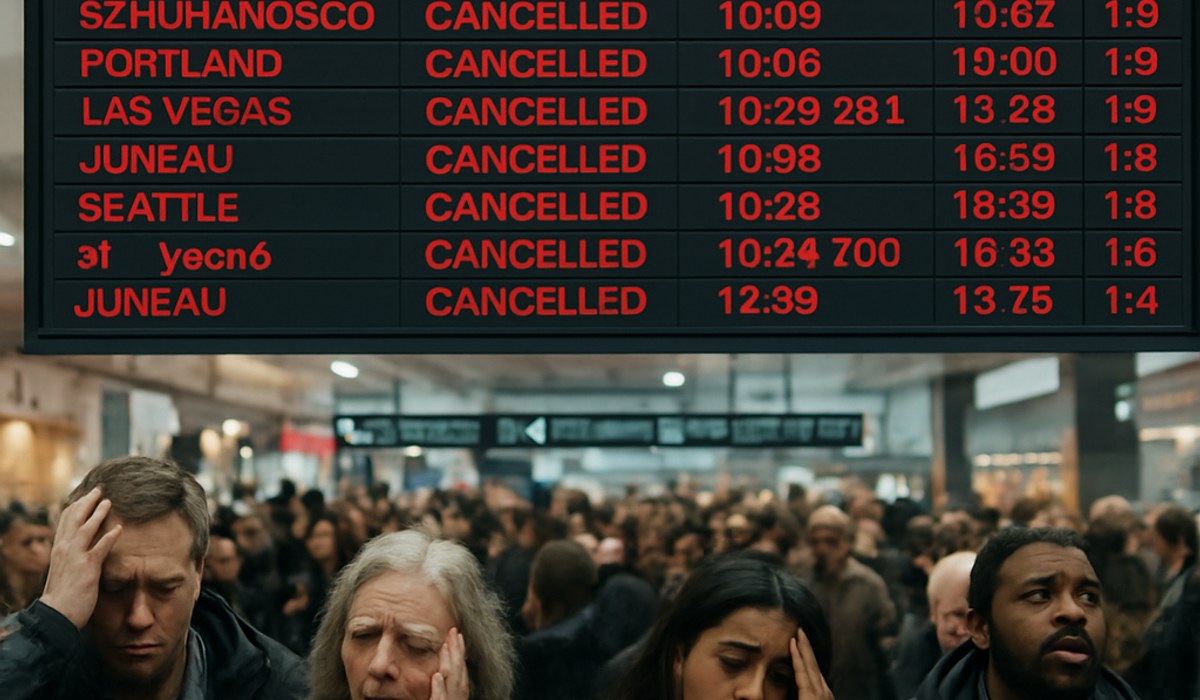
Image generated by AI
Major Disruptions Strike Anchorage Airport with 28 Cancellations and Delays
Quick Summary:
- 28 total flight disruptions recorded at Anchorage airport (22 delays, 6 cancellations)
- Alaska Airlines responsible for all six cancellations plus one additional delay
- Multiple international routes affected with delays to Asian hubs
- Travelers advised to monitor real-time updates and contact airlines immediately
Breaking travel news from Alaska: Ted Stevens Anchorage International Airport experienced significant operational disruptions this week, affecting 28 flights across both domestic and international routes. The cascade of cancellations and delays underscores the vulnerability of hub operations to unforeseen disruptions. Here's everything you need to know if your travel plans pass through the Alaska gateway.
What Happened at Anchorage Airport?
The disruption count tells the story: 22 delayed flights and 6 outright cancellations marked the disruption event at Anchorage airport. However, the real headline belongs to Alaska Airlines, which bore the brunt of operational challenges. The hometown carrier recorded all six cancellations—a significant operational setback—alongside one additional delayed flight, putting Alaska Airlines at the center of passenger frustration during this period.
The disruptions weren't isolated to Anchorage. Secondary impact rippled across multiple hubs and gateways, including Seattle-Tacoma International, Nome, and Wiley Post-Will Rogers Airport. Even more concerning for international travelers: delays extended across Pacific routes connecting to major Asian terminals in Shanghai, Guangzhou, Hong Kong, and Chengdu, amplifying the travel chaos across the US-China corridor.
Airlines Most Impacted
Beyond Alaska Airlines' significant cancellation spike, other carriers experienced notable delays:
- Air China: 5 delayed flights on long-haul Pacific routes
- Delta Air Lines: 4 delays across domestic and connecting segments
- Alaska Central Express: 4 recorded delays on regional flights
- China Southern Airlines: 3 delays on international services
- Sterling Airways: 3 delays affecting regional connectivity
- Cathay Pacific & SF Airlines: Minor delays on select routes
The pattern suggests that operational capacity constraints—rather than a single weather event—triggered the cascade of failures. When one major carrier hits maximum disruption levels, the entire network suffers as downstream effects propagate through connected flights.
Which Airports Felt the Impact?
The disruption map extends far beyond Alaska:
Primary Hub:
- Ted Stevens Anchorage International (most affected with 28 disruptions)
Secondary US Airports:
- Seattle-Tacoma International
- Nome
- Wiley Post-Will Rogers (Utqiagvik)
International Gateways:
- Shanghai Pudong International
- Guangzhou Baiyun International
- Hong Kong International
- Chengdu Shuangliu International
The geographic spread indicates systemic network congestion rather than localized airport challenges. When delays touch multiple continents, travelers planning itineraries involving connections—especially through Anchorage—face heightened uncertainty.
What This Means for Travelers
If your ticket includes Ted Stevens Anchorage, consider these practical realities:
Expect Real-Time Changes: Flight schedules may shift throughout the day. Yesterday's confirmed timing doesn't guarantee today's departure slot. Download your airline's mobile app and enable push notifications for instant updates rather than relying on email alerts.
Plan Buffer Time: Add at least 90 minutes (rather than the standard 60) when connecting through Anchorage, especially on Alaska Airlines services. Network delays cascade, and tight connections can become missed flights within hours.
Have a Backup Plan: Research alternative flights and nearby airports before heading to the terminal. If your original flight gets cancelled, knowing your three best alternatives prevents confusion and frustration at airport counters.
Stay in the Loop: Airline customer service lines get overwhelmed during disruptions. Call early and establish your rebooked status before it becomes a six-hour ordeal. Airport help desks move slowly; phone agents process requests faster.
Secure Your Belongings: During extended delays, carry medications, chargers, wallet documentation, and essentials in your carry-on. Checked luggage becomes inaccessible if sudden rebooking occurs during an unexpected layover.
Passenger Guidance & Practical Steps
Travelers caught in or potentially affected by similar future disruptions should follow this gameplan:
-
Check your flight status through official airline channels before arriving at the airport. Most carriers publish delays 2-6 hours in advance.
-
Contact your airline directly if cancellation occurs. Don't wait for an email notification; phone lines offer faster rebooking options.
-
Arrive early anyway—even if your flight appears on-time. Airport security and check-in move slower during operational chaos, and sudden last-minute changes happen frequently once operations go sideways.
-
Monitor weather and air traffic management updates via FlightAware or airport websites. Understanding why your flight is disrupted helps predict whether recovery happens within hours or requires overnight rebooking.
-
Explore alternate flights to nearby airports if available, especially if you have flexibility with departure times. Flying from Seattle instead of Anchorage might add hours to your trip but guarantee actual departure.
-
Request meal vouchers and hotel accommodations under airline policy if you face overnight cancellation or excessive delays. Many travelers don't know to ask, leaving money on the table.
Looking Ahead: What Travelers Should Remember
Anchorage airport disruptions are rare but consequential. As Alaska's primary commercial gateway serving both domestic and international routes, operational hiccups from Anchorage reverberate across networks linking North America to Asia.
The concentration of cancellations among Alaska Airlines reinforces an important travel lesson: major carrier reliability varies by route and season. While Alaska Airlines maintains a decent safety record, operational efficiency differs sharply between peak and off-peak periods. Spring transitions often bring unpredictable challenges as seasonal staffing changes meet springtime weather variability.
For travelers planning Alaska trips or connections through Anchorage over the coming weeks, build additional flexibility into your itineraries. Keep copies of booking confirmations instantly available on your phone. Activate flight alerts on multiple platforms. Most importantly, book realistic connection times—that six-hour layover suddenly becomes essential buffer time when networks go sideways.
FAQ: Anchorage Airport Disruptions
Q: Could this happen again soon? A: Network disruptions occasionally cluster during operational transitions. While guarantees don't exist, single-day events of this scale typically space out over months rather than weeks.
Q: If my flight gets cancelled, do I get automatically rebooked? A: Not always automatically. Contact your airline immediately—phone agents prioritize cancellation passengers and can often rebook you within hours rather than the days you'd wait for automatic assignments.
Q: Are passengers entitled to compensation for cancellations? A: US airline cancellation compensation depends on the reason (weather vs. operational issues) and your airline's policy. Alaska Airlines typically provides rebooking and sometimes meal vouchers, but monetary compensation varies.
Q: Should I avoid flying through Anchorage? A: No—Anchorage remains a reliable major gateway. One disruption event doesn't indicate systemic failure. However, build realistic connection buffers and monitor your specific airline's operational trends.
Q: How long do flight disruption cascades typically last? A: Most resolve within 24-48 hours once the initial trigger clears. If weather caused delays, recovery follows weather clearance within hours. Operational issues sometimes require staff repositioning, extending resolution timelines.
Last updated: March 30, 2026. Disruption information sourced from FlightAware and participating airports and airlines. For real-time updates, consult your airline or airport websites.
Disclaimer
This article is for informational and educational purposes only. It does not constitute legal, financial, or professional advice. While we strive to provide accurate and up-to-date information, travel policies, regulations, and conditions change rapidly. Always verify information with official sources before making travel decisions. Nomad Lawyer makes no representations about the accuracy, reliability, completeness, or suitability of the information provided. Readers should consult qualified professionals for advice specific to their circumstances. The views expressed in this article are those of the author and do not necessarily reflect the views of Nomad Lawyer.
Raushan Kumar
Founder & Lead Developer
Full-stack developer with 11+ years of experience and a passionate traveller. Raushan built Nomad Lawyer from the ground up with a vision to create the best travel and law experience on the web.
Learn more about our team →