
Americas Wildfire Crisis 2026: USA, Canada, and South American Nations Face Severe Tourism Disruption
Extreme heat and drought fuel a massive wildfire crisis across the Americas in 2026, causing widespread evacuations and tourism disruptions from Canada to Chile.

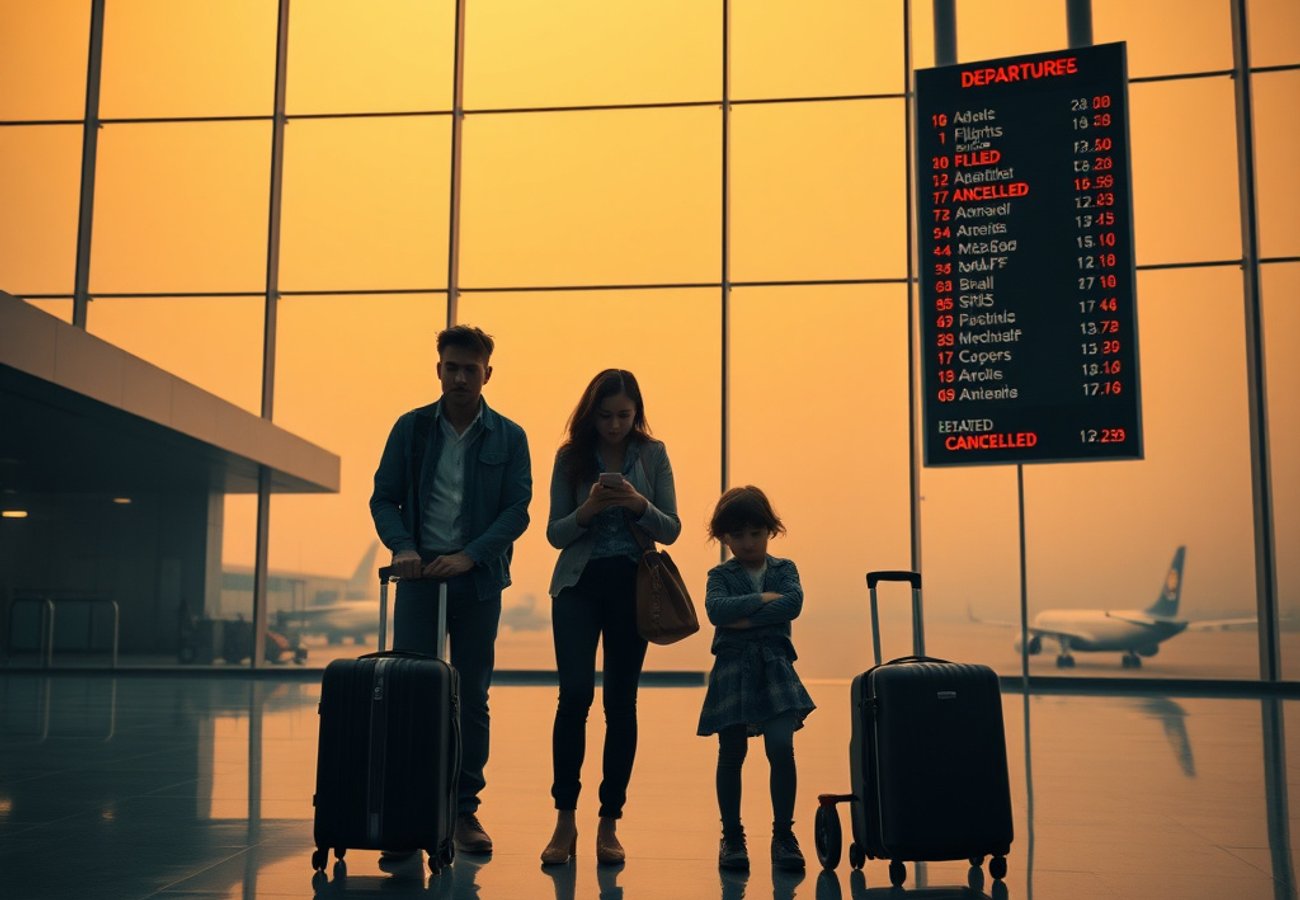
Image generated by AI
Extreme heat, relentless drought, and powerful winds have triggered a systemic wildfire crisis across the Americas, forcing mass evacuations and disrupting international travel corridors.
The 2026 wildfire season has evolved into a critical environmental emergency. From the boreal forests of Canada to the Amazonian basins of Brazil, a combination of low snowpack, dry vegetation, and human activity has created a volatile landscape. Authorities are struggling to contain flames that have transitioned from isolated incidents to regional catastrophes, impacting both rural communities and high-traffic tourism zones.
In North America, the crisis is concentrated in the West and North. The United States is seeing one of its most active seasons in recent history, with Colorado, California, and Montana among the hardest-hit states. Simultaneously, Canada is battling hundreds of active fires, many of which are classified as "out of control."
In South America, satellite monitoring reveals a different but equally dangerous pattern. Brazil and Argentina are recording high hotspot counts, driven by a mix of agricultural burning and extreme weather. This regional instability is placing immense pressure on emergency services and creating significant hazards for the travel and aviation sectors.
Critical Fire Activity and Impact Data 2026
The following data outlines the scale of the crisis across the Western Hemisphere as of July 2026:
| Country | Major 2026 Activity | Primary Affected Areas | Scale / Statistics | Main Risk Factors | Travel & Environmental Impact |
|---|---|---|---|---|---|
| United States | High Activity | CO, MN, UT, MT, CA, AZ, WY | 2,100+ fires; 5,650+ sq miles burned | Heat, drought, low snowpack | Evacuations, smoke pollution, regional disruption |
| Canada | Major Escalation | ON, MB, SK, AB, QC, NWT | 1,747 fires; 166,400 hectares burned (June) | Drought, dry forests | Transborder smoke, air quality alerts, evacuations |
| Brazil | High Detection | Mato Grosso, Tocantins, Bahia, Pará | 412 hotspots (48-hour July window) | Deforestation, agricultural burning | Biodiversity loss, heavy smoke emissions |
| Argentina | Active Hotspots | Patagonia, Southern regions | 76 hotspots (recent monitoring) | Strong winds, dry vegetation | Tourism landscape threats, rural disruption |
| Peru | Seasonal Fires | Amazon and Andean regions | 52 hotspots (July window) | Agricultural burning, dry weather | Biodiversity risks, smoke impacts |
| Venezuela | Vegetation Fires | Forest and savannah regions | 34 hotspots (recent monitoring) | Dry climate, vegetation burning | Environmental degradation |
| Bolivia | Forest/Agri Fires | Eastern lowlands | 30 hotspots (recent monitoring) | Land clearing, dry season | Ecosystem threats |
| Paraguay | Seasonal Fires | Eastern and Western regions | 26 hotspots (recent monitoring) | Agricultural burning | Air quality concerns |
| Colombia | Small-scale Activity | Various forest/agri zones | 13 hotspots (recent monitoring) | Land management, dry conditions | Local environmental impacts |
| Mexico | Seasonal Activity | Northern and Central regions | Satellite-monitored activity | Heatwaves, agricultural burning | Threats to protected areas and rural hubs |
North American Corridor: Smoke and Airspace Risks
The synergy between Canadian and U.S. wildfires has created a transborder air quality crisis. Smoke from Canadian blazes has migrated south, severely impacting visibility and respiratory health in U.S. cities. This has forced health authorities to issue warnings for vulnerable populations and has required airlines and airport operators to monitor visibility closely.
In the U.S., the Forest Service has been forced to deploy a massive combination of aircraft operations and ground crews to manage the 2,100+ reported fires. The disruption extends to the tourism economy, with national parks, hiking trails, and outdoor recreation sites facing temporary closures.
South American Hotspots: The Amazon and Patagonia
The crisis in South America is heavily tied to land-use practices. In Brazil, the 412 hotspots detected in a single 48-hour period in July highlight the volatility of the Amazon and Mato Grosso regions. In Argentina, the fires in Patagonia threaten some of the continent's most prized tourism landscapes, where strong winds accelerate the spread of flames across dry grasslands.
Industry observers note that the reliance on satellite monitoring (such as INPE data) is now the primary method for tracking these fires, as ground-level reporting in remote regions remains limited.
Why This Matters: Industry Implications
The 2026 wildfire crisis represents more than an environmental disaster; it is a systemic risk to the travel and aviation infrastructure of the Americas.
- Aviation Operational Risks: High-altitude smoke and reduced visibility are creating unpredictable flight delays and diversions, particularly in the North American corridor.
- Tourism Devaluation: The closure of National Parks in the U.S. and the degradation of landscapes in Patagonia and the Amazon lead to immediate revenue loss for local hospitality sectors.
- Climate-Driven Volatility: The shift in traditional fire patterns suggests that "fire season" is no longer a predictable window but a year-round risk, requiring a total overhaul of travel insurance and emergency evacuation protocols.
Industry Outlook
Expect a surge in investment toward early warning systems and satellite-integrated disaster preparation. Travel operators will likely begin incorporating "environmental risk" advisories into booking flows for regions like the Western U.S. and the Amazon basin. Furthermore, the aviation industry will likely implement more stringent air-quality monitoring protocols to mitigate the impact of transborder smoke on flight schedules.
The Americas are now operating in a permanent state of high-fire readiness.
Related Travel Guides
Disclaimer
This article is for informational and educational purposes only. It does not constitute legal, financial, or professional advice. While we strive to provide accurate and up-to-date information, travel policies, regulations, and conditions change rapidly. Always verify information with official sources before making travel decisions. Nomad Lawyer makes no representations about the accuracy, reliability, completeness, or suitability of the information provided. Readers should consult qualified professionals for advice specific to their circumstances. The views expressed in this article are those of the author and do not necessarily reflect the views of Nomad Lawyer.
Raushan Kumar
Founder & Lead Developer
Full-stack developer with 11+ years of experience and a passionate traveller. Raushan built Nomad Lawyer from the ground up with a vision to create the best travel and law experience on the web.
Learn more about our team →