
The Rising Fuel Squeeze: How Gas Prices Reshape Road Trips and Tourism Across the Americas 2026
With petrol climbing to US$2.21 per litre in Uruguay and C$2.25 in Vancouver, overland travel across the Americas is transforming toward compact regional loops, shared shuttles, and smarter route planning.

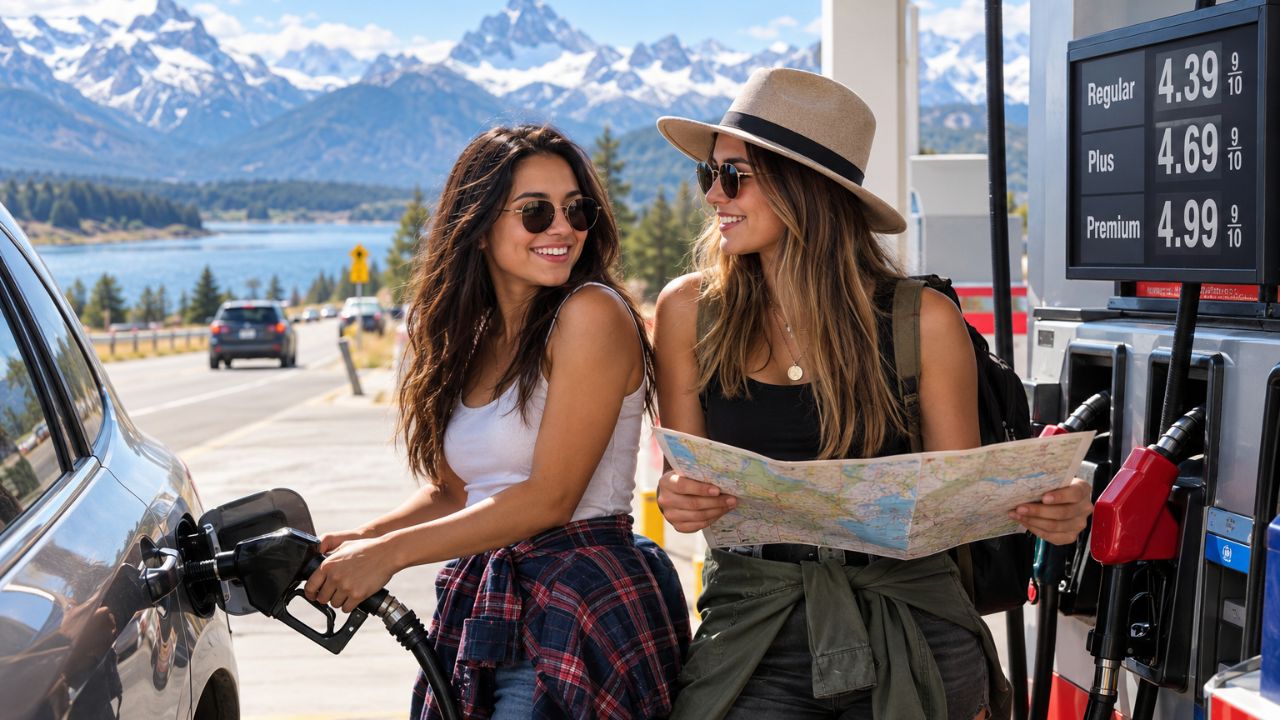
At approximately US$2.21 per litre in Uruguay and C$2.25 per litre during peak spring spikes in Metro Vancouver, overland transit across the Americas has reached a historic pricing inflection point. Rather than grounding travelers at home, these sharp fuel increases are actively restructuring how adventurous road trippers design their itineraries, encouraging compact regional circuits over sprawling multi-thousand-kilometer marathons.
The Continental Price Squeeze: How Gas Costs Alter Driving Routes
Transportation accounts for a massive share of vacation spending whenever travelers step outside centralized transit grids. While international travelers routinely track long-haul flight promotions and hotel room rates, fluctuating pump prices across South, Central, and North America now dictate the viability of classic self-drive circuits.
In Uruguay, where fuel stands at approximately US$2.21 per litre, touring between historic Colonia del Sacramento, capital neighborhoods in Montevideo, and the Atlantic beaches of Punta del Este requires deliberate budgeting. Official guidance from Uruguay Natural highlights how state pricing mechanisms work to cushion domestic consumers against international crude fluctuations, yet foreign visitors renting conventional vehicles face significant expenses when crossing between coastal departments.
Further north, nature tourism hubs face distinct logistical dynamics. In Costa Rica, regional 2026 data shows fuel holding near US$1.56 per litre. Because travelers regularly traverse steep mountain passes between San José, the Arenal Volcano, Monteverde cloud forests, Guanacaste beaches, and remote Pacific surf breaks, every additional detour translates directly into higher ground expenses. According to the Costa Rica Tourism Board, these economic realities have spurred a rise in shared van transfers and organized group shuttles that consolidate highway transit across dispersed bio-corridors.
What Makes Regional Road Corridors Different
The financial impact of fuel prices varies dramatically depending on whether a country relies on independent vehicle rentals or organized group transportation networks.
| Entity / Route | Metrics | Operational Status |
|---|---|---|
| Country | Approx. Fuel Price | Primary Travel Impact Pattern |
| Uruguay | US$2.21 / litre | Coastal driving route consolidation |
| Canada | C$2.25 / litre (Van.) | Shortened campervan loop distances |
| Peru | US$1.68 / litre | Indirect bus and tour transfer fees |
| Chile | US$1.54–US$1.60 / litre | Long-haul Patagonia route planning |
| Costa Rica | US$1.56 / litre | Shift from rental cars to shuttles |
Chile showcases the sheer scale challenge. Stretching over 4,000 kilometers from the arid Atacama Desert to the glacial fjords of Patagonia, driving routes like the Carretera Austral require intense fuel planning. With pump prices averaging US$1.54 to US$1.60 per litre, covering remote southern sectors demands substantial fuel allowances alongside vehicle hire, remote ferry tickets, and municipal tolls.
Conversely, Peru demonstrates how fuel inflation influences tourism indirectly. Self-drive car rental represents a small fraction of visitor activity in Peru, where petrol hovers around US$1.68 per litre. Instead, rising energy expenses ripple into private shuttle operators, scheduled intercity buses, and guided excursion vehicles serving the Sacred Valley, Cusco, and Machu Picchu gateway hubs. Travelers feel the change not at the pump, but inside bundled package rates and regional transit bookings.
In North America, deep-seated road trip traditions face structural recalculations. When Metro Vancouver petrol touched C$2.25 per litre, recreation vehicle (RV) renters and summer road trippers through British Columbia and Alberta reevaluated cross-country expeditions, as analyzed by Destination Canada. In the United States, elevated 2026 gasoline costs have spurred travelers to select closer state and national park loops, opting for hub-and-spoke stays rather than multi-state driving marathons.
Visitor Insider Tips
- Base Yourself in Anchor Hubs: Instead of booking one-night stays across consecutive towns, base yourself in a single central town for 4 to 5 days and explore nearby valleys using local micro-buses or bicycles.
- Book Fixed Shared Shuttles in Central America: Across Costa Rica and Guatemala, shared tourist vans between Arenal, Monteverde, and Manuel Antonio eliminate vehicle rental deposits, high fuel surcharges, and costly insurance packages.
- Compare Train and Long-Distance Coach Passes: In Peru and Chile, licensed intercity buses offer sleeper berths that double as overnight lodging while bypassing volatile private vehicle rental and petrol fees.
- Download Regional Fuel Price Apps: When driving rental cars through North America or Chile, utilize crowdsourced fuel tracking applications to locate municipal co-op stations that charge 10% to 15% less than highway-adjacent pumps.
- Inspect Hybrid Rental Fleets Early: Reserve compact hybrid or electric rental options at major international airport hubs at least three weeks ahead, as low-emission vehicles sell out quickly among budget-conscious travelers.
Cultural and Environmental Context
Rising overland travel costs are accelerating long-overdue sustainable mobility transitions across Latin America and North America. As independent private driving becomes costlier, local transport cooperatives, regional rail initiatives, and electrified bus fleets are gaining passenger volume.
This shift also alters rural community tourism. When travelers replace rapid, drive-through sightseeing with longer stays in compact regions, local guesthouses, independent restaurants, and neighborhood artisan workshops receive more steady, sustained financial benefits than highway service stations and multinational rental conglomerates.
FAQ: Managing Americas Road Trip Costs in 2026
Which country in the Americas currently has the highest petrol costs?
Uruguay ranks among the most expensive fuel markets in South America at approximately US$2.21 per litre, alongside Canadian regional peaks reaching C$2.25 per litre in Metro Vancouver.
Does high fuel pricing make renting a car impractical in Costa Rica?
Renting remains viable for remote surf beaches, but booking shared group shuttles between major hubs like San José, Arenal, and Monteverde often proves more economical for solo travelers and couples.
How do fuel increases affect travel packages in Peru?
Because most visitors rely on guided transit rather than rental cars, fuel price changes filter into regional airport transfers, Sacred Valley tour coaches, and private vehicle excursion rates.
What is the best strategy to cut road trip costs in North America?
Select regional hub-and-spoke itineraries, reserve hybrid rental vehicles, and utilize state park passes to minimize long-distance driving mileage between destinations.
Smart travelers adapt to rising pump prices by slowing down, staying longer in each valley, and letting shared regional transport unlock authentic local connections.
Related Travel Guides
Disclaimer
This article is for informational and educational purposes only. It does not constitute legal, financial, or professional advice. While we strive to provide accurate and up-to-date information, travel policies, regulations, and conditions change rapidly. Always verify information with official sources before making travel decisions. Nomad Lawyer makes no representations about the accuracy, reliability, completeness, or suitability of the information provided. Readers should consult qualified professionals for advice specific to their circumstances. The views expressed in this article are those of the author and do not necessarily reflect the views of Nomad Lawyer.
Naina Thakur
Contributor & Travel Specialist
Travel enthusiast and legal writer covering visa regulations, responsible tourism, and cultural journeys across global destinations.
Learn more about our team →