
American Tourism to Europe Hits New Heights with Record Trips
A record 24 million Americans traveled to Europe in 2025, driving a major tourism boom in Portugal, Greece, Italy, France, and the UK. Explore new statistics.

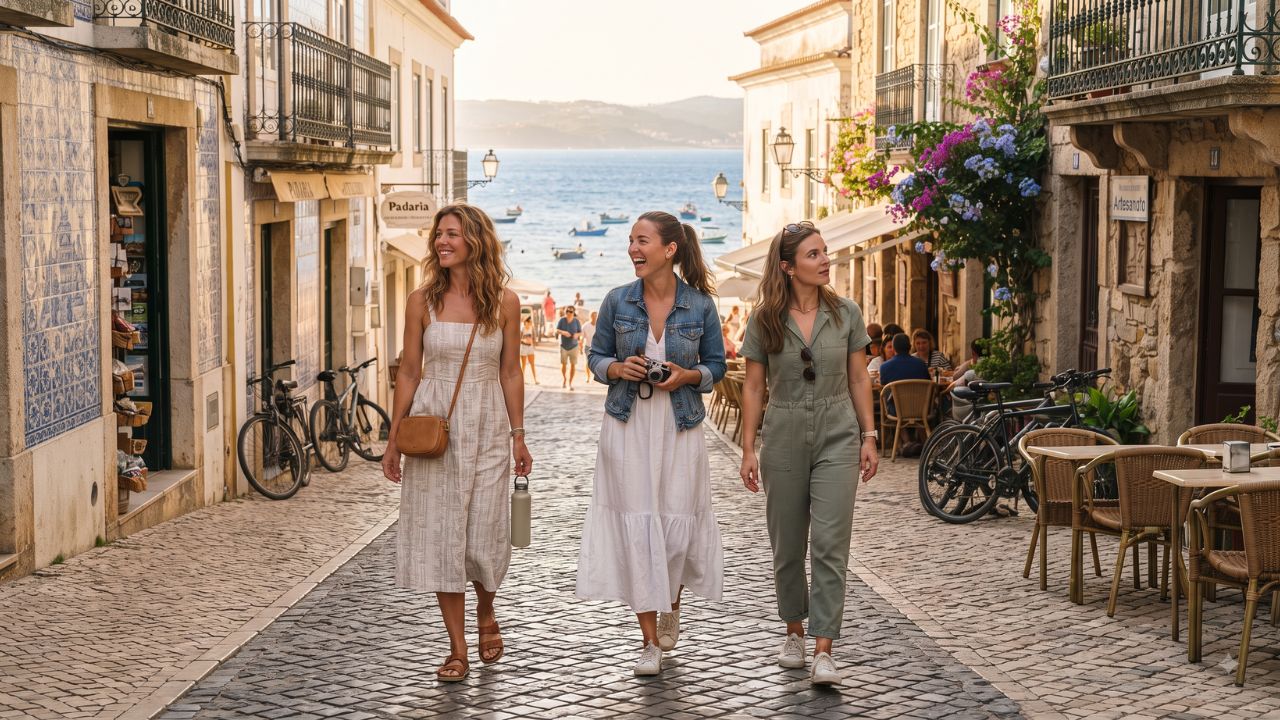
Image generated by AI
A record 24 million American travelers visited Europe in 2025, signaling a massive overseas travel boom that continues to reshape the continent's tourism map in 2026. This surge in international wanderlust is driving unprecedented demand across premier destinations like Portugal, Greece, Italy, France, and the United Kingdom.
Mapping the Transatlantic Wave: The Scale of the Overseas Tourism Boom
Overseas leisure travel is experiencing a historic expansion, with U.S. citizens leading a major international tourism surge. According to recent demographic data, over 56 million U.S. residents traveled internationally in 2025. This figure represents a sharp increase from 53.7 million in 2024, and is nearly double the 32.7 million Americans who traveled overseas in 2015, highlighting a decade-long shift in lifestyle preferences. Europe remains the primary destination for this outbound wave, welcoming a record 24 million American visits in 2025.
This sustained travel demand is reflected in European lodging statistics. According to Eurostat, European Union tourist accommodations recorded 471.1 million overnight stays during the first quarter of 2026, marking a 3.4% increase compared to the same period in 2025. This travel volume was distributed throughout the season, with January accounting for 143.5 million nights, February recording 154.4 million, and March reaching 173.2 million. This consistent demand is supported by passport statistics from the U.S. Department of State, which reported issuing 27,348,416 passports in fiscal 2025—including 4,544,022 passport cards—up from 24,515,786 in fiscal 2024.
As these visitor volumes increase, travelers must navigate new international border control procedures. The European Union's Entry/Exit System (EES), which records passport information, biometric facial images, and fingerprints for non-EU travelers, began its gradual rollout in October 2025. Additionally, the EU plans to introduce the European Travel Information and Authorisation System (ETIAS) for visa-exempt visitors in late 2026. Concurrently, the United Kingdom has implemented separate Electronic Travel Authorisation (ETA) mandates for short-stay U.S. visitors.
Analyses show that this travel boom is driven primarily by repeat travelers rather than first-time flyers. In 2025, only around 6% of Americans traveling to Europe described themselves as first-time international air travelers, suggesting that an experienced group of travelers is returning to the continent. These visitors are increasingly looking beyond major European capitals to explore smaller regional communities.
Sustainable Regional Travel and Protecting Coastal Heritage Communities
The rapid increase of American arrivals has put pressure on popular European destinations, highlighting the value of sustainable travel practices. Portugal and Greece have recorded some of the most significant percentage-growth rates in American arrivals over the past decade. In Portugal, the U.S. market generated approximately 2,366,400 guests and 5,459,600 overnight stays in 2025, representing a 3.2% increase in guest numbers and a 4.9% increase in overnight stays. Americans generated €3.137 billion in Portuguese tourism receipts, an 8% increase from 2024. In Greece, the Bank of Greece reported 1,550,800 American visitors in 2025, contributing to a total of 37.98 million inbound travelers and €23.63 billion in travel receipts.
For the visitor, the real impact of these high travel volumes is the opportunity to distribute tourism spending and support local heritage preservation. Distributing travel schedules into the shoulder seasons and visiting lesser-known regional towns reduces structural pressure on major hubs like Venice, Paris, or Santorini. Destination agencies, such as Turismo de Portugal and Greece's National Tourism Organization (GNTO), advocate for low-impact travel to support community economies. Staying at locally owned guesthouses, dining at independent tavernas or trattorias, and purchasing crafts directly from artisans ensures that tourism revenue benefits regional families. Furthermore, choosing high-speed rail networks, such as the Alfa Pendular in Portugal or the Frecciarossa in Italy, rather than domestic flights, reduces transport carbon emissions and supports regional rail systems.
Destination Specialist Guide: Regional Specialties, Etiquette, and Hidden Gems
To assist travelers in planning their journeys, destination specialists have compiled key visitor data and practical recommendations for Europe's most popular destinations:
| Destination | Key U.S. Visitor Data | Primary Traveler Attractions |
|---|---|---|
| United Kingdom | 5.6 million visits in 2024 | London landmarks, historic countryside, Scotland |
| Italy | 2.1 million arrivals in 2025 | Art history, coastlines, traditional cuisine |
| France | Nearly 5 million visitors in 2024 | Paris architecture, gastronomy, luxury travel |
| Portugal | 2.37 million guests in 2025 | Lisbon and Porto, Atlantic beaches, wine regions |
| Greece | 1.55 million travelers in 2025 | Ancient archaeological sites, island beaches |
-
Portugal Insider Tips:
- Gastronomy: Try authentic pastéis de nata (custard tarts) at local pastelarias.
- Etiquette: Portuguese is the official language. Avoid speaking Spanish to locals, and do not compare Portuguese traditions to Spanish culture.
- Hidden Gem: Visit Tavira in the eastern Algarve for quiet beaches and historic architecture.
-
Greece Insider Tips:
- Gastronomy: Sample traditional choriatiki (Greek salad) dressed with local olive oil and oregano.
- Etiquette: Cover shoulders and knees when visiting historic Orthodox monasteries.
- Hidden Gem: Explore the Pelion peninsula for mountain villages and quiet coves.
-
Italy Insider Tips:
- Gastronomy: Try authentic pesto alla Genovese served with trofie pasta.
- Etiquette: Grate parmesan cheese only over non-seafood dishes; asking for cheese on seafood pasta is considered a culinary error. Order milk-based coffees like cappuccino only in the morning.
- Hidden Gem: Visit the green valley communities of Umbria for historic hill towns.
-
France Insider Tips:
- Gastronomy: Order traditional savory buckwheat galettes at regional creperies.
- Etiquette: Greet shopkeepers with a polite "Bonjour" when entering any business.
- Hidden Gem: Explore the historic villages of the Dordogne valley.
-
United Kingdom Insider Tips:
- Gastronomy: Enjoy a traditional Sunday roast served with gravy and Yorkshire pudding.
- Etiquette: Stand on the right side of escalators on the London Underground, leaving the left side clear for walking.
- Hidden Gem: Stroll along the quiet sandy shores of the Northumberland Coast.
The Future of Transatlantic Travel: Evolving Borders and Steady Demand
The outlook for transatlantic travel indicates that demand will remain strong through 2026. Tourism Economics predicts U.S. visits to Europe will increase by an additional 5% during 2026, supported by high passport ownership rates and expanded flight options. U.S. travelers are staying longer, with average stays reaching 8.6 nights in Italy and 9 nights in Greece.
However, the future of transatlantic travel will be shaped by the implementation of EES and ETIAS. Travelers must prepare for these new border entry procedures, which will modernize security checks at European airports by replacing traditional physical passport stamps with digital scans. These automated systems are designed to improve security and streamline passenger processing, although initial rollout phases may lead to localized airport delays. Booking flights and accommodations early, verifying passport validity at least six months prior to departure, and checking visa requirements will remain essential preparation steps for anyone planning an international trip.
Ultimately, the growth of international tourism offers a unique opportunity for cultural exchange and global understanding. As American travelers explore beyond major cities and venture into rural areas, they help sustain regional economies and preserve historic destinations. By prioritizing sustainable travel practices, supporting local merchants, and respecting regional customs, travelers can enjoy authentic experiences while contributing positively to the communities they visit. This balanced approach to tourism ensures that Europe's historic towns and coastal villages remain vibrant and welcoming for the next generation of global explorers.
Related Travel Guides
Delta Air Lines Launches Austin to Paris Nonstop Flights in 2027
The 10 Best Places to Visit in Portugal, According to Reddit
Disclaimer
This article is for informational and educational purposes only. It does not constitute legal, financial, or professional advice. While we strive to provide accurate and up-to-date information, travel policies, regulations, and conditions change rapidly. Always verify information with official sources before making travel decisions. Nomad Lawyer makes no representations about the accuracy, reliability, completeness, or suitability of the information provided. Readers should consult qualified professionals for advice specific to their circumstances. The views expressed in this article are those of the author and do not necessarily reflect the views of Nomad Lawyer.
Preeti Gunjan
Contributor & Community Manager
A passionate traveller and community builder. Preeti helps grow the Nomad Lawyer community, fostering engagement and bringing the reader experience to life.
Learn more about our team →