
The Venezuela Reconnection: American Airlines Expands Miami Flights to Barcelona, Caracas, and Maracaibo Amid Safety Warnings
American Airlines expands its Venezuela network to 24 weekly flights from Miami, launching direct Embraer 175 services to Barcelona in January 2027 despite a Level 3 travel advisory.

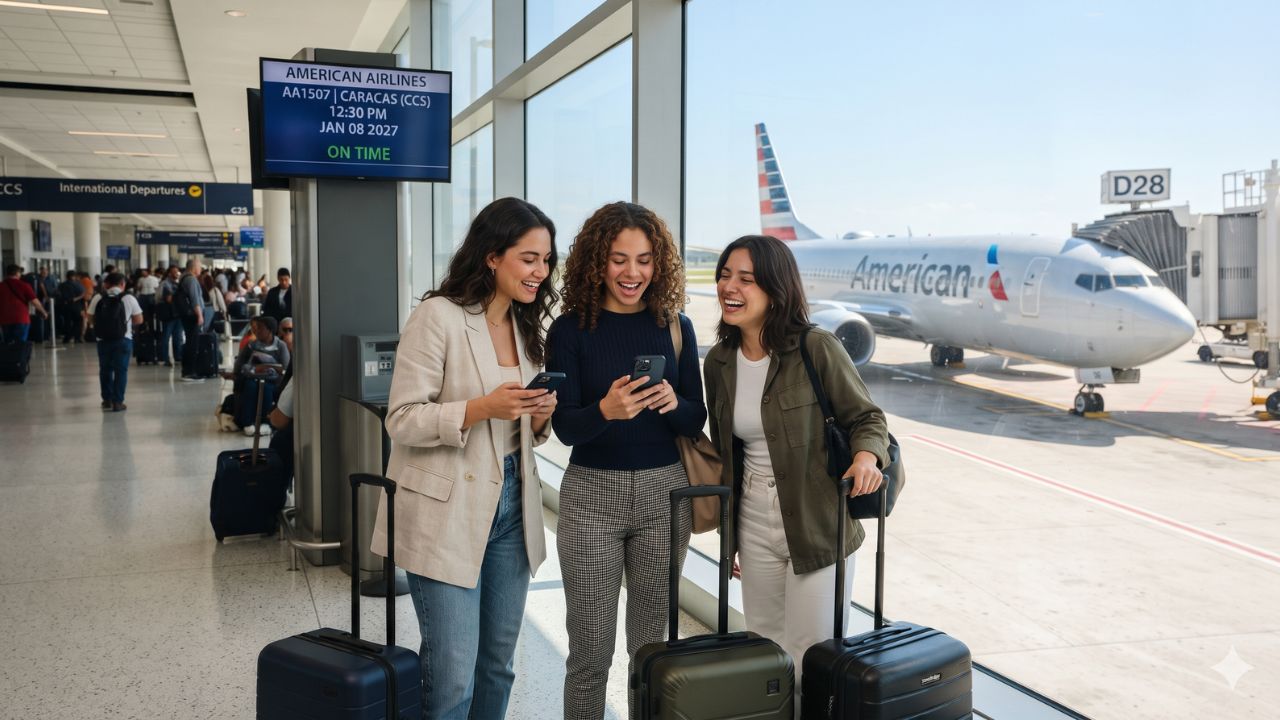
Despite a sweeping Level 3 travel advisory from the US Department of State cautioning American citizens to reconsider all travel due to violent crime, kidnapping, and fragile healthcare infrastructure, American Airlines is staging an ambitious commercial expansion into Venezuela—growing its network to 24 weekly flights and introducing direct service to Barcelona in Anzoátegui state on January 15, 2027. This development marks the carrier’s deepest engagement with South America's northern Caribbean coast since suspending operations in 2019, adding an essential coastal link alongside twice-daily flights to Caracas and daily departures to Maracaibo. For the extensive Venezuelan diaspora concentrated across South Florida, the new thrice-weekly Embraer 175 flights from Miami International Airport establish direct lifelines to eastern industrial centers and coastal communities, highlighting a profound divergence between expanding commercial airline access and persistent diplomatic security warnings.
Tickets went on sale on October 19, 2026, offering direct connectivity between North America and the urban hub of Barcelona, which serves as the primary commercial sister city to the maritime port of Puerto La Cruz. However, as international air routes multiply, travelers face strict immigration requirements, specialized insurance prerequisites, and unique ground realities across an evolving destination.
The Commercial Reconnection: 24 Weekly Flights from Miami Across Three Gateways
American Airlines’ return to Venezuela reflects substantial commercial demand for passenger connectivity between South Florida and major Venezuelan metropolitan regions. Operating out of Miami International Airport, where the airline provides connecting banks to more than 100 North American destinations, the carrier is steadily rebuilding a multi-city Venezuelan footprint.
The flagship operation remains Caracas, the political and financial capital, which receives twice-daily service (14 weekly flights) through Simón Bolívar International Airport at Maiquetía. In western Venezuela, the petroleum hub of Maracaibo receives daily service (7 weekly flights) via La Chinita International Airport. The addition of Barcelona adds 3 weekly round trips, lifting American Airlines' schedule to 24 weekly flights between the United States and Venezuela.
The new Miami–Barcelona route is scheduled to operate on Mondays, Wednesdays, and Fridays utilizing dual-class Embraer 175 regional jets. According to the carrier’s published timetable, northbound flights depart Miami at 10.15 am Eastern Time and touch down at General José Antonio Anzoátegui International Airport in Barcelona at 2.52 pm Eastern Time. Southbound return flights depart Barcelona at 3.32 pm Eastern Time, landing back in Miami at 6.19 pm Eastern Time. This daytime schedule is intentionally calibrated to avoid hazardous late-night road transits from the airport into neighbouring residential sectors.
Travel Advisory Realities: Level 3 Warnings, Border Risks, and the Haiti Precedent
While commercial aircraft bookings are expanding, the safety environment across Venezuela requires rigorous personal scrutiny. Under the updated advisory published on June 27, 2026, by the U.S. Department of State Travel Advisories, Venezuela carries a nationwide Level 3 ("Reconsider Travel") warning citing pervasive violent crime, armed robbery, kidnapping risks, and inadequate medical facilities. Specific border regions, particularly within 80 kilometers of the Colombian frontier in Zulia, Táchira, and Apure states, remain designated as Level 4 ("Do Not Travel") zones.
The coexistence of scheduled commercial flights alongside elevated security advisories reflects the distinct mandates of airlines and diplomatic agencies. Airlines make scheduling decisions based on commercial passenger demand, terminal certifications, and direct aviation security assurances from civil aviation regulators. Diplomatic travel warnings, conversely, evaluate the holistic on-the-ground risks confronting foreign nationals once they step outside airport perimeters. The sudden operational suspensions experienced in Port-au-Prince, Haiti—where armed gunfire directed at passenger airliners forced emergency ground halts and international flight bans—serve as an enduring reminder of how swiftly regional security volatility can disrupt commercial air travel.
Compounding these factors are stringent administrative hurdles. American citizens must obtain a formal consular visa from Venezuelan diplomatic authorities prior to arrival; visas are strictly unavailable at port-of-entry immigration desks. In addition, US consular and emergency medical assistance remains highly constrained outside the capital of Caracas, requiring travelers to register through the Smart Traveler Enrollment Program (STEP) and maintain independent evacuation protocols.
American Airlines Venezuela Network and Flight Operations Matrix
The table below outlines American Airlines' scheduled operations between Miami International Airport and Venezuela, highlighting frequencies, aircraft equipment, operational schedules, and corresponding federal advisory classifications.
| Venezuelan Gateway | Weekly Frequency | Aircraft Type | Flight Timetable (Eastern Time) | Federal Travel Advisory Level |
|---|---|---|---|---|
| Caracas (CCS) | 14 weekly flights (Twice daily) | Boeing 737 / Airbus A321 | Morning and afternoon departures connecting through Miami | Level 3 (Reconsider Travel nationwide) |
| Maracaibo (MAR) | 7 weekly flights (Daily) | Boeing 737-800 | Daily midday service serving western oil basin | Level 3 (Level 4 applies to nearby border zones) |
| Barcelona (BLA) | 3 weekly flights (Mon, Wed, Fri) | Embraer 175 | Departs MIA 10.15 am, Arrives BLA 2.52 pm; Departs BLA 3.32 pm, Arrives MIA 6.19 pm | Level 3 (Reconsider Travel; eastern coastal corridor) |
| Network Scale | 24 total weekly flights | Mixed Fleet | Feeds 100+ North American connection points via Miami | Level 3 Nationwide Baseline |
Visitor Insider Tips: Essential Preparation for Traveling to Venezuela
Traveling into eastern Venezuela requires disciplined logistical preparation, verified ground contacts, and defensive travel habits:
- Secure Consular Visas in Advance: Do not board a flight to Venezuela without an official visa stamp affixed to your passport. Unlike many South American neighbors, Venezuela does not issue tourist cards or visas upon arrival. Airline check-in agents at Miami International will verify your physical visa documentation before printing boarding passes, denying boarding to anyone lacking proper credentials.
- Arrange Airport Transfers Through Trusted Providers: Upon touching down at Barcelona's General José Antonio Anzoátegui International Airport, avoid hailing informal street taxis outside the terminal. Pre-arrange a private, vetted driver through established business contacts or accredited hotels in Lechería or Puerto La Cruz. Strictly avoid intercity highway journeys after dark along the Troncal 9 coastal highway due to inadequate road lighting and security risks.
- Navigate the Cash Dollar Economy: While electronic payments via the local mobile platform (pago móvil) dominate daily retail transactions, foreign credit cards frequently fail on merchant processing terminals. Carry small-denomination US dollar bills ($1, $5, $10, and $20) that are crisp, clean, and free of small tears or ink markings, as local vendors will reject imperfect currency notes.
- Acquire Specialized Medical Evacuation Insurance: Because regional public hospitals and private clinics across Anzoátegui state face acute shortages of basic medical consumables, antibiotics, and surgical supplies, standard travel insurance is inadequate. Confirm that your policy explicitly covers international medical evacuation with dedicated air-ambulance transport back to South Florida or Colombia.
Cultural and Environmental Context: Diaspora Bridges, Coastal Heritage, and Conservation
For hundreds of thousands of Venezuelan families separated across the diaspora, the resumption of direct flights into secondary cities carries deep emotional and cultural significance. Bypassing an exhausting, six-hour road transfer from Caracas to the eastern coast allows overseas family members to reunite directly in their hometowns, infusing vital financial support directly into local hospitality businesses, family-owned restaurants, and neighborhood markets.
Barcelona and its neighboring coastal enclave of Puerto La Cruz boast a rich cultural heritage. Founded in the 17th century, Barcelona preserves colonial architectural landmarks such as the Cathedral of San Cristóbal and the historic Casa Fuerte. Just offshore lie the turquoise waters and dramatic limestone islands of Mochima National Park, managed under the stewardship of INPARQUES Venezuela. Mochima's marine sanctuaries shelter resident dolphin pods, coral reef formations, and secluded mangrove lagoons.
While mass leisure tourism remains constrained by broader economic and infrastructure challenges, the return of commercial aviation provides essential mobility for technical specialists, humanitarian personnel, and diaspora travelers. Supporting locally owned boat captains in Mochima and dining at traditional seaside fish markets in Lechería channels foreign currency directly into community conservation, demonstrating that sustainable engagement begins with respecting local community realities.
FAQ: Flying American Airlines to Venezuela 2026–2027
Can American citizens enter Venezuela without a pre-approved visa?
No. American travelers must obtain a physical Venezuelan visa through a diplomatic consulate prior to departure. Visas are not issued at airports, and passengers lacking visas will be denied boarding in Miami.
What is the flight schedule for American Airlines' new Miami to Barcelona route?
Starting January 15, 2027, flights operate Mondays, Wednesdays, and Fridays on Embraer 175 aircraft, departing Miami at 10.15 am ET and departing Barcelona on the return leg at 3.32 pm ET.
Why does the US Department of State maintain a Level 3 advisory for Venezuela?
The Level 3 advisory cautions travelers due to violent crime, kidnapping threats, inadequate medical facilities, and limited US consular support, with select border regions classified as Level 4 ("Do Not Travel").
Are direct flights available from Miami to other Venezuelan cities?
Yes. In addition to Barcelona, American Airlines operates twice-daily flights from Miami to Caracas (14 weekly) and daily flights to Maracaibo (7 weekly), totaling 24 weekly flights.
Balancing commercial convenience with vigilant ground preparation remains the golden rule for travelers connecting with Venezuela's changing skies.
Related Travel Guides
- Oceania Skies Reimagined: Air New Zealand, Qantas, Jetstar, and Pacific Carriers Launch Direct Global Routes
- Mobility Rights Under Scrutiny: American Airlines Wheelchair Damage Rekindles Federal Pressure
- The Billion-Dollar Metamorphosis: Southwest Posts Record $8.42B Revenue and Reinvents Rapid Rewards
Disclaimer
This article is for informational and educational purposes only. It does not constitute legal, financial, or professional advice. While we strive to provide accurate and up-to-date information, travel policies, regulations, and conditions change rapidly. Always verify information with official sources before making travel decisions. Nomad Lawyer makes no representations about the accuracy, reliability, completeness, or suitability of the information provided. Readers should consult qualified professionals for advice specific to their circumstances. The views expressed in this article are those of the author and do not necessarily reflect the views of Nomad Lawyer.
Naina Thakur
Contributor & Travel Specialist
Travel enthusiast and legal writer covering visa regulations, responsible tourism, and cultural journeys across global destinations.
Learn more about our team →